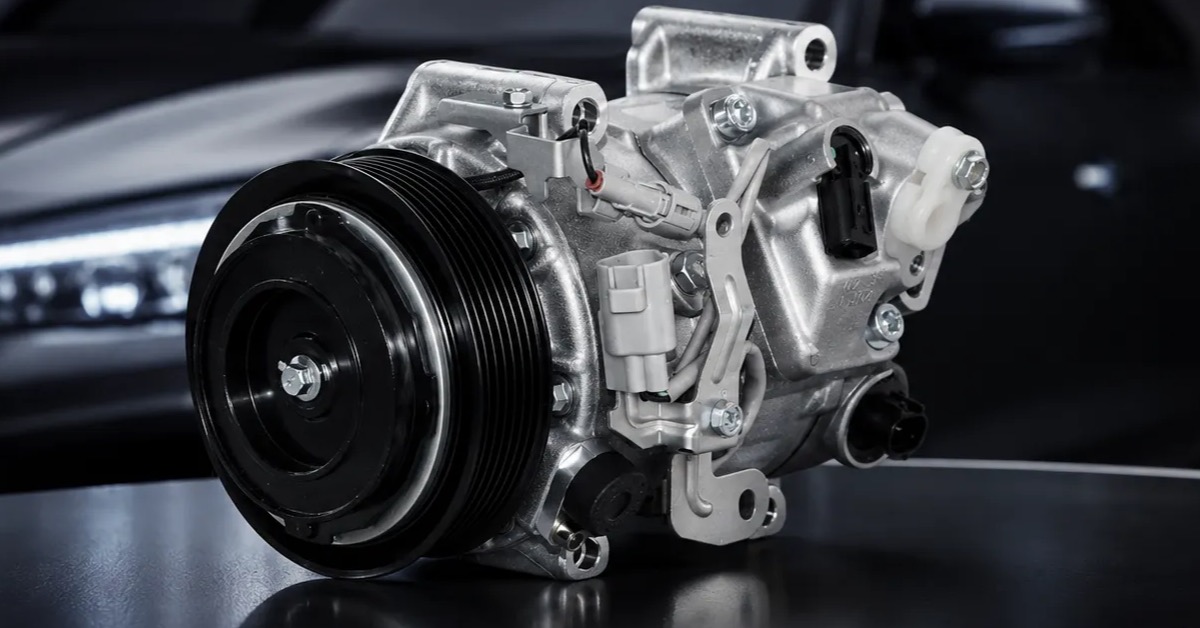
An automotive AC compressor warranty supplier should do more than approve or reject claims. The supplier needs a repeatable system for receiving field evidence, protecting returned parts, separating installation and system causes from compressor causes, reporting findings, containing affected stock, and feeding verified lessons back into production. Buyers should assess that complete loop before agreeing warranty terms.
For buyers sourcing through ZUA Auto Parts, this framework connects the technical question to a controlled product inquiry; exact fitment and quoted specifications remain SKU-specific.
This guide is written for importers, distributors, private-label brands, service networks, and procurement teams. It does not propose a universal warranty period or reimbursement rule. Those commercial terms depend on the program, market, application, responsibilities, and signed agreement.
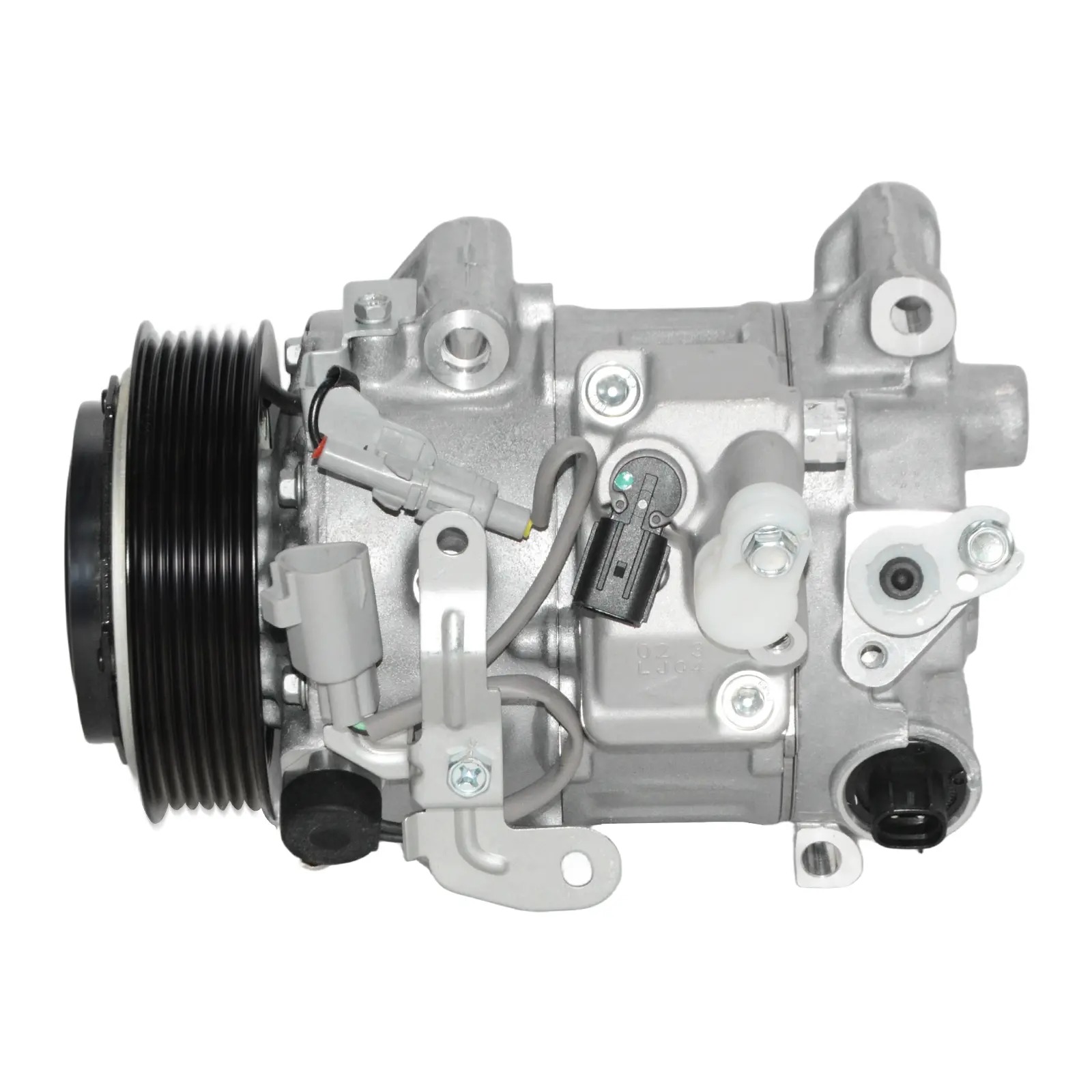
Start with the claim journey, not the claim form
A claim moves through several owners: installer, retailer, distributor, importer, supplier quality team, laboratory, production team, and sometimes a component source. Delays and disputes usually occur at the handoffs. Map who records the first symptom, who authorizes removal, who preserves the oil and ports, who pays freight, who decides disposition, and who communicates the final result.
The map should cover both individual claims and possible batch events. A single noisy unit may need technical analysis; several similar failures from one date range may also require inventory containment and shipment review.
Before launch, run a tabletop exercise using one realistic case. Follow the information from workshop to final report and note every approval, translation, shipment, and data handoff. This reveals whether the automotive AC compressor warranty supplier can support the buyer's actual countries, service channels, and working hours rather than only a factory-side process.
Build a minimum evidence package
| Evidence | Why it matters | Common gap |
|---|---|---|
| Part and lot identity | Links the unit to production history | Label discarded or unreadable |
| Vehicle and application | Confirms intended fitment | Incomplete VIN or engine data |
| Installation record | Shows parts replaced and procedure | No record of flushing or oil balance |
| System measurements | Provides operating context | Only “not cooling” is reported |
| Photos and video | Preserves condition before removal | Images taken after cleaning |
| Returned unit | Allows confirmation and teardown | Ports left open during transport |
| Claim chronology | Shows installation, symptom, and removal dates | Events reconstructed from memory |
Keep the intake short enough for service partners to use, but make required fields explicit. Conditional questions can appear only when relevant: a clutch concern needs electrical and air-gap evidence, while a variable-control concern needs command and system-pressure context.
Preserve the returned compressor as evidence
Do not drain, wash, open, energize, or repeatedly rotate a returned unit before the preservation decision. Cap the ports, retain recovered oil in a clean labelled container when feasible, photograph the exterior and connectors, identify shipping orientation, and prevent loose debris from entering. Record anything already changed by the workshop.
Preservation is especially important when the allegation involves contamination, lubrication, seizure, leakage, noise, clutch damage, or control response. Cleaning may make the unit easier to handle but can remove the evidence needed to distinguish causes.
Use triage to choose the next action
The first technical review should confirm identity, fitment, visible damage, port condition, pulley or clutch movement, connector condition, evidence completeness, and whether the complaint can be reproduced safely. Triage then routes the claim to documentation review, non-destructive testing, controlled performance testing, teardown, supplier escalation, or a request for missing information.
A capable automotive AC compressor warranty supplier should explain which tests are appropriate for each symptom. Running every returned part through one generic sequence wastes time and may damage evidence.
Separate symptom, failure mode, and root cause
“No cooling” is a symptom, not a compressor diagnosis. Low refrigerant charge, restriction, airflow, fan control, electrical supply, control commands, incorrect oil, contamination, installation error, system flushing, or another HVAC component may produce similar customer complaints. Conversely, a compressor can pass a basic rotation check yet fail under a defined operating condition.
The report should move through three levels: what the customer observed, what the laboratory confirmed, and what mechanism explains the confirmed condition. When the evidence cannot establish a cause, say “inconclusive” and identify what is missing. An unsupported certainty is less useful than a transparent limitation.
Design the analysis around the complaint
For leakage complaints
Inspect ports, seals, housing joints, shaft area, plugs, control-valve interfaces, impact marks, and contamination. Use a controlled leak method appropriate to the design and preserve fixture, conditions, units, limit, and result.
For noise or vibration complaints
Document mounting and operating conditions, then relate sound or vibration to speed, pressure, control state, pulley, bearing, belt, internal mechanism, or installation. A listening opinion alone cannot locate the source.
For seizure or internal damage
Preserve lubricant and debris, inspect oil distribution and system history, and distinguish initial compressor damage from debris that entered from the circuit. Teardown photos should show the sequence, not only the final pile of parts.
For clutch or control complaints
Record voltage, current, resistance, connector condition, command signal, protection events, gap or mechanical condition where applicable, and the system state. Avoid replacing a control component without verifying the vehicle-side input.
Agree how decisions will be coded
A decision vocabulary prevents each reviewer from inventing a new conclusion. Useful categories may include confirmed product cause, confirmed external cause, no fault found under defined conditions, evidence insufficient, transport damage, wrong application, and analysis pending. Each category needs a definition, minimum evidence, approval authority, and commercial treatment agreed by the parties.
Do not hide “no fault found” inside a broad rejection total. It can signal intermittent behavior, weak test reproduction, incomplete workshop data, or a mismatch between bench and vehicle conditions.
Turn one claim into a corrective-action loop
When a product cause is confirmed, define immediate containment, affected scope, root-cause method, corrective action, validation, effective production point, and monitoring. Trace the returned unit to materials, equipment, line, operator or automatic station, inspection records, and related shipments as available.
Guangzhou Berlin Auto Parts Manufacturing Co., Ltd., established in 2006, describes compressor production controls including automatic cleaning, helium leak detection, full-performance testing, abnormal-product isolation, and laboratory capability for performance, durability, vibration, noise, and after-sales analysis. Buyers should request records relevant to the claimed model rather than treating general capability as proof of a specific cause.
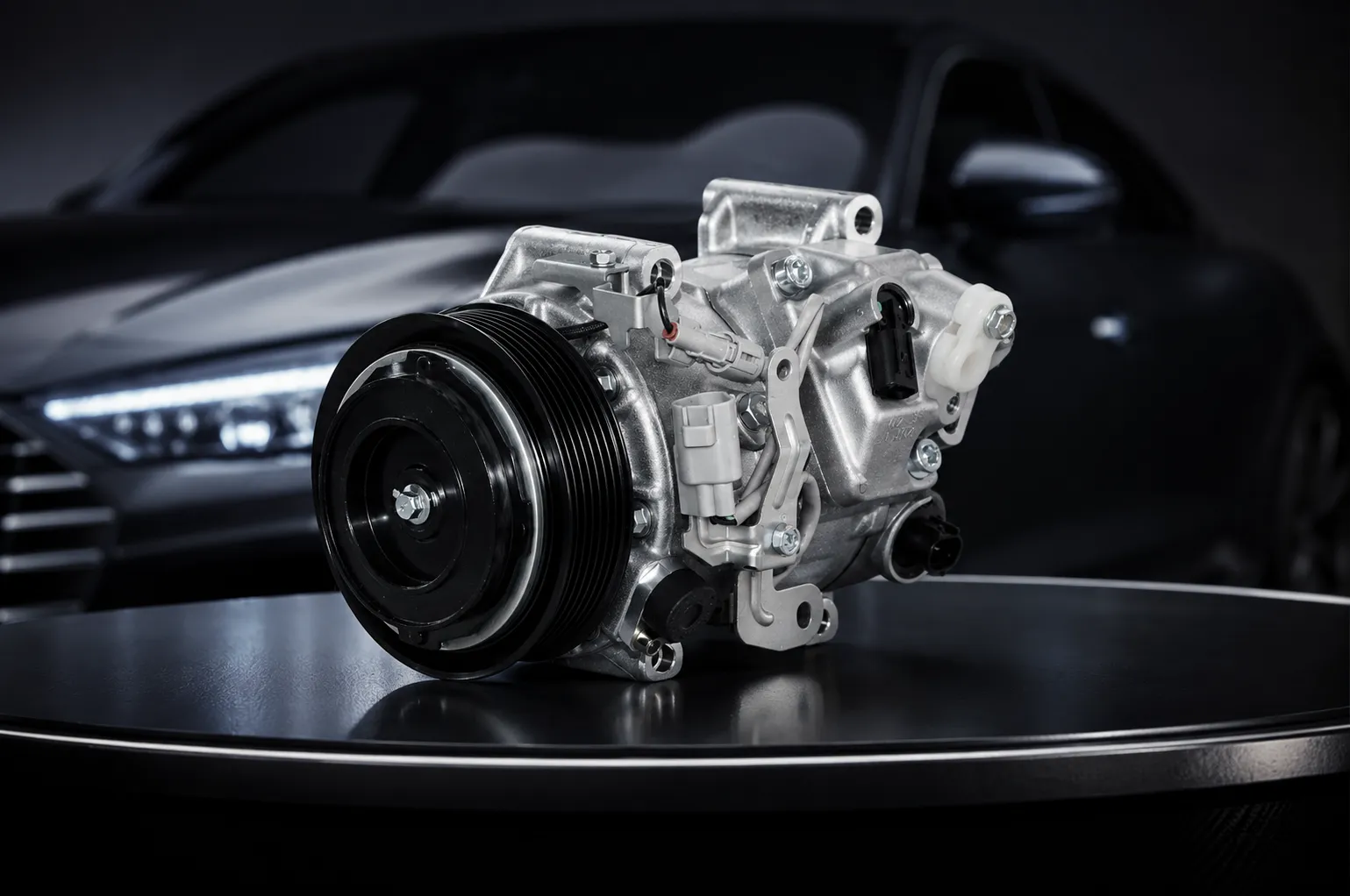
Review the target design on ZUA's compressor product page, then identify the exact part number and revision in the claim agreement. The automotive AC compressor warranty supplier should not transfer a conclusion from a similar platform without documented technical justification.
Measure warranty service without rewarding the wrong behavior
Track acknowledgement time, evidence-completeness rate, analysis lead time, repeat-claim rate, confirmed failure modes, inconclusive rate, containment effectiveness, overdue corrective actions, and feedback completion. Read the measures together. A very low approval rate is not automatically good if the supplier routinely declares insufficient evidence without helping the network collect it.
Likewise, a fast closure is not useful when the root cause remains open. The best dashboard distinguishes commercial closure, technical closure, and verified prevention.
Write the warranty agreement around responsibilities
Define covered products and markets, start point, duration, exclusions, evidence, return authorization, freight, inspection rights, analysis timing, decision authority, labor or consequential costs, credit method, confidentiality, retention, dispute escalation, recurring-failure response, and change notification. Translate technical terms into examples for service partners.
Ask the automotive AC compressor warranty supplier to show how the agreement operates in a real scenario. A clause that cannot be followed by the people receiving claims will generate inconsistent decisions.
Audit the feedback path to manufacturing
Choose several closed cases and trace them backward and forward. Can the supplier find the original production record? Was affected stock reviewed? Did the cause change a work instruction, fixture, supplier control, training step, test program, or design? Was the action verified after implementation?
The IATF 16949 overview explains the automotive quality-management context. Certification is useful evidence of a system, while claim-level records show whether that system works for the product you buy.
Frequently asked questions
What should be submitted with a compressor warranty claim?
Submit part and lot identity, vehicle application, installation and repair history, system measurements, photos, symptom chronology, and the preserved returned unit when requested.
Can “no cooling” prove compressor failure?
No. It is a customer symptom that may involve refrigerant charge, airflow, controls, restrictions, installation, or several HVAC components.
Should the workshop open a failed compressor?
Usually not before the preservation and authorization decision. Opening or cleaning may remove oil, debris, leak, wear, or assembly evidence.
What does no fault found mean?
It means the reported condition was not confirmed under the stated method and conditions. The report should state limitations and missing evidence.
Who sets the warranty period?
The buyer and supplier set it in the commercial agreement based on program scope, market, risk, responsibilities, and applicable obligations.
How should repeated claims be handled?
Group common symptoms, applications, lots, and causes; review inventory and shipments; contain risk; and launch structured corrective action when evidence supports it.
Does ZUA offer after-sales analysis?
ZUA describes after-sales analysis within its compressor laboratory capability. Buyers should confirm the process, evidence requirements, and terms for their program.
How can a buyer discuss a warranty program?
Send target compressor references, markets, expected volumes, service-network flow, evidence needs, and proposed terms through the ZUA contact page.
Choose an automotive AC compressor warranty supplier by evidence
A dependable automotive AC compressor warranty supplier connects field intake, returned-part preservation, symptom-based testing, transparent decisions, production traceability, containment, corrective action, and network feedback. Review sample cases and the operating workflow before judging support by a warranty label alone.