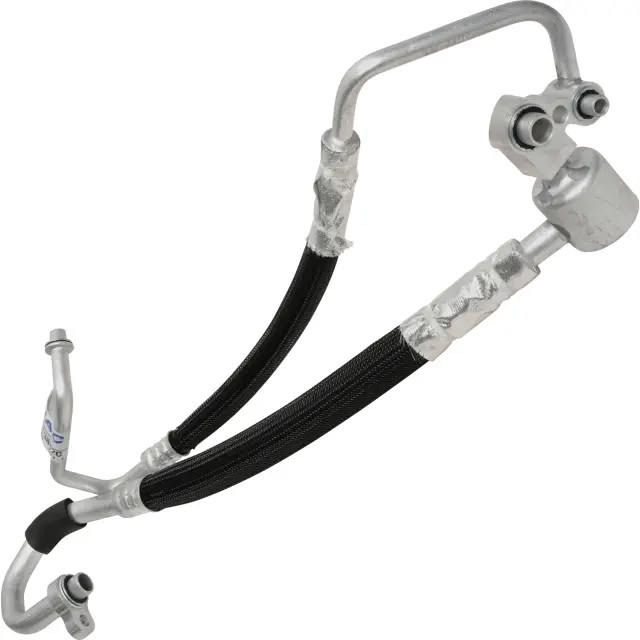
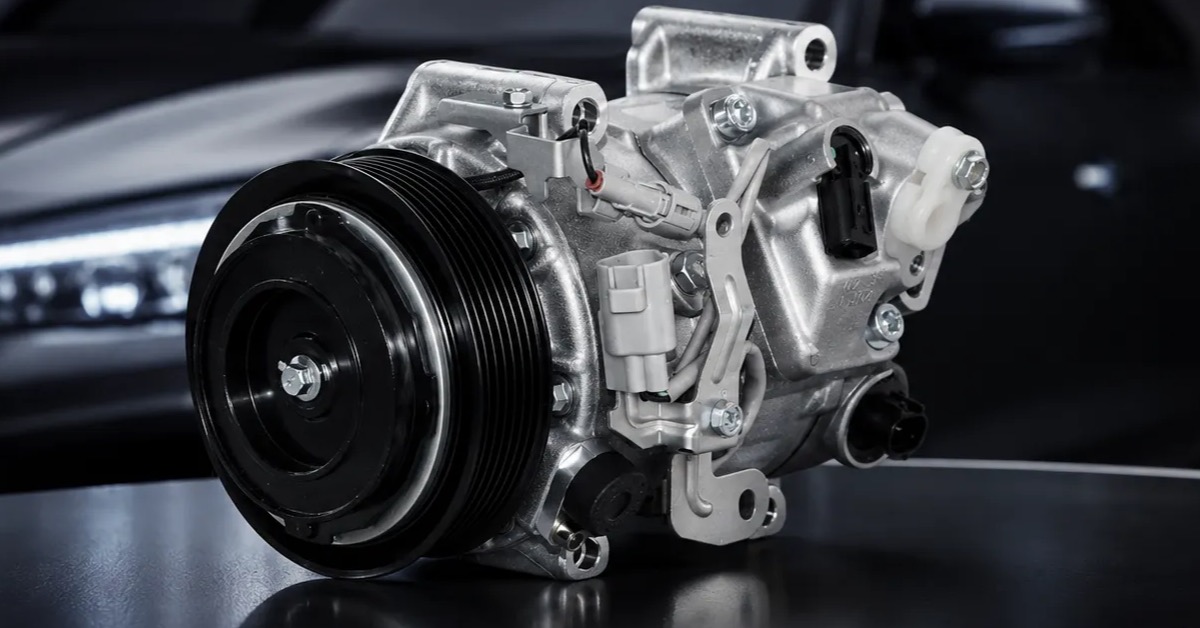
A dual-port AC accumulator filter drier should be managed as a moisture-sensitive service component with a defined flow path, not as a generic metal canister. Before approving a replacement, identify inlet and outlet, port size and angle, mounting bracket, desiccant configuration, pressure and temperature assumptions, seals, protective caps, and the time between opening the package and connecting the part. These details determine whether the accumulator protects the compressor and controls refrigerant flow as intended.
For buyers sourcing through ZUA Auto Parts, this framework connects the technical question to a controlled product inquiry; exact fitment and quoted specifications remain SKU-specific.
The service sequence below helps distributors and workshops turn a replacement into a repeatable job. It also gives a supplier a clear evidence package when a part is requested for a new application.
Start with the circuit role
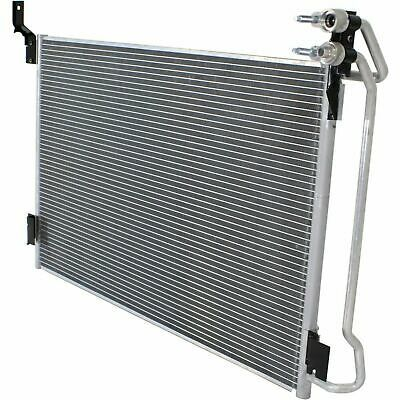
Confirm whether the vehicle uses an accumulator on the low-pressure side, a receiver-drier on the high-pressure side, or a configuration that combines filtration and storage differently. The word “drier” describes moisture control, while “accumulator” describes the system role and location. A visually similar canister can be wrong for the circuit.
Record compressor type, evaporator connection, expansion device, refrigerant, charge specification, and any service bulletin that changes the original configuration. The part number and OE reference should support the application record but should not replace it.
Make the two-port identity unambiguous
| Identity item | What to record | Service risk if missing |
|---|---|---|
| Inlet | Port role, size, angle, seal, cap | Reversed flow or line mismatch |
| Outlet | Port role, outlet tube, screen or pickup | Liquid carryover or restriction |
| Canister | Diameter, length, bracket, seam and label | Interference or wrong capacity |
| Desiccant | Type, retained position, moisture protection | Reduced protection after exposure |
| Service kit | O-rings, clips, caps, instructions | Leakage or incomplete installation |
Use arrows on the drawing and on the packaging insert. Do not rely on the mechanic remembering which line came from which side after a long repair. The arrow is also useful for receiving and warehouse checks.
For cross-border listings, add measurement units, reference temperature, and the view used for every dimension. A metric value without a datum can be read differently by a buyer working from an inch-based drawing. Keep the original photograph, marked-up drawing, and revision date in the same product record so a replacement question can be answered without recreating the inspection.
Protect the desiccant from the clock
Desiccant begins doing its job when the component is exposed to ambient moisture. Define the sealed-package condition, storage requirements, shelf-life policy, and maximum open time before installation. If the buyer has a different warehouse climate, ask the supplier for the recommended handling window instead of copying a generic statement.
Receiving teams should inspect the outer carton, caps, foil or sealed bag, part label, and any evidence of condensation or puncture. Keep the part sealed until the circuit is ready. A correct accumulator that has sat open beside a humid workshop may not provide the intended moisture margin.
Make the dual-port AC accumulator filter drier a service identity
The phrase dual-port AC accumulator filter drier should identify a specific circuit role, not simply a canister shape. Record the low-side location, inlet and outlet arrows, pickup or screen arrangement, bracket, sensor provision, and seal kit. Add the controlled part number to the carton, moisture barrier, and service sheet so the component remains traceable after it leaves the warehouse.
If the same body is used for multiple applications, keep the application, port angle, bracket, and desiccant record separate. A dual-port AC accumulator filter drier that shares a canister but changes an interface should receive a distinct SKU or a clearly controlled variant. This protects fitment data and makes a later complaint easier to investigate.
Design the replacement job as a sequence
- Recover refrigerant using the approved vehicle procedure and record the starting condition.
- Photograph line routing, port orientation, bracket position, and old-part label before removal.
- Cap open hoses and the replacement ports immediately; keep dirt and moisture out of the circuit.
- Compare the new part to the old part and drawing before transferring brackets or sensors.
- Install new approved seals, connect lines without side loading, and secure the bracket.
- Evacuate, leak check, charge, and record pressures and temperatures under defined conditions.
The sequence makes responsibility visible. If the result is poor, the team can inspect whether the accumulator identity, circuit cleanliness, evacuation, charge, or airflow was the actual variable.
For a fleet program, print the sequence on a service card and leave a field for the technician's refrigerant recovery, vacuum, leak, and charge observations. The card should identify the vehicle and replacement SKU, while the detailed report can hold instrument readings and photographs. That balance keeps the workshop workflow short without losing evidence needed for a supplier review.
Separate accumulator behavior from compressor symptoms
A restricted or moisture-loaded accumulator can contribute to poor cooling, unusual pressure balance, or compressor noise, but these symptoms are not unique to the part. Ask for pressure readings, evaporator temperature, compressor command, condenser airflow, charge amount, and evidence of contamination. If the old part contains metal or dark oil, inspect the rest of the circuit before installing a replacement.
Do not promise that a new filter drier will cure every cooling complaint. The useful customer answer identifies what the accumulator can influence and what must be checked elsewhere.
When a distributor asks for a dual-port AC accumulator filter drier, ask whether the request follows a compressor replacement, a moisture event, a leak repair, or routine service. The reason for replacement changes the inspection and may require a circuit flush, a new seal set, or a contamination review before the part is installed.
Set a packaging and warehouse control
Use port caps that stay secure without damaging the sealing face. Support the bracket and tube so the canister cannot become a lever inside the carton. Separate mixed SKUs, show the controlled part number and revision, and keep the moisture barrier intact until the dispatch or installation window.
For a distributor, photograph a carton sample and a fully packed pallet. Note carton orientation, stack limit, label location, and whether the service kit is inside or outside the sealed moisture barrier. These details reduce wrong-part and exposure claims that are difficult to investigate later.
Ask for evidence that matches the component
Request dimensional inspection, port and bracket checks, leak evidence, desiccant or moisture-control scope, label traceability, and packaging inspection. The SAE J639 reference supplies general vehicle refrigerant-cycle safety context, but it does not certify a specific accumulator or define your replacement acceptance plan.
Agree on which tests are supplier-owned and which belong to the vehicle or service network. Keep the sample, drawing, label, test result, and packaging photographs linked by the same internal SKU.
Use complaint evidence that can be compared
For a leak or cooling complaint, capture the vehicle, OE and replacement part number, installation date, refrigerant and charge, port photos, seal condition, pressure readings, ambient, airflow state, and a description of the symptom. If the part is returned, cap it and preserve the label and packaging.
This record helps separate a wrong application, installation damage, moisture exposure, circuit contamination, charge error, and a product deviation. It also gives ZUA a useful starting point when the issue requires technical review.
Use ZUA's accumulator category for the first comparison
ZUA lists accumulators and filter driers alongside compressors, condensers, evaporators, and cooling fan assemblies. Confirm the exact two-port configuration, vehicle application, desiccant scope, included seals, packaging, and evidence for each quoted SKU.
Send the old-part label, port photographs, line routing, vehicle information, refrigerant, service requirement, sample quantity, and forecast through the ZUA contact page. The full product range and company profile provide broader context for a supply program.
Frequently asked questions
Is a dual-port accumulator the same as a receiver-drier?
Not necessarily. Confirm the circuit location, flow role, internal arrangement, and application before substituting one for the other.
Why do the two ports need arrows?
Arrows reduce reversed-flow errors during receiving, storage, and installation, especially when the canister is rotated in the vehicle.
When should the protective caps be removed?
Remove them only when the hoses and tools are ready so the desiccant and internal passages have minimal moisture exposure.
What should a replacement kit include?
State whether it includes O-rings, clips, caps, brackets, labels, and service instructions.
Can an accumulator cure a compressor noise complaint?
It may address a restriction or moisture issue, but noise also requires checks of compressor condition, oil, charge, and circuit contamination.
What warehouse condition matters most?
Keep the sealed moisture barrier intact, control temperature and humidity as specified, and rotate stock by the agreed shelf-life rule.
What photos help with a leak claim?
Photograph the part label, ports, seals, bracket, line connection, carton, and any damage before cleaning or disassembly.
Should a new accumulator be installed after every compressor failure?
Follow the vehicle or system repair requirement and inspect the circuit for contamination before deciding.
How can distributors separate similar SKUs?
Use port map, bracket, canister dimensions, OE references, vehicle break points, and packaging revision as controlled fields.
Where can buyers request ZUA accumulator data?
Use the ZUA contact page with the vehicle, old-part identity, photos, refrigerant, seals, service route, and forecast.
Make moisture control part of the product identity
A dual-port AC accumulator filter drier is ready for a replacement program when its circuit role, port map, desiccant protection, service sequence, packaging, and complaint evidence are connected. That record helps the warehouse protect the part, helps the technician install it correctly, and gives the supplier useful evidence when the result needs investigation.