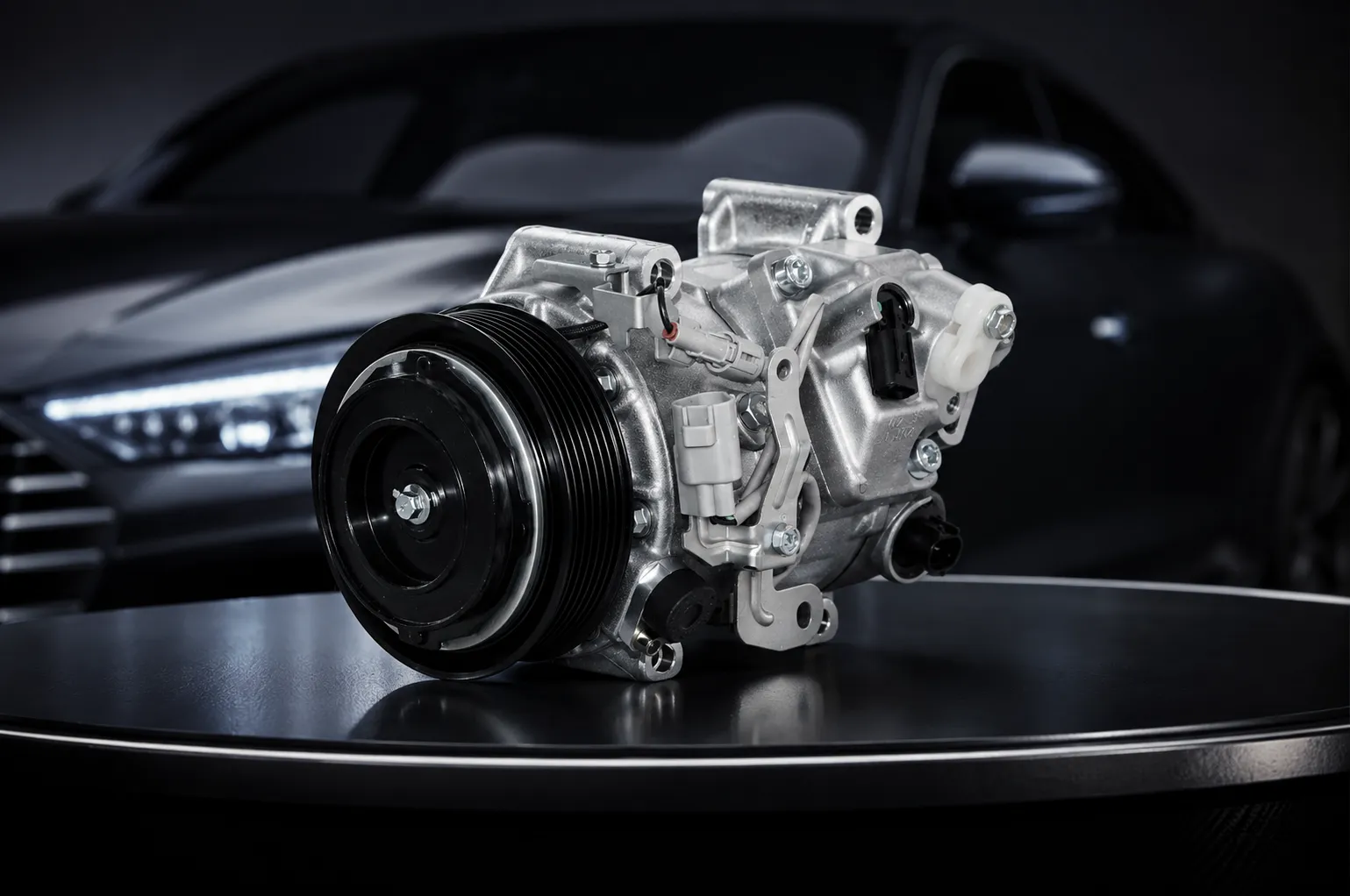
A variable vs fixed displacement AC compressor decision should begin with the vehicle's HVAC architecture, not with price or visual similarity. Both designs compress refrigerant, but they regulate capacity differently and may require different controls, interfaces, application data, and validation. Selecting the wrong type can create fitment, control, belt-drive, cooling, noise, or service problems even when the housing looks compatible.
For a ZUA Auto Parts inquiry, use this framework to separate confirmed product data from buyer-owned validation and open questions before approving a sample or order.
This guide explains the sourcing differences among fixed-displacement, internally controlled variable-displacement, and externally controlled variable-displacement compressors. It is written for distributors, importers, system integrators, private-label brands, and OEM teams evaluating a compressor platform or replacement line.
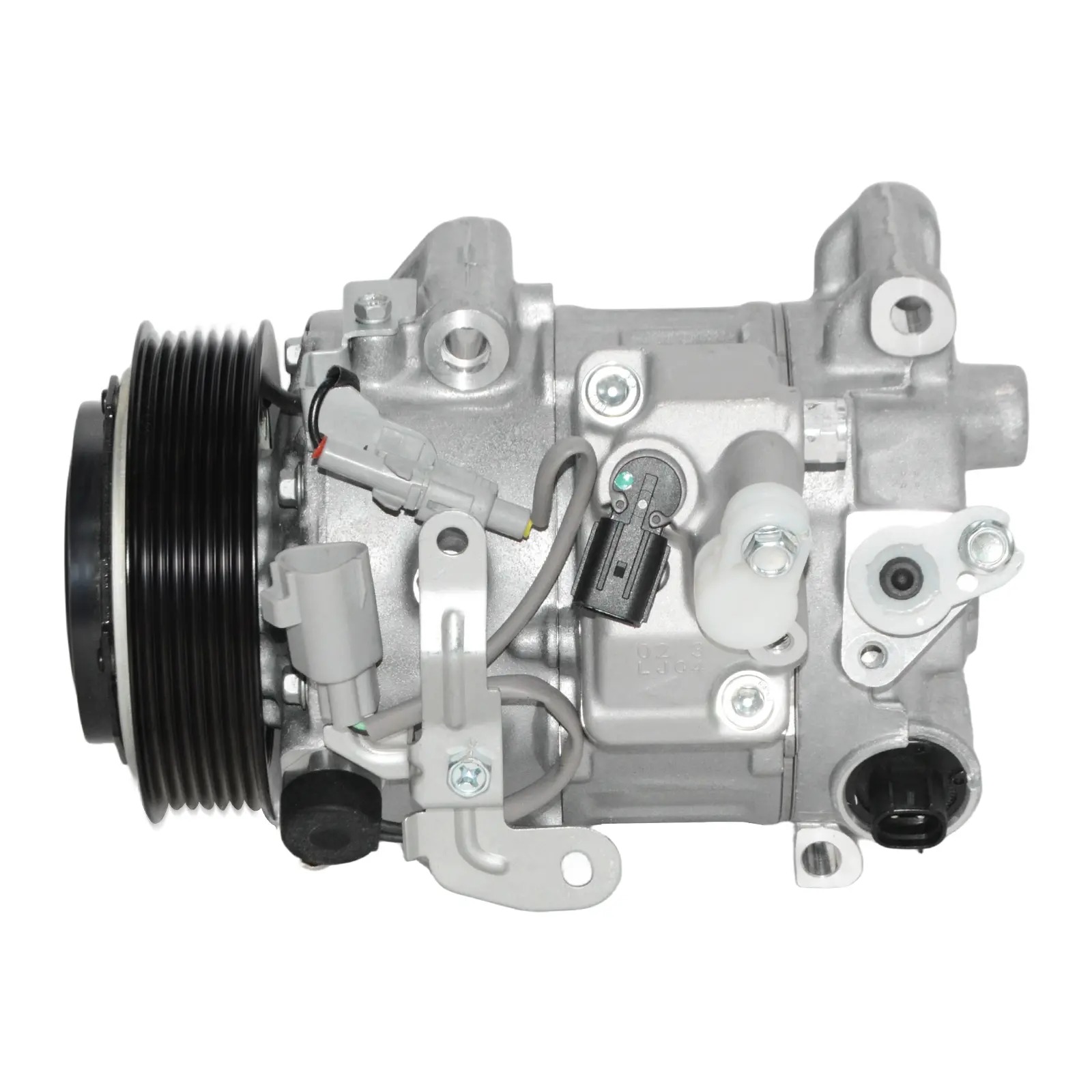
Variable vs fixed displacement AC compressor: quick comparison
| Topic | Fixed displacement | Variable displacement |
|---|---|---|
| Basic delivery | Nominal displacement is mechanically fixed | Effective displacement changes within the design range |
| Capacity regulation | System typically manages operation through cycling or system strategy | Compressor adjusts output through internal or external control |
| Control data | Clutch and system requirements remain important | Control valve, signal, connector, and vehicle strategy may be critical |
| Replacement risk | Pulley, mount, ports, clutch, displacement, refrigerant, and oil | All fixed-type risks plus control compatibility |
| Best sourcing method | Match the exact application and validated specification | Match the exact application, control method, and validated specification |
This table is a sourcing overview, not a vehicle compatibility ruling. The correct compressor must be confirmed from controlled application information.
What is a fixed-displacement AC compressor?
A fixed-displacement compressor has a set geometric displacement for its rotating mechanism. The HVAC system controls cooling output through the overall system strategy, which may include clutch cycling or other measures depending on the vehicle design. Buyers should not interpret "fixed" as simple or universally interchangeable.
Critical sourcing data include compressor family, nominal displacement, mounting pattern, pulley diameter and groove count, offset, rotation, clutch and voltage requirements, suction and discharge ports, connector details, refrigerant, lubricant, and vehicle application. ZUA lists BFC fixed-displacement compressors from 110 to 200 cc and TM fixed-displacement platforms from 80 to 320 cc. Exact availability and matching require model confirmation.
What is a variable-displacement AC compressor?
A variable-displacement compressor changes effective delivery according to its mechanism and control strategy. This can support continuous capacity adjustment within the system design. Two compressors with similar displacement ranges may still be incompatible because the control method, valve, connector, signal, calibration, mount, or refrigerant interfaces differ.
ZUA publishes several variable platforms: BVC internally controlled units in the 140-160 cc range, BVC externally controlled units in the 120-185 cc range, and BV5/BV6 variable platforms in the 150-160 cc range. These ranges help buyers identify a starting platform; they do not replace part-number and vehicle-level approval.
Internal vs external control in variable compressors
An internally controlled variable compressor responds through its internal control arrangement and system pressures according to its design. An externally controlled variable compressor depends on an external command and matching control valve strategy. For procurement, external control adds essential questions about connector type, pin definition, signal, valve version, electrical characteristics, and compatibility with the vehicle controller.
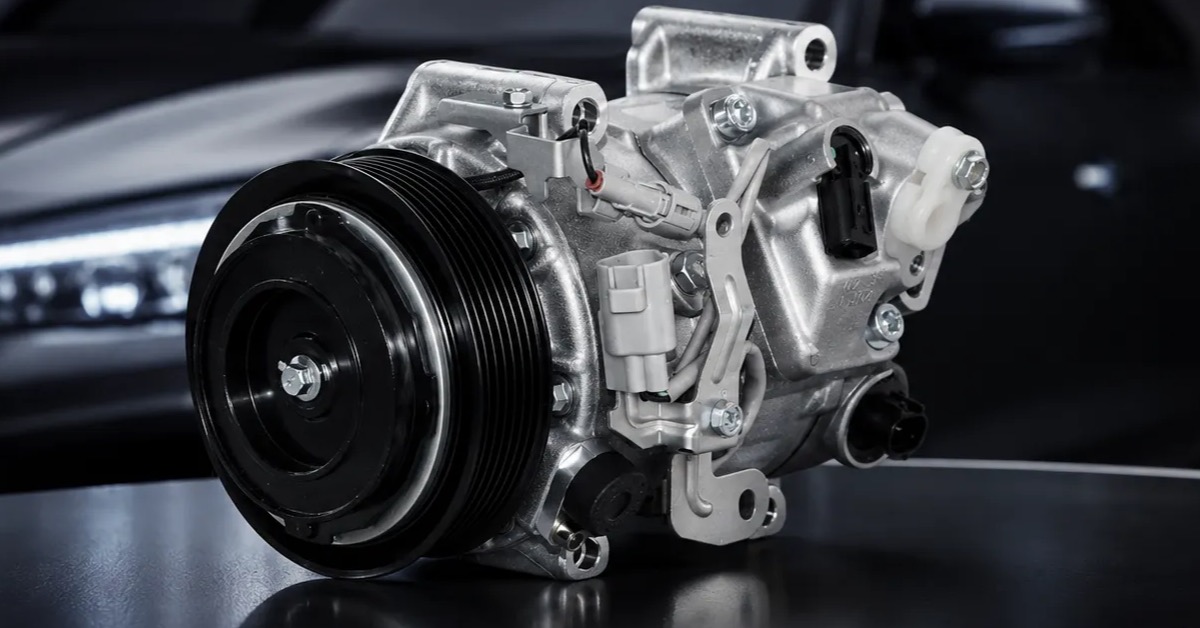
Never infer control type only from a product photograph or connector count. Request the supplier's controlled specification and cross-reference. If replacing an original unit, confirm the vehicle and engine version because control strategies can differ within a model name or production year.
How to choose between variable and fixed displacement
1. Follow the original system architecture
For replacement programs, the validated original architecture is normally the starting point. Changing control type is an engineering project, not a routine substitution. The buyer should provide OE numbers, application data, and the original compressor information.
2. Define cooling and operating requirements
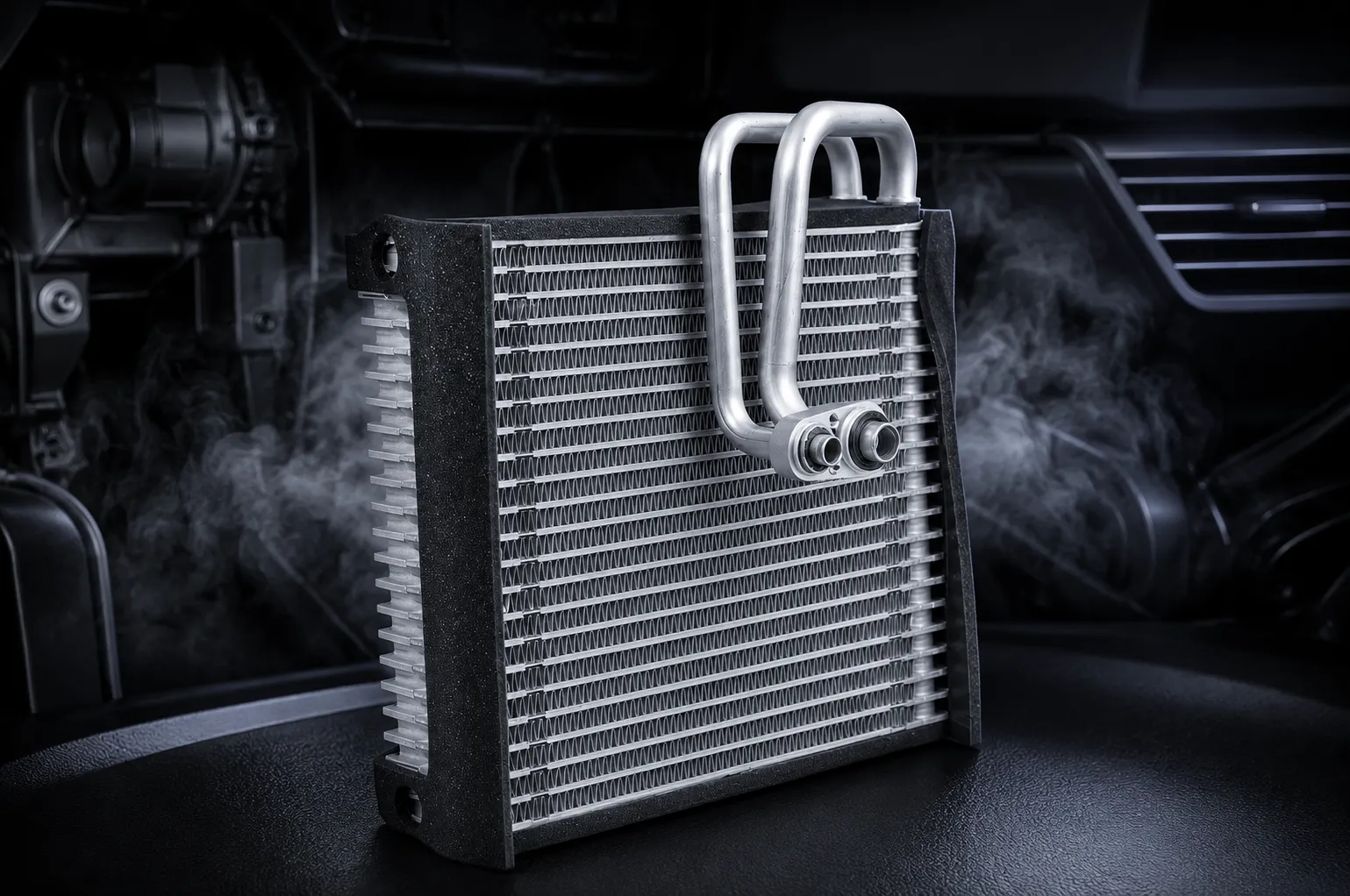
For a new system, define refrigerant, cooling duty, speed range, environment, drive arrangement, control architecture, installation envelope, interfaces, and validation targets. Compressor selection must be integrated with the condenser, evaporator, expansion device, controls, and airflow system.
3. Evaluate control integration
Determine whether the vehicle has the required clutch, valve command, sensors, controller logic, wiring, and diagnostics. A mechanically compatible externally controlled compressor may not operate correctly without matched electronic control.
4. Review service and market needs
Aftermarket brands should consider application-data quality, installer guidance, connector identification, oil and refrigerant instructions, packaging, labels, and warranty-analysis capability. A broad catalog has little value if similar-looking variants are not distinguished clearly.
Application data buyers must verify
| Data group | Examples | Risk if missing |
|---|---|---|
| Vehicle | Make, model, year, engine, market, VIN range where relevant | Incorrect variant selection |
| Reference | OE number, supplier number, approved cross-reference | Uncontrolled interchange |
| Mechanical | Mounts, pulley, grooves, offset, rotation, clearance | Installation or belt-drive problems |
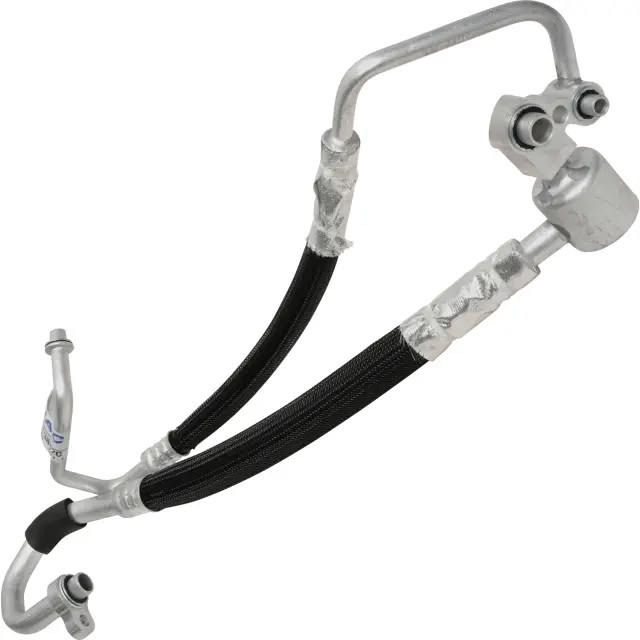
| Refrigerant circuit | Ports, orientation, seals, refrigerant, lubricant | Leakage or material incompatibility |
| Control | Fixed, internal variable, external variable, connector, pin, signal | Incorrect capacity regulation |
| Performance | Agreed test conditions and acceptance criteria | Unproven system output |
Supplier evidence for a variable vs fixed displacement AC compressor project
A capable supplier should provide more than a catalog label. Ask for the controlled drawing, application record, platform and control definition, critical dimensions, port and connector information, refrigerant and oil requirements, inspection plan, leak and functional data, applicable validation evidence, packaging specification, and change-control process.
ZUA states that its compressor operation includes automatic cleaning, helium leak detection, full-performance testing, abnormal-product isolation, and laboratory capability for performance, durability, vibration, noise, and after-sales analysis. The IATF overview explains the automotive supply-chain focus of IATF 16949; buyers should verify certificate scope and then review model-specific evidence.
Sample approval and validation
Before approving a sample, freeze the application and compressor revision. Inspect dimensions, pulley and mounting, ports, connector, identification, workmanship, and packaging. Review leak, functional, performance, and other required validation results. Complete bench or vehicle testing appropriate to the buyer's responsibility and document the exact configuration.
For an externally controlled variable unit, the validation plan should include the matched control arrangement. For a fixed-displacement unit, review clutch or cycling behavior as applicable to the system. Test conditions and acceptance criteria should come from the approved project specification rather than a generic claim.
Total sourcing cost and commercial questions
The lowest unit price may not be the lowest program cost. Consider application-data work, sample and validation cost, tooling, packaging, inventory by variant, minimum order quantities, forecast changes, returns caused by misapplication, and technical support. Ask the supplier to quote each part number and packaging configuration clearly.
MOQ, lead time, warranty terms, private-label options, and development fees are model-specific. Confirm them in writing after the supplier reviews the required platform, forecast, validation, and artwork.
Use a supplier comparison scorecard
A variable vs fixed displacement AC compressor scorecard should separate application fit from general factory capability. Give the highest weight to confirmed control type, vehicle and engine coverage, mechanical interfaces, refrigerant and lubricant compatibility, performance evidence, and change control. Then score production capacity, traceability, packaging, technical response, warranty analysis, and commercial terms.
For each score, record the supplier document, sample, test record, or observed process that supports it. Mark unknown items as open rather than awarding points for a confident verbal answer. This makes a variable vs fixed displacement AC compressor comparison auditable and prevents price from hiding unresolved technical risk.
Before final approval, hold a cross-functional review with purchasing, engineering, quality, service, and inventory teams. Engineering confirms compatibility; quality confirms evidence and change controls; service checks installation and failure-analysis needs; inventory reviews variant separation; and purchasing confirms MOQ, lead time, packaging, and contractual responsibilities. A disciplined variable vs fixed displacement AC compressor decision reduces both validation risk and costly catalog overlap.
Common sourcing mistakes
- Choosing variable or fixed displacement only from the vehicle model name;
- Assuming similar housings or connectors prove interchangeability;
- Ignoring engine, market, or production-year variants;
- Confusing internally and externally controlled variable designs;
- Failing to verify refrigerant, lubricant, ports, pulley, and rotation;
- Approving a sample without a controlled drawing and test record;
- Allowing component or control-valve changes without notification.
Frequently asked questions
Is a variable-displacement compressor always better?
No. The correct design is the one matched to the vehicle or engineered system architecture. Benefits depend on proper control, integration, and validation.
Can a fixed-displacement compressor replace a variable unit?
Not as a routine substitution. The control strategy and system behavior differ, so any conversion requires complete engineering review and validation.
How can I identify an externally controlled compressor?
Use the part number, controlled specification, control-valve information, connector and pin data, and vehicle application. A photograph alone is insufficient.
What does compressor displacement mean for sourcing?
It is one important platform parameter, but it does not establish compatibility. Mounting, drive, ports, controls, refrigerant, oil, performance, and vehicle data remain necessary.
Which fixed-displacement platforms does ZUA list?
ZUA lists BFC fixed-displacement compressors at 110-200 cc and TM fixed-displacement compressors at 80-320 cc.
Which variable-displacement platforms does ZUA list?
ZUA lists internally controlled BVC at 140-160 cc, externally controlled BVC at 120-185 cc, and BV5/BV6 at 150-160 cc.
What should be included in a compressor RFQ?
Include OE references, vehicle and engine data, control type, displacement, mounting, pulley, ports, connectors, refrigerant, lubricant, forecast, packaging, and validation requirements.
Where can buyers request application support?
Review the ZUA compressor platforms, then send the complete application package through the contact page for model-specific confirmation.
Make the selection from controlled application data
The variable vs fixed displacement AC compressor decision is reliable only when the system architecture, interfaces, control method, performance targets, and validation route are documented. Use platform ranges to shortlist, then approve the exact part through drawings, evidence, and application testing.