Before choosing from an AC evaporator supplier China shortlist, check what each quote includes. Does one cover a bare core while another includes seals, foam and validation? Settle the vehicle and supplied assembly first. Approval then needs evidence from the intended housing, cooling and wet checks, leak and cleanliness controls, and a representative pilot. A low unit price is easier to judge once those differences are visible.
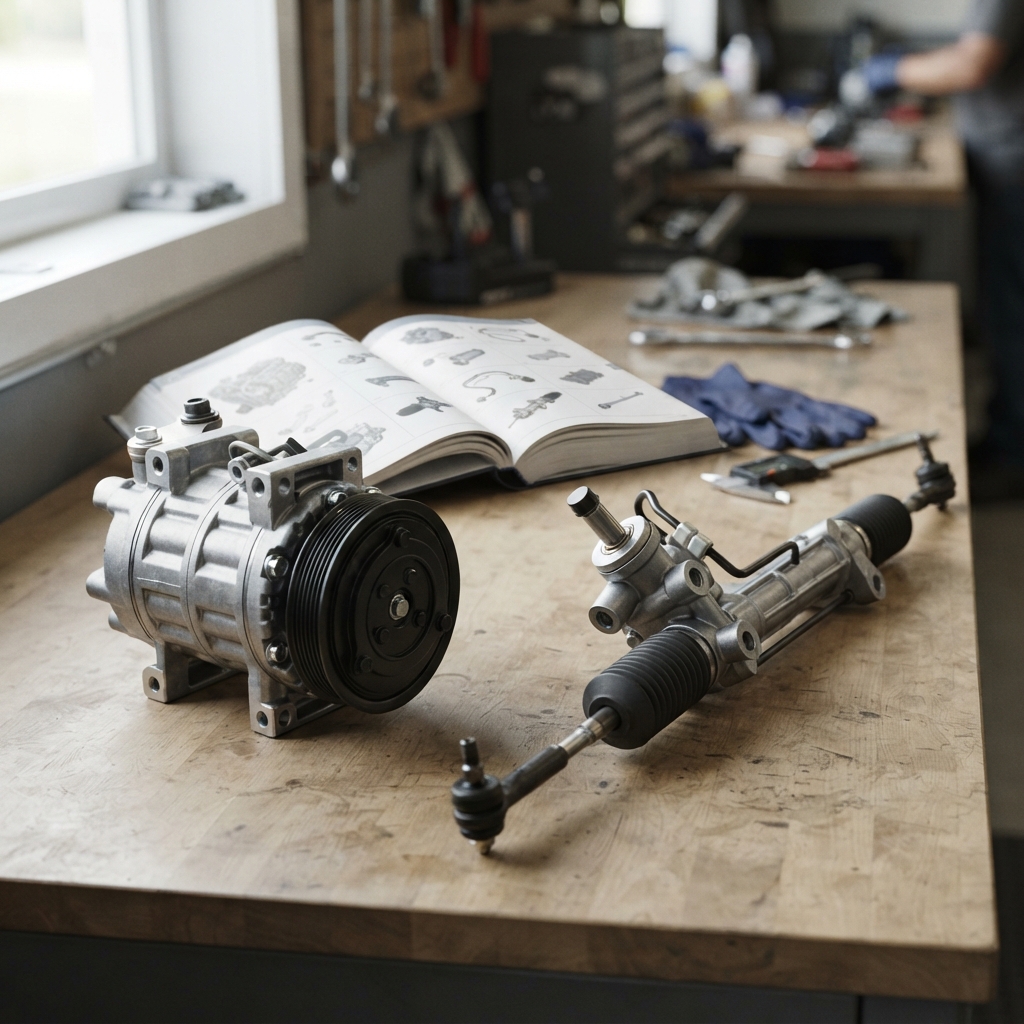
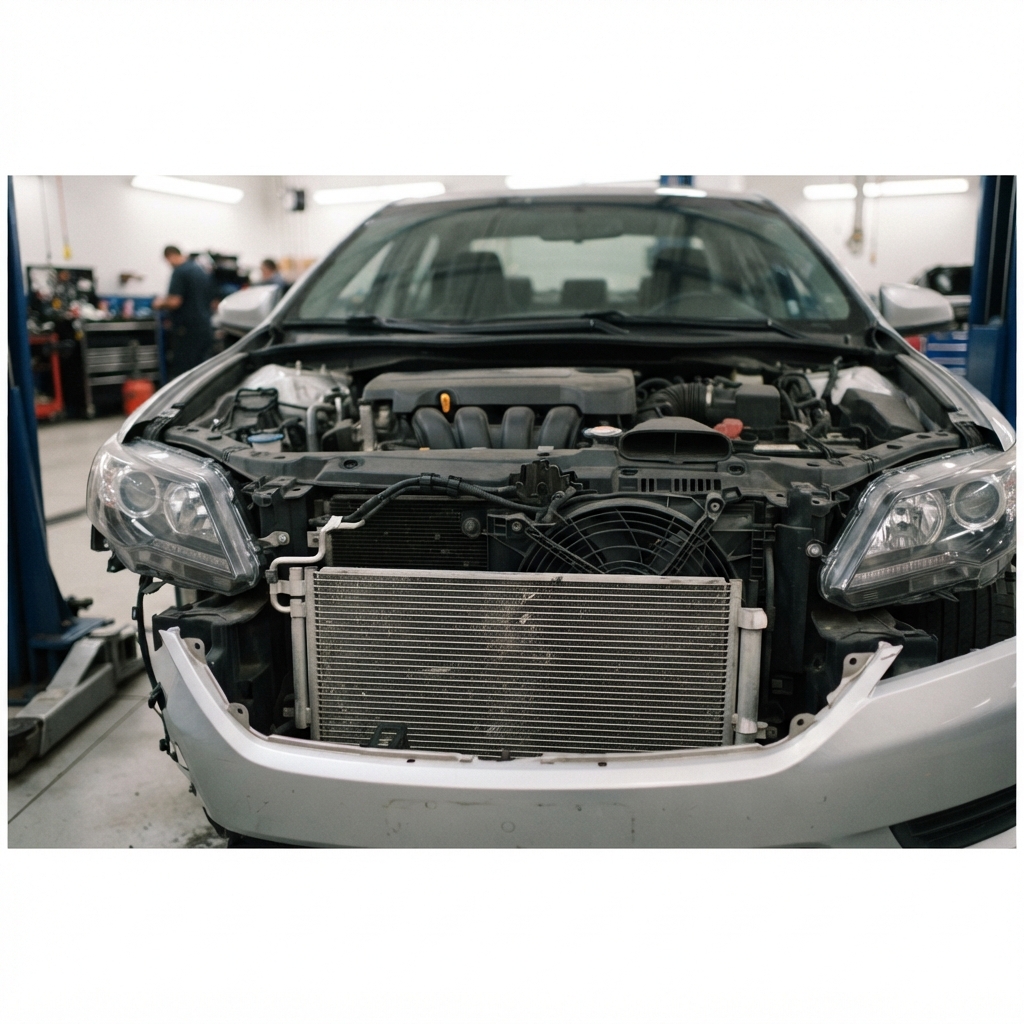
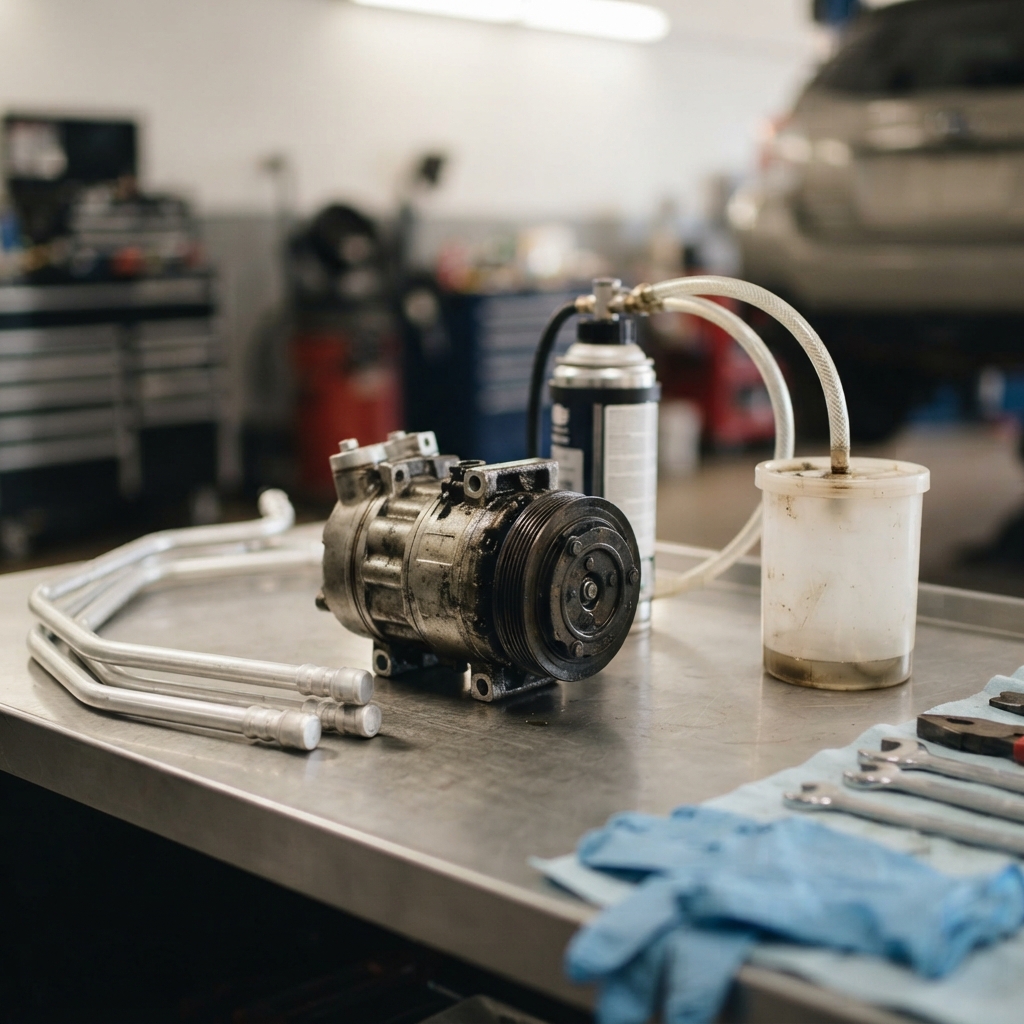
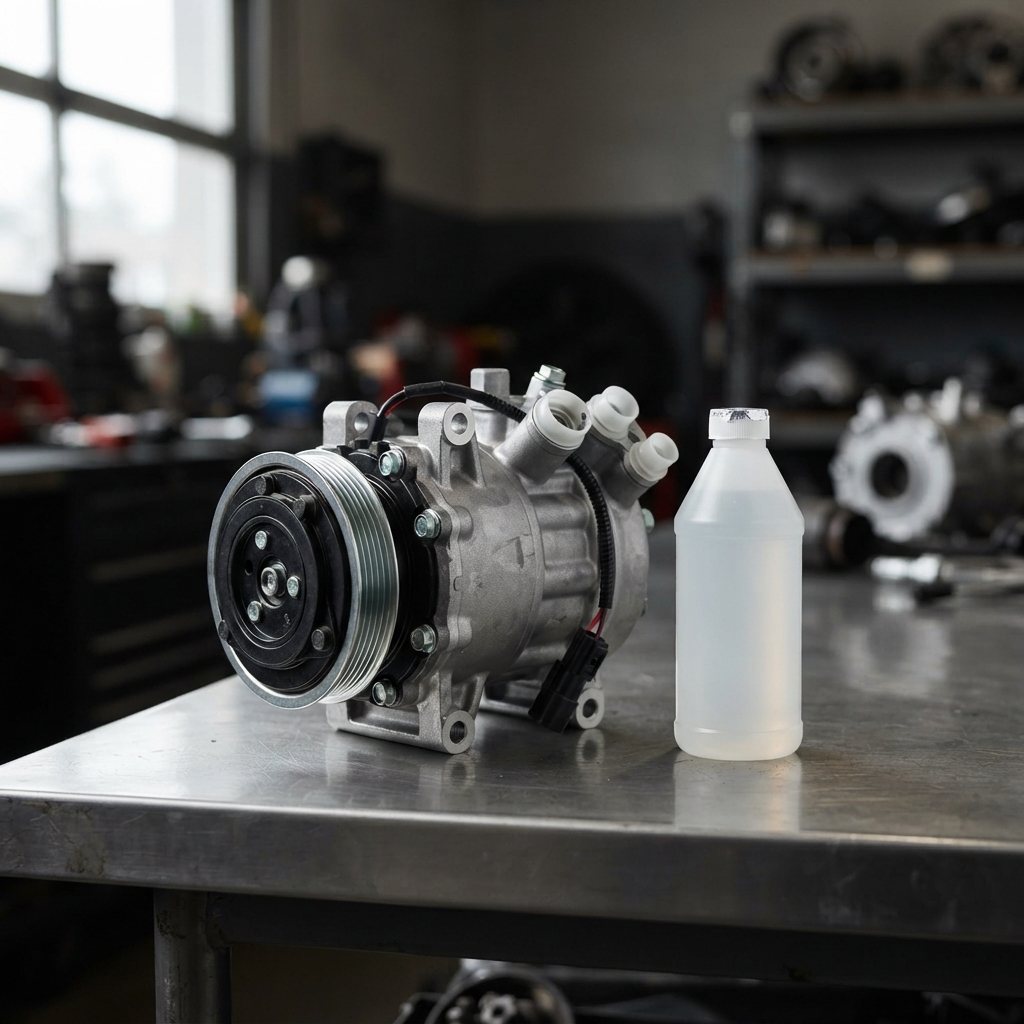
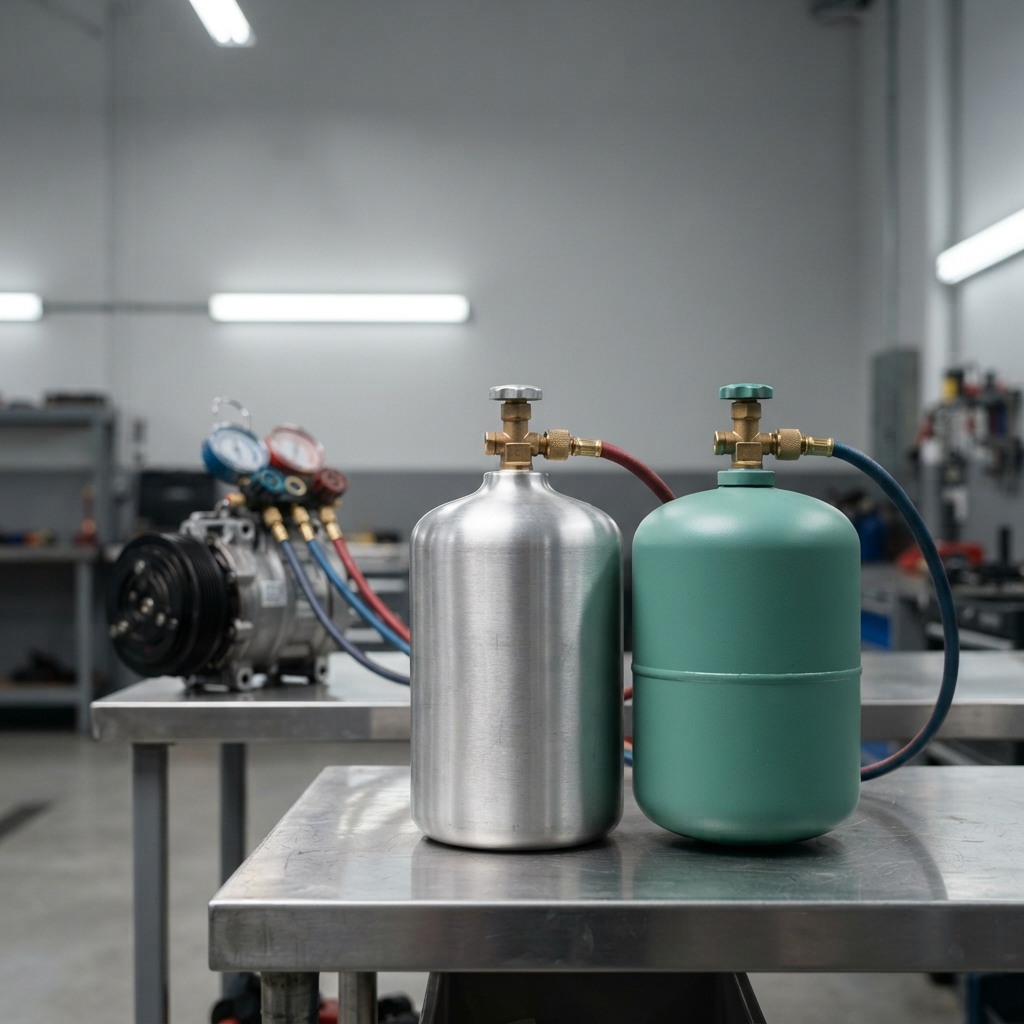
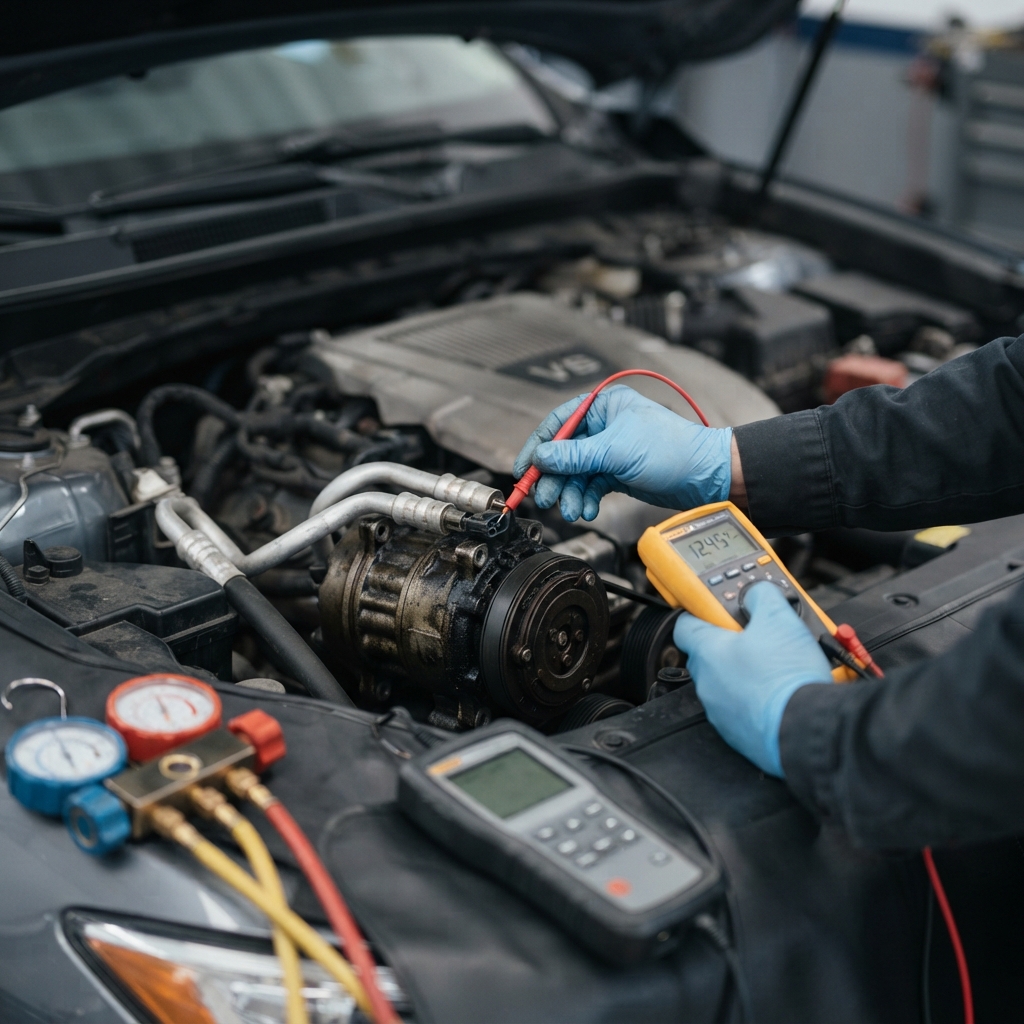
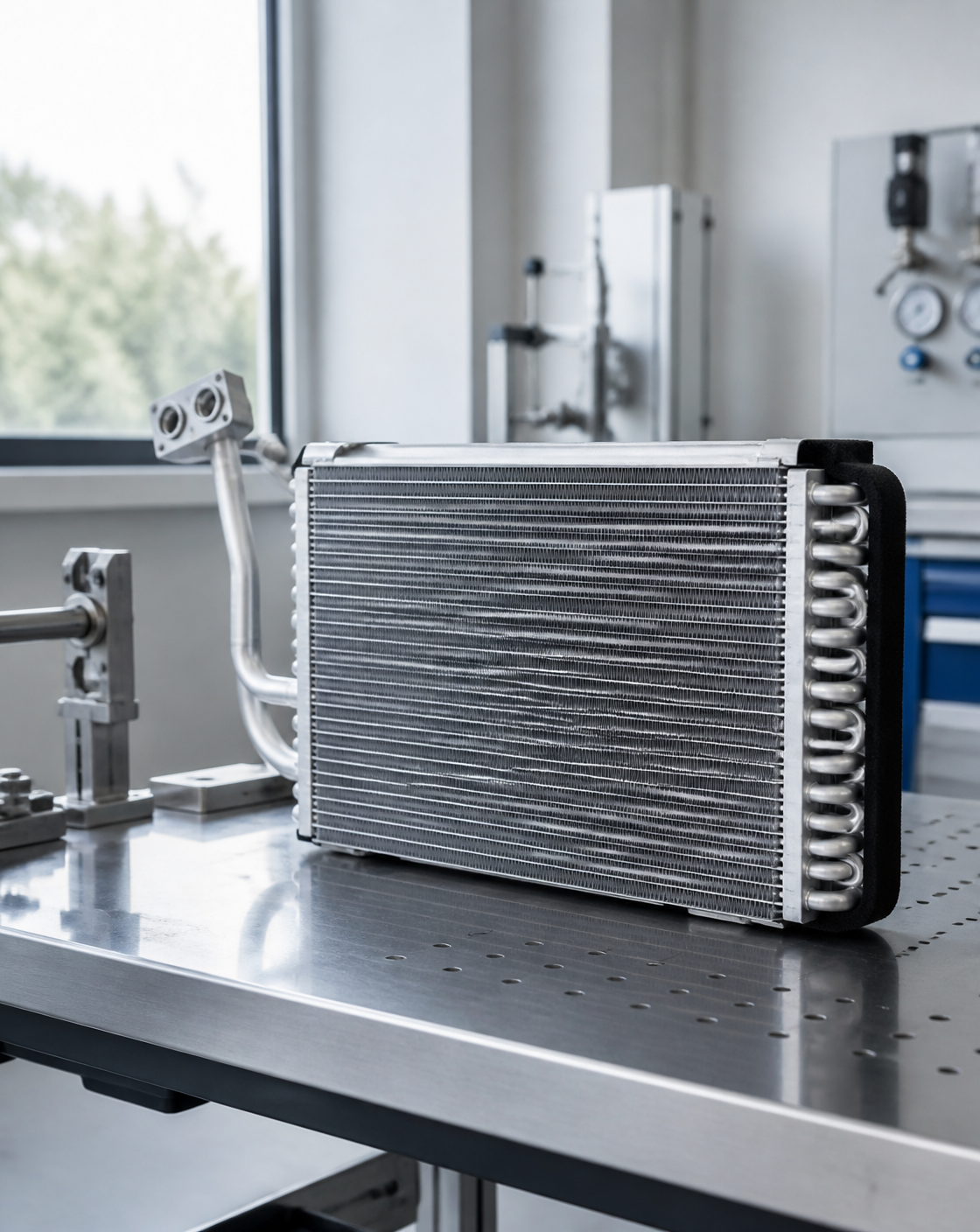
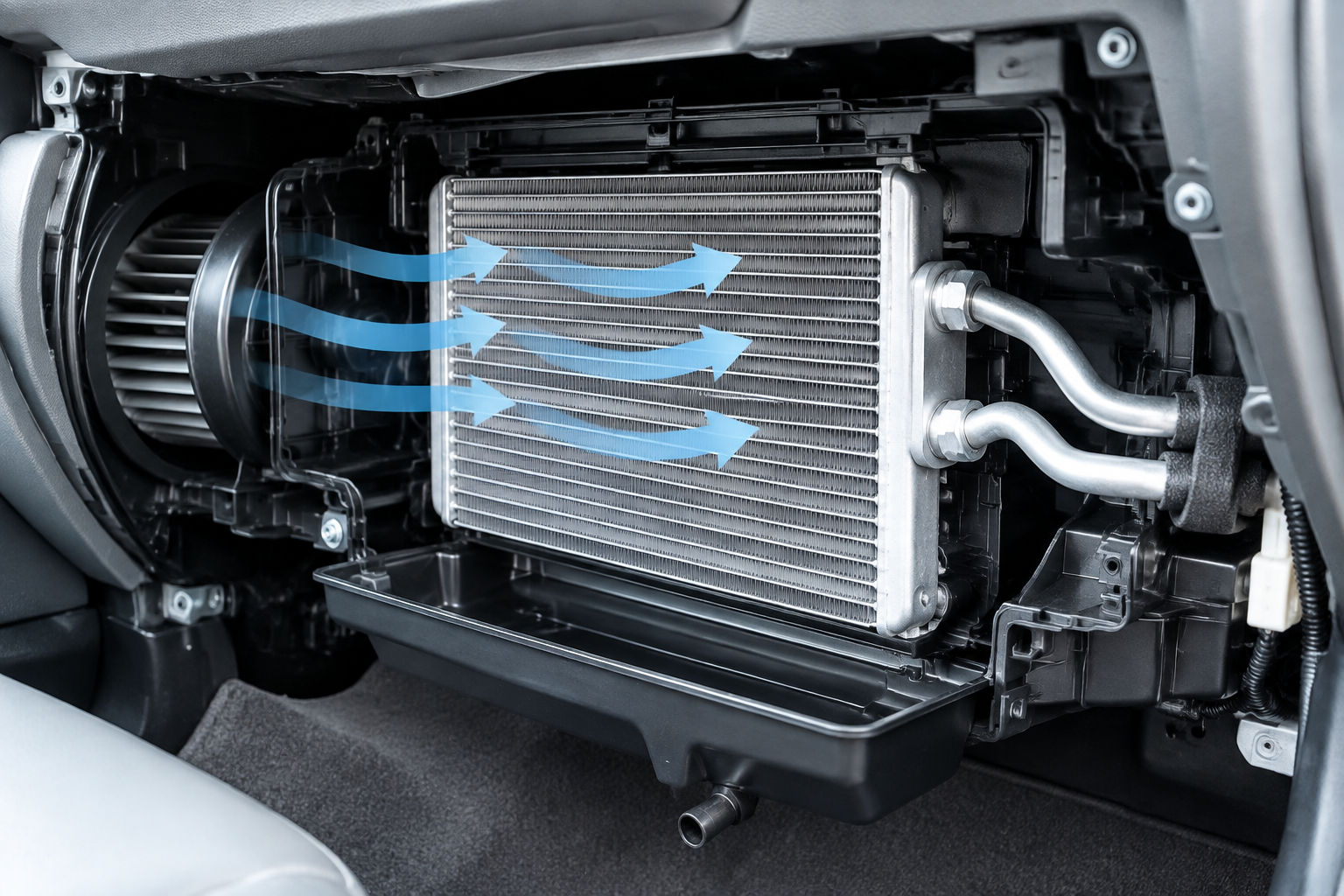
EV-2, mentioned below, is fictional. Its purpose is to make the fit and drain questions concrete, not to present a ZUA customer case. The pictures are generic illustrations.
Which version is actually being quoted?
You have the year and model. What about the market, steering side and build period? A photograph of a similar core will not fill in those blanks. Ask the supplier to show how the quoted reference connects to your vehicle and HVAC version. If that link is uncertain, identification is still part of the job.
A partly hidden number is worth leaving partly hidden. Send its photograph and point to the unreadable character. The supplier can then help investigate it. Completing the number from memory makes the file look more certain than it is.
With the old part available, take the photographs before cleaning: pipes, seals, foam, sensor pocket and empty housing. Keep the rubbing marks in view. They suggest places to investigate, though you still need a measurement to establish clearance.
Write the supplied contents on the RFQ. Add the refrigerant and expansion device, then the destination and expected demand. Each candidate on the AC evaporator supplier China shortlist should receive that version. Ask for exceptions beside the requirement they affect. It saves hunting through several emails to discover that one price omitted the foam.
"The sample is ready" needs another question
"Please send the sample label and drawing revision. Which check is it ready for?" That is a reasonable reply. You might be expecting a part for case fitting while the supplier means a photograph is ready. The word "ready" alone does not resolve the difference.
The same caution applies to an offered report. Look at its part number first. It may be entirely genuine and still concern a different core.
An honest "we have not confirmed that variant" gives you something to resolve. A confident "same as original" gives you another question: original to which reference?
Try the case before accepting the outline
For the exercise, put EV-2 in the lower half of its intended housing. There is room around it. Now complete the assembly. Will the case close with the intended foam and seals? Can the doors move? Is there clearance to the blower, heater core, sensor and harness? The empty housing could not answer those questions.
Take a more awkward possibility: the mating pipe sits sideways, and a screw has to pull it home. The joint closes, but would you sign off the fit? Leave it open while the drawing references and mating parts are compared. You do not yet know whether the correction belongs to the core, the pipe or the fixture.
Measurements need the same reference on both sides of the conversation. A port position taken from the header cannot be compared directly with one taken from the housing wall. Put the datum and agreed tolerance beside the dimension. Keep the sample and housing revisions, measuring equipment and photographs with the result.
| Observation | What remains open? |
|---|---|
| The mating pipe needs sideways force | Which interface differs from the agreed drawing? |
| Foam touches the drain lip | Is its position correct, and what happens when wet? |
| The sensor seats without a visible pinch | Is this the intended sensor and housing revision? |
Two capacity numbers may describe two different tests
Read past the capacity figure to the conditions. Refrigerant, airflow and inlet conditions belong beside it. So do the tested revision, fixture, instruments and criterion for stable readings. Could another engineer reconstruct that test point from the report? If not, ask for the missing detail before ranking it against the other offer. Make sure calculated values are identified.
A deeper core or denser fins may be a reasonable proposal. You still need to see cooling alongside air-side pressure drop in the agreed arrangement. If the reports use different conditions, ask for a common comparison point. Otherwise you are choosing between test setups as much as between parts.
The OEM evaporator engineering guide explores that application discussion. It cannot replace the drawing and results for the revision in your quotation.
Watch where the water stays
First drops at the outlet are encouraging. What happens once the assembly is wet? That check needs the pan, seals, outlet and hose in the intended case and orientation. Settle the wet conditions, duration and acceptance rule in advance, so everyone knows what is being observed.
Back to EV-2: suppose a pool remains beside it. Before dismantling anything, photograph the location. You might find a restricted hose or displaced foam; the fixture angle might need attention. Or the part may need correction. The pool is evidence to investigate, not a diagnosis by itself.
Write down the sample, conditions, time and location. "Drainage acceptable" is too little for someone trying to repeat the check. A correction needs another relevant run, with its own result.
For more on the installation boundary, see the aftermarket drainage guide. Icing and odour complaints need their own investigation, including the filter, blower, charge history, valve and sensor conditions.
A leak pass cannot answer every release question
It answers the question asked by that method and limit. The record needs enough detail to repeat the check: medium, pressure or vacuum, temperature, settling period, fixture and equipment checks. Identify the sample or lot, the result and what happens after failure. A successful retest should not erase the original failure.
SAE International describes the system-level context in the public scope of J639_202011:
"This document provides industry-recognized standards for the design, assembly, and test of MAC systems, including necessary service equipment"
That scope is not an evaporator test certificate or a universal component acceptance limit. Agree the applicable requirements and methods for your project. Keep fit, thermal, drainage, leak and durability evidence distinguishable, even if one laboratory supplies several reports.
Ask where the tube is open
Take the process chart from joining through washing and drying to inspection and packing. At each wait, ask what protects the opening. Then try the rework route: does the same cap rule still apply? It is easy to discuss the wash in detail and leave the hours after it unexplained.
If a subcontractor washes the cores, find out who owns the requirement and who may change it. Link the cleanliness result to its method, limit, sample basis and lot. Then ask what a failure means for boxes already packed. "We washed it again" does not tell you whether that stock was contained.
Keep those answers in the AC evaporator supplier China qualification file. Certificates with unrelated part numbers do not become one qualified product just because they share a folder.
The pilot should resemble the order you intend to place
A selected sample shows what was made once. The pilot should tell you more about the next order. Who made it, using which materials and tooling? Did the cleaning, tests and packing follow the proposed route? Extra sorting or hand finishing need not be concealed; they need to be explained so you can judge what the batch represents.
Agree the sample basis with the buyer. Compare interfaces and finishing across the pilot, then connect the fit, wet, leak and cleanliness checks to identified units. The pieces may go to different tests; their identities should not disappear when they do.
Sometimes one issue remains open. Be specific about what is permitted next: more samples, more testing, or a defined shipment under an agreed deviation. Give the issue an owner, due date and stock restriction. The person booking freight should not have to interpret "approved with comments."
Open the packaging after the handling trial
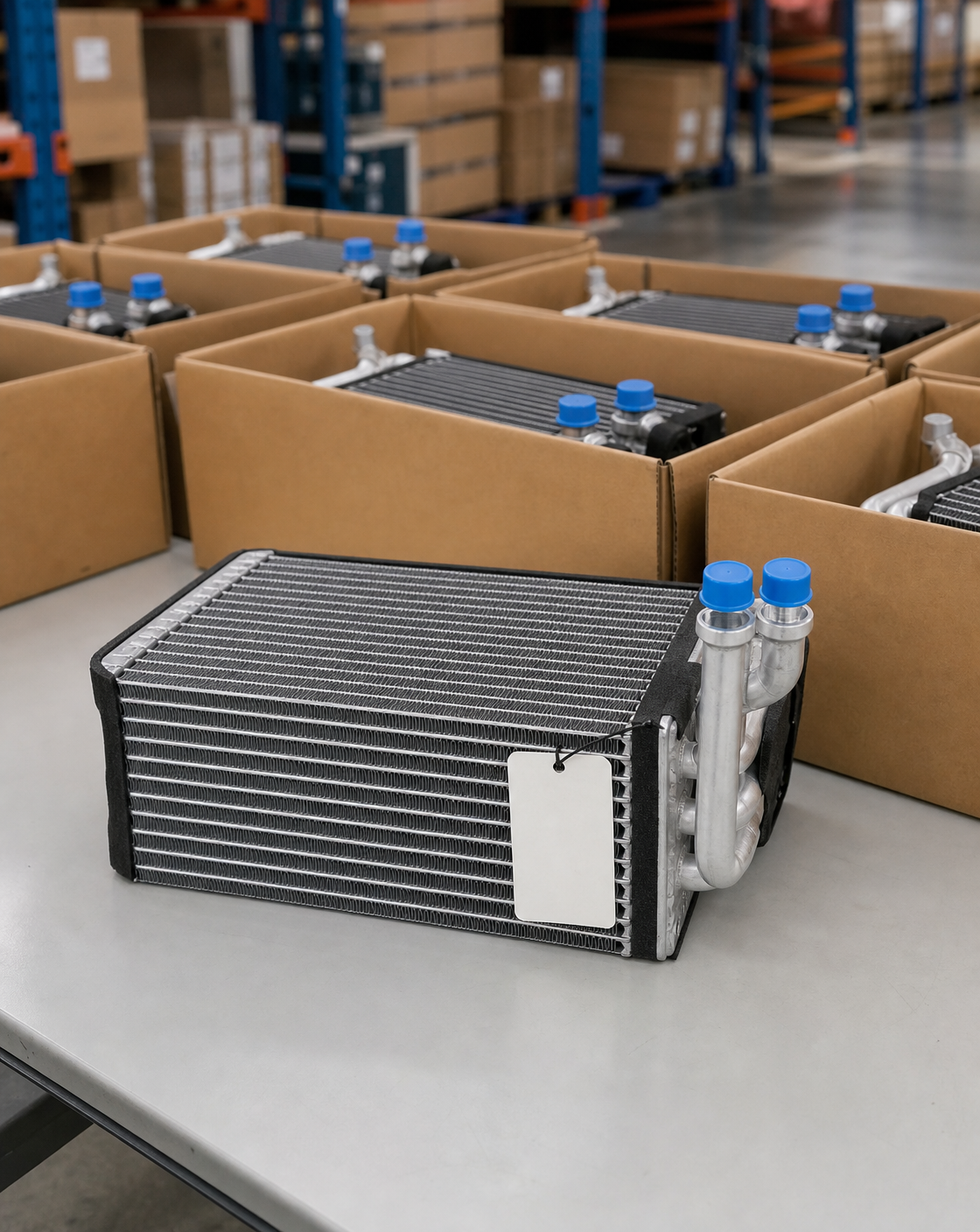
The carton may look fine while a tube rubs an inner divider. Check where the core's weight sits and what protects its fins, ports and corners. Review moisture protection against the actual storage and shipping requirements, not a generic packing photograph.
After the agreed trial, open representative packs. Look for rub marks, crushed fins and movement, then inspect the tubes, brackets, foam, coating and caps. If the pack changes, retain its revision and recheck it. Make similar variants identifiable from their labels, with the SKU and lot carried through the shipping records.
Make the approval useful six months later
A colleague should be able to open the release file and find the accepted drawing, covered applications, evidence and approver. Label superseded reports. List unfinished checks separately, including who owns them and which stock remains held. A long email history is harder to use than a short, explicit decision.
Set a change-notification agreement before routine orders begin. Materials, interfaces, factory, subcontractors, cleaning, test methods and packaging all deserve consideration. Ask for the affected stock and first changed lot. An unchanged sales part number is not enough to identify a process change.
Claims need the same discipline. "No cooling" is a symptom. Record the vehicle, part and lot, installation and service history, measured conditions and photographs. Agree who may cut or wash a returned core before it is altered. For neighbouring circuit checks, the A/C hose quality guide and condenser testing guide provide related reading.
What to send ZUA
See the automotive A/C evaporator range and company background, then send the part-specific questions through the ZUA contact page. Neither a company introduction nor a product listing settles a fitment question.
For an AC evaporator supplier China inquiry, start with the vehicle and OE reference, case and port photographs, measurements and system details you actually have. Mark the gaps. Add demand, destination and validation needs. Ask which controlled drawing, test records, traceability example and packaging proposal can support that particular quotation.
Questions behind an AC evaporator supplier China search
What if the OE number is unreadable?
Send its photograph and mark the uncertain character. Ask for help identifying the application instead of guessing a complete number.
Does a matching outline establish fit?
No. Try the interfaces and the completed housing, including foam, seals, mating pipes and sensor clearance.
What should travel with a sample?
Its identity and revision, application information, supplied kit contents and the checks being requested. Unknown details should remain visible.
Can two thermal reports be compared directly?
Only after checking their conditions and revisions. Different airflow or inlet conditions may require another agreed comparison point.
What does a leak pass leave open?
The other release questions, including fit, cooling, drainage, cleanliness and durability. Keep their evidence separate.
Why keep a failed result after retesting?
The failure and its investigation explain what changed and which stock was affected. The later pass does not tell that history.
Why inspect the pilot route?
To find out whether it resembles the production being offered, including any selection, sorting or extra finishing.
When should packaging be opened?
After the agreed handling trial as well as during the initial review. An undamaged carton does not establish an undamaged core.
What makes a conditional approval usable?
An explicit permitted next step, an open issue with an owner and deadline, and a clear restriction on affected stock.
When does price comparison become meaningful?
When both suppliers are quoting the same part and evidence boundary, and you understand their packaging and commercial exceptions.
Before the next order
Ask one last question: could someone who missed these discussions order the right version again? The accepted drawing, application, route and evidence should make the answer clear. If the answer still depends on a private chat, the release file needs another pass.