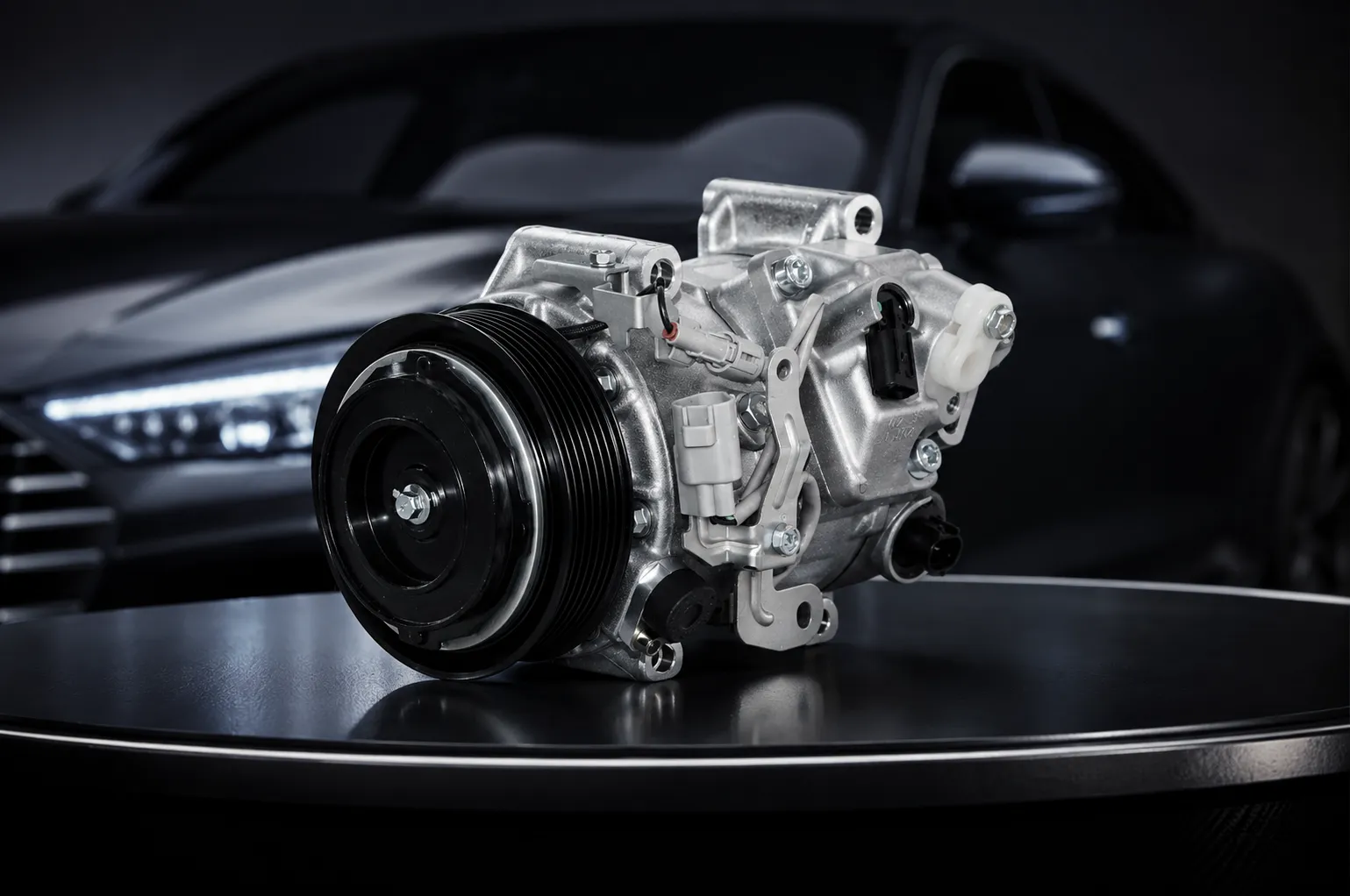
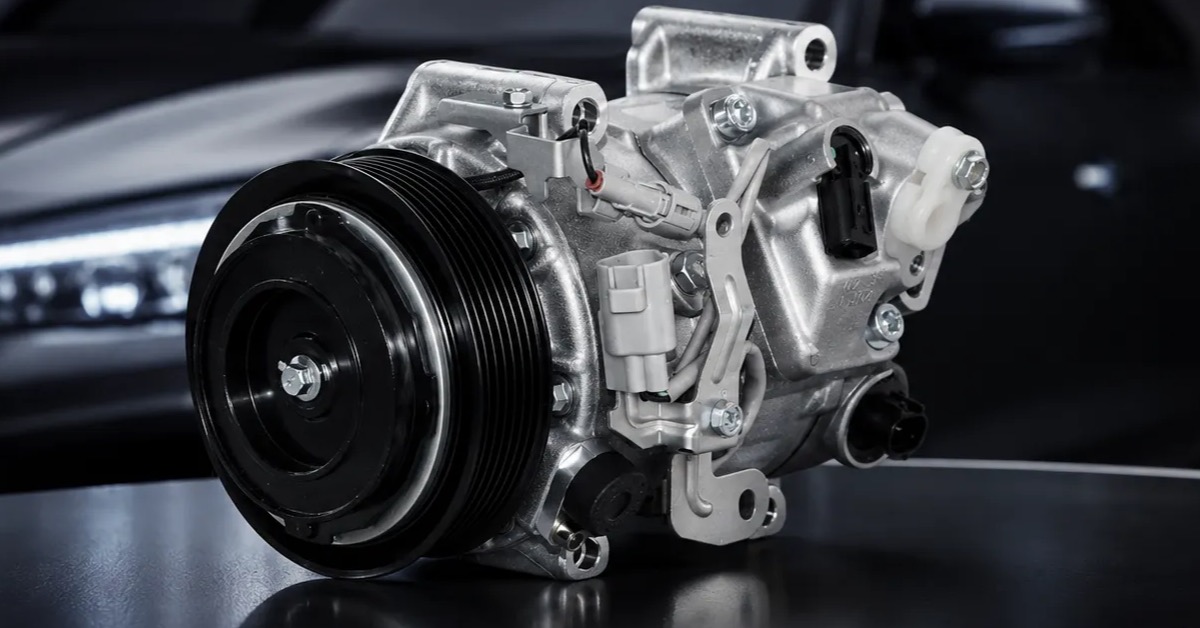
An AC compressor sample request should help a supplier identify the exact application, build the correct configuration, and explain what evidence can be delivered with the sample. A request that says only “send a compressor for this OE number” leaves open the refrigerant, oil, displacement, control method, pulley, ports, clutch, connector, packaging, test scope, and forecast. The result may be a sample that fits on a bench but cannot be fairly evaluated in the intended vehicle program.
For buyers sourcing through ZUA Auto Parts, this framework connects the technical question to a controlled product inquiry; exact fitment and quoted specifications remain SKU-specific.
A concise technical brief solves this by separating confirmed data, buyer decisions, supplier confirmations, and open questions. It lets engineering, purchasing, quality, and logistics work from one request instead of sending disconnected follow-up messages.
State the purpose of the sample first
Explain whether the sample is for catalog verification, dimensional fitment, bench testing, vehicle evaluation, reverse engineering, a private-label review, warranty comparison, or a production-development program. One sample can support several purposes, but each purpose may require a different configuration, quantity, fixture, or document.
State the decision date and what will happen after the sample: no-go, additional testing, quotation revision, pilot order, or production release. This gives the supplier a useful commercial context without promising an award.
The sample-request cover sheet
| Section | Buyer provides | Supplier confirms |
|---|---|---|
| Application | Vehicle, year, engine, OE, market | Coverage and assumptions |
| Configuration | Displacement, control, pulley, ports, clutch | Exact supplied build and alternatives |
| Fluid context | Refrigerant, oil, charge, service condition | Oil fill, compatibility, shipping state |
| Evidence | Fit, function, performance, inspection needs | Available reports and test ownership |
| Logistics | Quantity, destination, packaging, date | Pack, marking, sample timing to confirm |
| Commercial | Forecast, target markets, quote format | Price basis, validity, open assumptions |
Identify the application without shortcuts
Include vehicle make, model, model year, engine or powertrain, HVAC configuration, market, production break point, OE number, incumbent supplier if known, and the reason for the inquiry. Attach clear photographs of the installed and removed compressor, pulley, ports, connector, mounts, label, and surrounding clearance.
An OE reference remains useful, but it should be treated as one identification key. A shared reference can hide different pulley, clutch, valve, connector, oil, or control requirements.
Freeze the AC compressor sample request mechanical interface questions
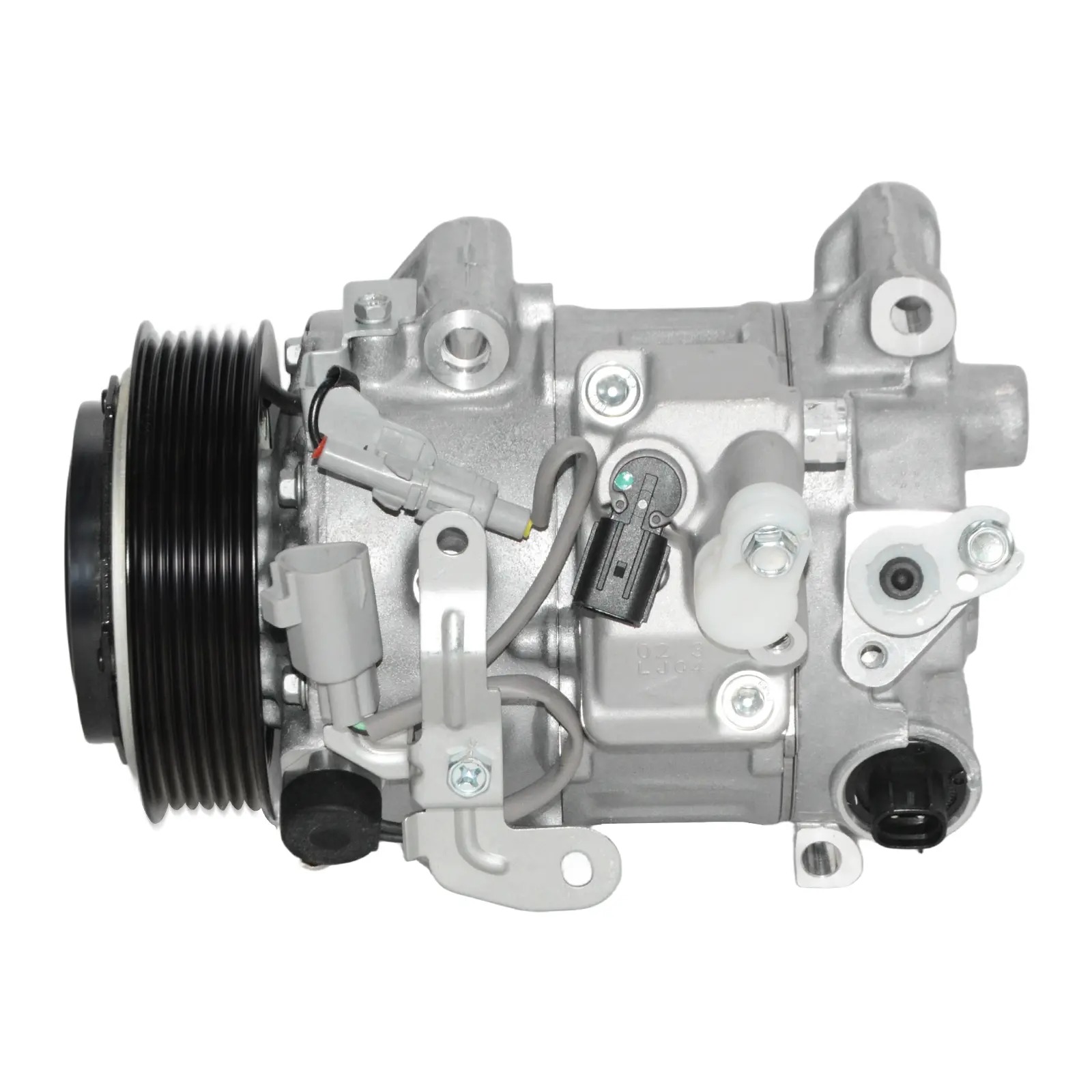
Request mount geometry, bolt pattern, envelope, pulley diameter and groove, belt line, shaft or clutch, port type and orientation, service clearance, bracket, and connector location. State which dimensions are confirmed by drawing and which are measured from a physical sample.
For an AC compressor sample request, ask the supplier to identify any dimensional assumption that could change installation. This prevents a “sample fit” result from being interpreted as approval for every vehicle listed in a cross-reference.
Describe displacement and control architecture
Specify fixed or variable displacement, nominal or requested capacity, internal or external control, control valve, clutch or clutchless drive, and command interface where known. If the architecture is uncertain, say what must be confirmed by the supplier and what vehicle data is still required.
For electronically controlled units, attach connector images, pinout, command waveform or current information, controller assumptions, and relevant fault behavior. A supplier should return the proposed valve and control identity with the sample, not leave it as an unmarked substitution.
Record refrigerant, oil, and shipping condition
State refrigerant, oil type, oil quantity or adjustment rule, residual oil assumptions, system charge, flushing condition, and contamination concerns. Ask whether the sample ships with oil, a shipping charge, protective caps, or another preparation that affects bench or vehicle testing.
The SAE J639 page provides a reference point for safety considerations around motor-vehicle refrigerant vapor-compression cycles. It does not define the complete acceptance criteria for a buyer's sample; those belong in the program brief and test plan.
Ask for the evidence that matches the decision
Divide evidence into requested now, required with sample, required before pilot order, and not applicable. Typical items include drawing, bill of material, part and valve identity, fitment notes, oil statement, leak result, performance method, noise or vibration record, durability scope, inspection sheet, packaging photos, and deviation list.
Do not request “all certificates” without stating scope. Ask for the exact certificate, report, revision, date, sample configuration, and owner when it matters to the decision.
Define the sample test matrix
List dimensional checks, connector and pulley checks, leak screen, function, pressure and temperature observations, capacity or flow points, torque or power, noise, vibration, and any vehicle test. State fixture, refrigerant, oil, speed, command, ambient, stabilization, measurement, and acceptance approach as far as the program can support.
A sample request need not pretend to know every final limit. It should identify the unknowns and assign who will close them. This is more useful than accepting a generic “tested OK” statement.
Separate prototype from production-intent evidence
Ask the supplier to identify whether the sample is hand-built, tool trial, pre-production, or normal production. Record material lots, valve revision, machine or process route, deviations, and expected differences from volume units.
If a prototype is acceptable only for fit or concept work, write that limitation into the request and approval record. Do not let a visually good prototype silently become a production release.
Include packaging and receipt requirements
Specify destination, sample quantity, labeling, photos before dispatch, protective caps, pulley or clutch protection, oil containment, carton condition, and required documents. Ask for the unpacking orientation and any restrictions on rotating or opening the sample.
At receipt, record package damage, labels, caps, fittings, pulley, connector, oil condition, and as-received configuration before installation. The receipt record is part of the sample evidence.
Make the commercial section comparable
Ask for sample price, production price basis, currency, Incoterm, tooling or setup assumptions, payment, quote validity, forecast band, packaging basis, and any development or testing charge. Request separate lines for one-time and recurring items.
State that the forecast is planning information unless a purchase commitment exists. This keeps the sample request commercially honest while giving the supplier enough context to answer capacity and price questions.
Close the request with an open-question log
End with a table of unresolved items, responsible party, requested evidence, target response date, and effect if unanswered. Include vehicle data, control valve, oil, test fixture, packaging, certificates, and commercial assumptions as needed.
A short open-question log prevents the request from being buried under email threads. It also gives the buyer a clean basis for comparing supplier responses and deciding whether more information is needed before ordering samples.
Set the sample acceptance meeting before dispatch
Invite engineering, purchasing, quality, service, and logistics to agree on how the sample will be received and judged. Confirm the installation owner, test fixture, measurement tools, report format, photo record, retained-sample location, and decision meeting. This prevents a sample from waiting in a warehouse while teams disagree about the next step.
For an AC compressor sample request, also record what happens if the unit differs from the request: hold for clarification, accept with a documented deviation, request a replacement, or test only the confirmed portion. A written reaction rule keeps the evaluation fair and avoids silently changing the scope after the part arrives. The supplier can then prepare the right documents and packaging instead of guessing which details the buyer will inspect.
Send the sample brief to ZUA
ZUA presents compressor platforms in its compressor category. Buyers can review the wider product portfolio, read company and engineering information, and submit the completed brief through the contact page.
Include OE and vehicle data, photographs, control and interface details, refrigerant and oil, sample purpose, evidence matrix, destination, forecast, and target response date. Ask ZUA to confirm exact sample configuration, available documents, and any assumptions before dispatch.
Frequently asked questions
Why is an OE number not enough for a sample?
The same reference can hide differences in pulley, ports, control, valve, connector, oil, or vehicle break point.
What is the first line of a sample request?
State the sample purpose, decision date, application, and what outcome will follow evaluation.
Should a sample request include photographs?
Yes. Show installed and removed part, mounts, pulley, ports, connector, label, and surrounding clearance.
What control data matters for a variable compressor?
Include internal or external control, valve identity, connector, pinout, command, controller assumptions, and fault behavior.
Why record refrigerant and oil?
Fluid compatibility, oil condition, charge, and contamination can change test behavior and cause incorrect conclusions.
Can a prototype approve production?
Only when differences are understood and production-intent evidence closes the remaining risks.
What evidence should be requested with the sample?
Request identity, drawings, fitment, oil statement, test method, results, deviations, packaging, and traceability appropriate to the decision.
How should sample packaging be checked?
Record caps, pulley protection, oil containment, labels, carton condition, configuration, and any transit damage before testing.
What commercial data belongs in the request?
Ask for sample and production price basis, Incoterm, tooling, quote validity, forecast, packaging, and one-time charges.
How can buyers request a compressor sample from ZUA?
Send the completed technical brief with vehicle, OE, configuration, tests, destination, quantity, and forecast through ZUA's contact page.
Make the first sample answer useful questions
An AC compressor sample request is strongest when it defines the application, configuration, fluid context, evidence, logistics, and commercial assumptions in one traceable brief. That clarity gives ZUA a better basis for the right sample and gives the buyer a defensible path from first quote to qualified program.