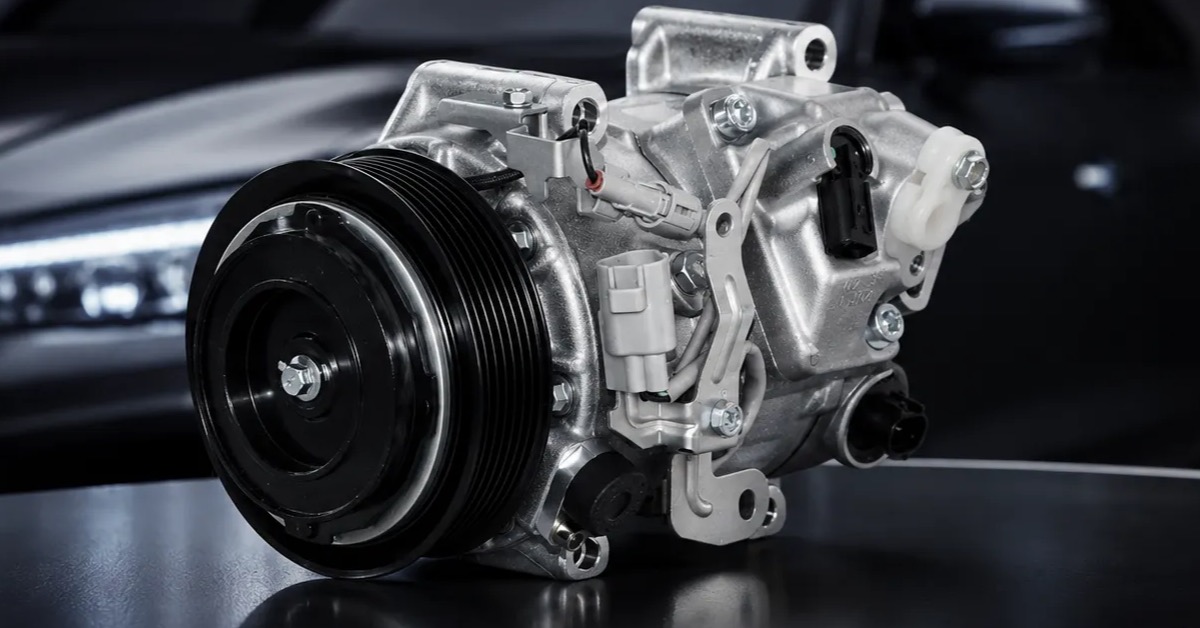
An automotive block expansion valve should be selected from a port map and operating requirement, not from a photograph that happens to have the same outline. The buyer needs the inlet and outlet roles, port diameters, center distances, sealing method, flow direction, sensing arrangement, mounting face, and vehicle application. A valve can bolt onto an evaporator and still meter incorrectly if a port is clocked differently, a seal is wrong, or the replacement assumes another refrigerant circuit.
For a ZUA Auto Parts inquiry, use this framework to separate confirmed product data from buyer-owned validation and open questions before approving a sample or order.
This record turns a small component into a controlled fitment decision. It is useful for importers, workshops, and distributors building replacement coverage without collapsing several valve variants into one vague listing.
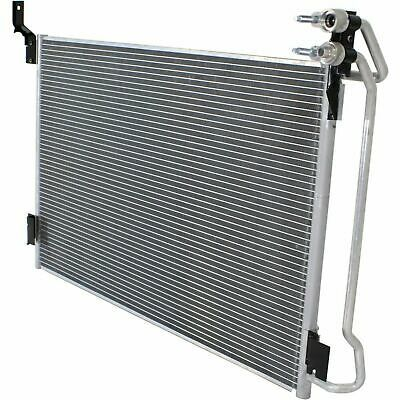
Label every port by function
| Port record | Capture | Why it matters |
|---|---|---|
| Inlet | Source side, diameter, seal, centerline, cap | Controls connection and contamination risk |
| Outlet | Destination side, diameter, axis, restriction path | Confirms evaporator connection and flow role |
| Equalizer or sensing | Location, thread, tube or internal passage | Changes control response and service routing |
| Mounting face | Hole pattern, dowel, thickness, gasket land | Prevents leaks and uneven clamping |
| Body identity | Part mark, revision, material, protective caps | Maintains traceability after unpacking |
Use the installed orientation as the reference view. “Top” and “side” can be ambiguous when a valve is rotated inside the HVAC case. A simple arrow showing refrigerant direction and a dimensioned face image is often more useful than several uncaptioned photographs.
Match the valve to the system operating window
Record refrigerant, expected evaporating and condensing conditions, compressor type, evaporator design, and the control method. A block valve meters refrigerant into a specific evaporator and system balance. It should not be treated as a universal restriction whose result can be copied from another vehicle.
Ask for the supplier's available flow or performance data at defined conditions. If only a drawing and interchange reference are available, state that clearly. A catalog cross-reference helps identify a candidate but does not prove superheat behavior in a different circuit.
Inspect the sealing stack as a complete assembly
Document O-ring size, material, groove shape, gasket, washer, retaining screw, and whether seals are supplied or transferred from the old valve. Port diameter without sealing information is incomplete. A correct-looking valve can leak because the seal sits at another depth or the flange expects a different surface finish.
During receiving, keep caps in place until installation. Photograph the ports before cleaning, then inspect for particles, dents, scratches, or missing seals. If the part is supplied with loose seals, pack them in a labeled compartment and identify the intended port rather than leaving the installer to guess.
For cross-border listings, add measurement units, reference temperature, and the view used for every dimension. A metric value without a datum can be read differently by a buyer working from an inch-based drawing. Keep the original photograph, marked-up drawing, and revision date in the same product record so a replacement question can be answered without recreating the inspection.
Use the evaporator interface as a hard gate
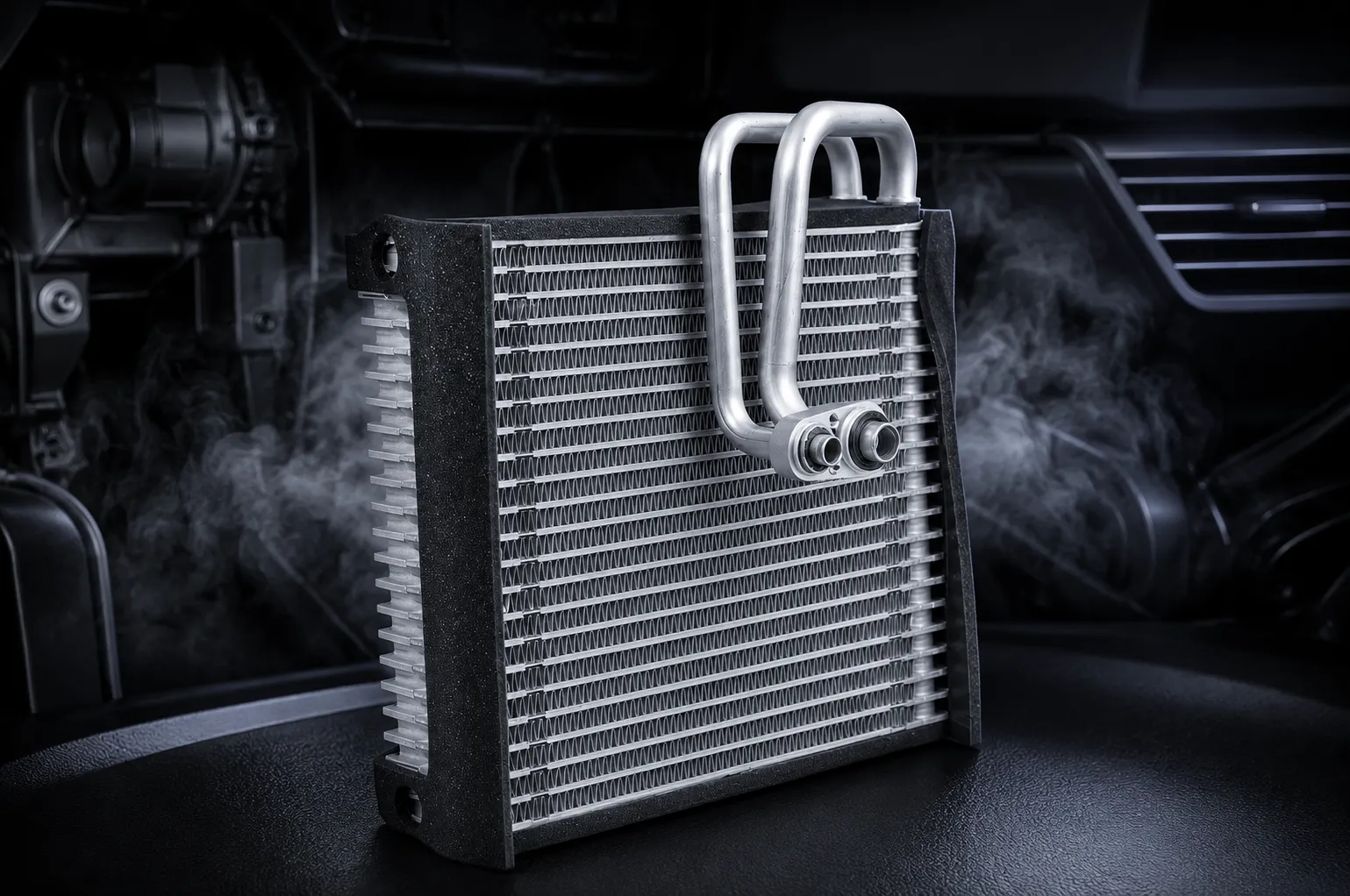
Measure the evaporator block face, bolt spacing, dowel location, gasket outline, and available tool clearance. Include the HVAC case or pipe position when the valve is installed in a confined cavity. A replacement that fits a loose bench fixture may become impossible to torque after the evaporator and case are assembled.
For right- and left-hand-drive variants or different climate zones, keep separate application records until the physical interface is proven common. Do not use a single “fits all” label to hide a different outlet angle or sensor arrangement.
Read an automotive block expansion valve as a port map
When the search term automotive block expansion valve appears in a purchasing request, translate it into measurable fields: inlet and outlet roles, center distances, port axes, seal depth, mounting face, sensing method, and refrigerant. The map gives the warehouse and technician the same reference view and reduces errors caused by rotated photographs or reused generic descriptions.
Keep a “not confirmed” field for dimensions that still require a sample. This is especially important when an automotive block expansion valve is being cross-referenced from an OE number but the original drawing is unavailable. The supplier can then answer a focused question instead of receiving an open-ended request for “the same valve.”
Resolve thermostatic behavior before quoting capacity
Some block valves use a thermostatic sensing element, while other expansion devices use a different control principle. Identify the actual device type, sensing location, and adjustment or calibration status. Do not promise a capacity value without the test conditions and system context behind it.
If the buyer is replacing a failed valve, collect the failure symptoms and system measurements: low- and high-side pressure, vent temperature, compressor command, evaporator temperature, and evidence of moisture or debris. These details help separate a valve restriction from a compressor, condenser, fan, or charge problem.
Build a contamination and installation control
Expansion valves contain small passages that can be affected by particles, desiccant dust, excess sealant, or moisture. Define flushing responsibility, receiver or accumulator condition, vacuum procedure, oil handling, and protective-cap removal. A replacement valve cannot compensate for a contaminated circuit.
Use a clean bench, capped hoses, lint-free handling, and a documented torque method. Record whether the valve was installed with new seals and whether the system was evacuated and leak checked. These steps are useful warranty evidence if the same symptom returns.
Ask a supplier to return a port map, not just a part number
An RFQ response should include the part number, OE or interchange references, port function, dimensions, seal kit, refrigerant assumptions, application boundaries, sample status, inspection points, packaging, and open deviations. Request a marked drawing or annotated photograph showing flow direction and the installed face.
The SAE J639 reference can frame motor-vehicle refrigerant-cycle safety discussions; it is not a product approval for an individual valve. Keep system requirements, supplier evidence, and vehicle validation in separate fields.
A short, controlled response for an automotive block expansion valve should also show what is inside the carton and what the installer must transfer. Include caps, seals, screws, brackets, and instructions as explicit yes or no fields. That level of detail makes supplier quotations comparable and keeps aftermarket listings accurate.
Use a three-stage sample decision
Stage one is identity: the sample matches the drawing, part mark, port map, seals, and packaging. Stage two is installation: it reaches the evaporator face without forced alignment, and each line can be torqued without strain. Stage three is operation: the system reaches the agreed pressure and temperature behavior under defined conditions.
Record the test vehicle, refrigerant, ambient, compressor state, fan state, charge, and measurement equipment. If the buyer owns the vehicle test, ZUA or the supplier should still receive the result and any deviation list before a broader application claim is published.
Keep variant records separate in the channel
Use the internal SKU, OE references, vehicle break point, port diagram, seal kit, and packaging revision as the minimum listing identity. If a later revision changes a port, material, or gasket, keep old and new inventory separated until the fitment record is updated.
For ZUA inquiries, the expansion devices and valves category provides the product context. Send the valve photographs, evaporator interface, vehicle details, refrigerant, OE reference, sample quantity, and target markets through the contact page. The broader product range and company profile help establish the supply relationship, while the application record controls the SKU decision.
Frequently asked questions
Is a matching bolt pattern enough to approve a block valve?
No. Confirm port roles, diameters, sealing depth, flow direction, sensing method, and application.
Why should ports be labeled by function?
Installed orientation can be ambiguous. Functional labels prevent a visually similar valve from being connected backwards.
Should seals be included with the valve?
State the supply scope. If seals are separate, identify their material, size, and intended port.
Can a valve from another refrigerant system be used?
Only after the refrigerant, operating range, material compatibility, and control behavior are confirmed for the application.
What causes a new expansion valve to leak?
Common causes include wrong seal depth, damaged gasket lands, poor alignment, contamination, or incorrect torque.
What pressure data helps diagnose a valve?
Record low and high side pressure, vent and evaporator temperature, compressor command, ambient, and charge condition.
Can a catalog interchange prove performance?
No. It identifies a candidate; defined system testing is needed to support a performance claim.
What should a sample inspection check first?
Check part mark, ports, dimensions, seals, caps, mounting face, and drawing revision before installation.
When should two valve variants use separate listings?
Separate them when port geometry, sensing, seals, refrigerant scope, vehicle break point, or installation differs.
Where can buyers request ZUA valve data?
Use the ZUA contact page with the vehicle, OE number, valve and evaporator photos, port measurements, and test requirement.
Approve the interface before the label
An automotive block expansion valve is ready for a replacement program when its port map, sealing stack, operating assumptions, fitment, sample evidence, and channel identity agree. That discipline turns a small, failure-sensitive component into a traceable sourcing decision and gives the installer a realistic path to a successful repair.