An AC compressor exporter China program succeeds when the product, documents, packaging, shipment terms, destination requirements, and claim responsibilities agree. Export readiness is not proven by the ability to issue an invoice or book a container. The supplier and buyer must control part identity, refrigerant and oil information, markings, packing, commercial documents, routing, inspection, and changes.
For a ZUA Auto Parts inquiry, use this framework to separate confirmed product data from buyer-owned validation and open questions before approving a sample or order.
This guide helps distributors, importers, service networks, and private-label brands prepare an automotive compressor shipment from China. It avoids universal tariff codes, duties, lead times, or customs promises because classification and import requirements depend on the exact goods and destination.
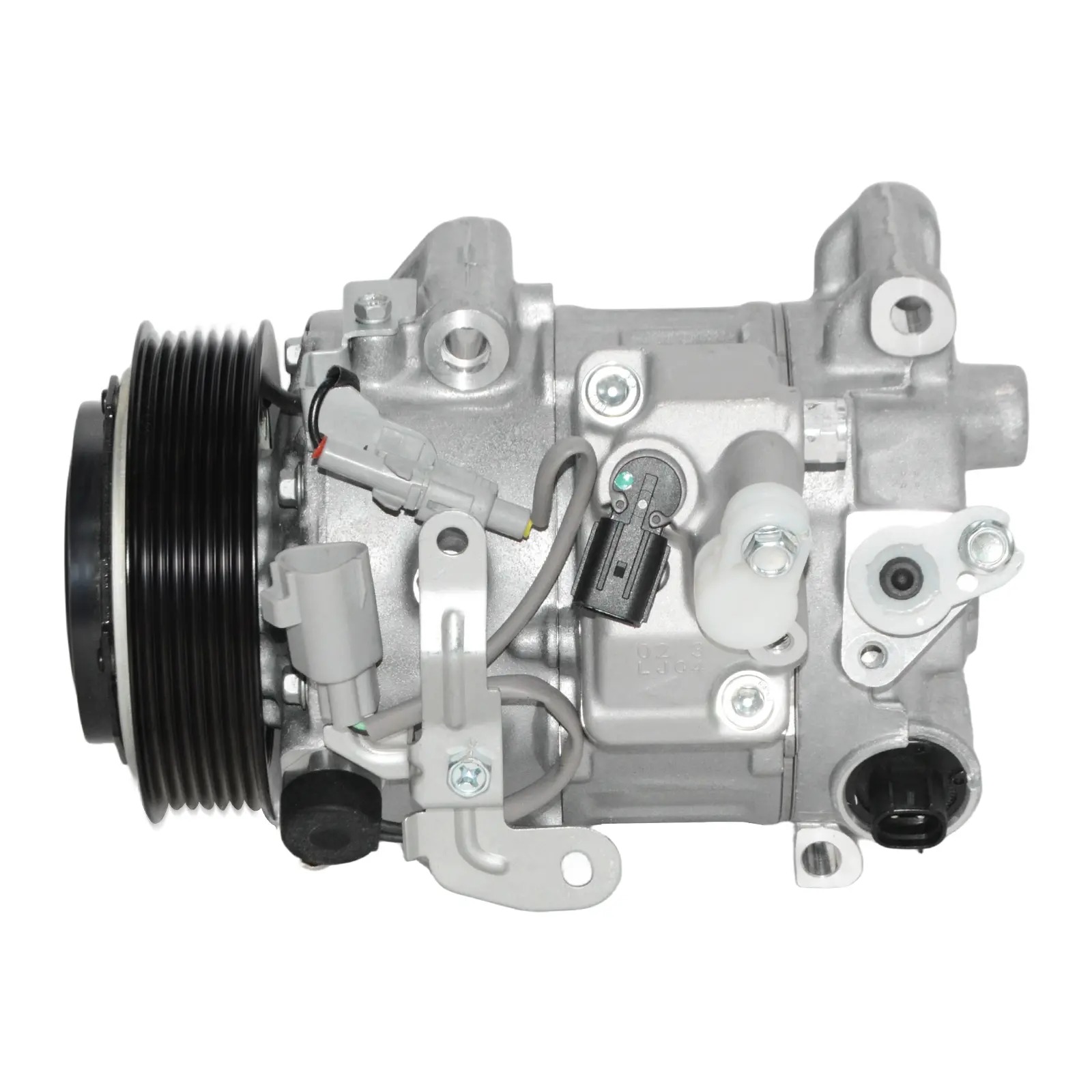
Freeze product identity before export planning
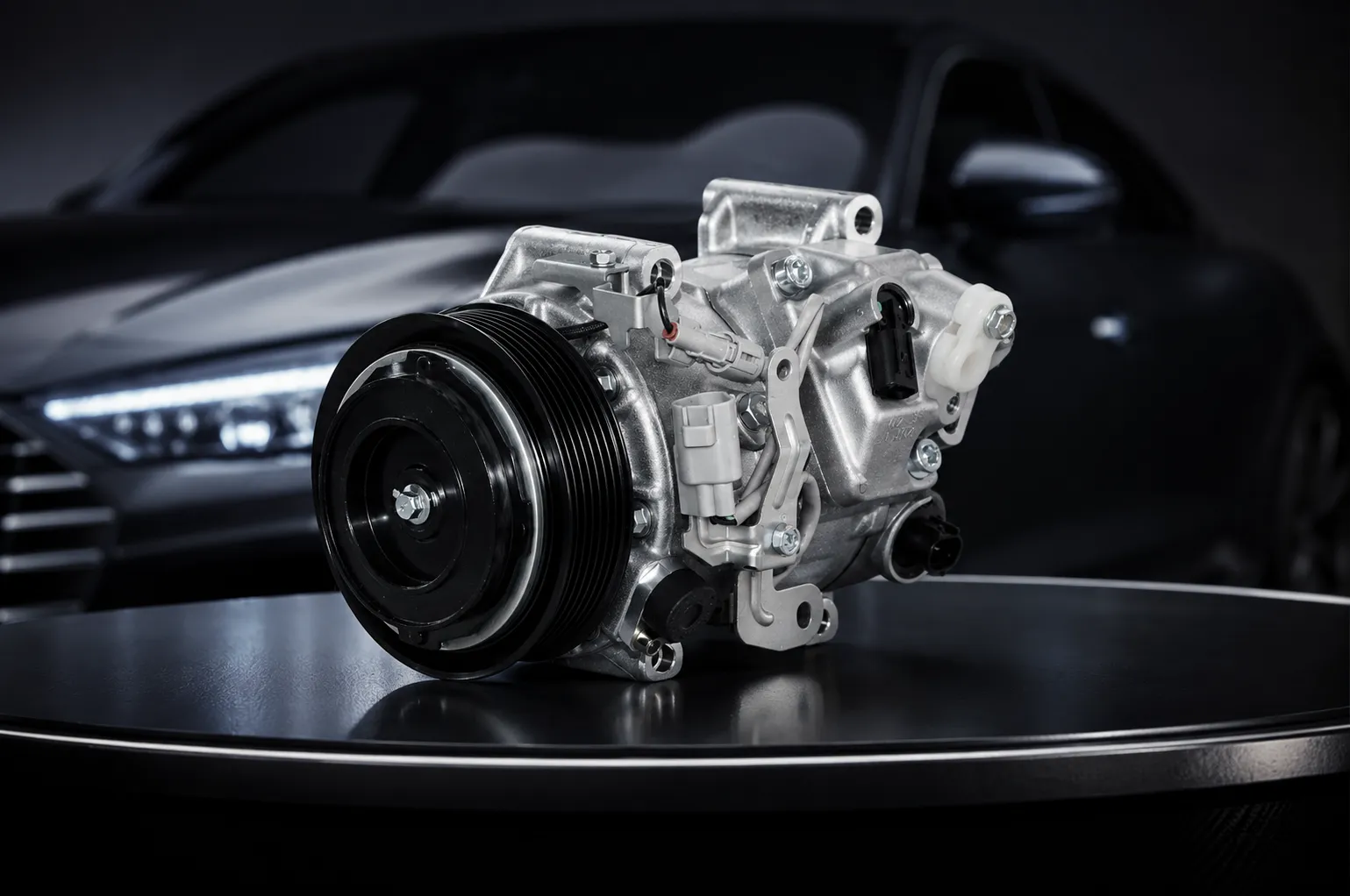
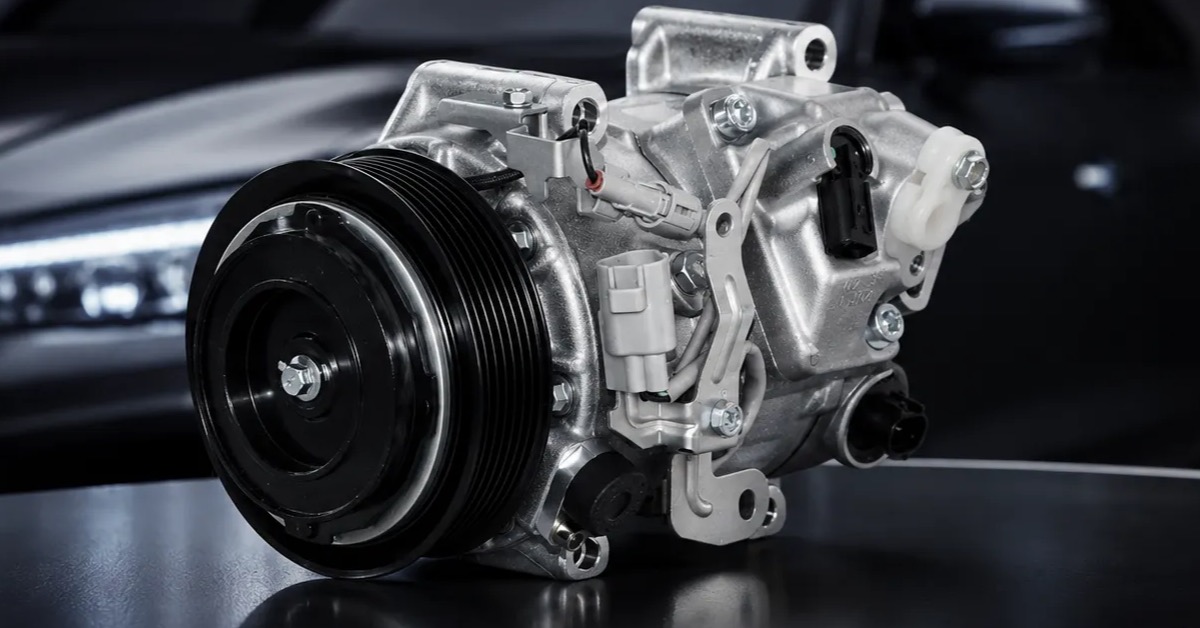
Record the compressor part number, revision, vehicle application, control type, displacement, pulley or clutch, mounts, ports, connector, refrigerant, oil, quantity, and approved sample. Link the product record to the quotation, purchase order, packing list, label, carton, and invoice description.
If the product is private label, freeze the brand, logo, barcode, country-of-origin statement, language, model number, artwork revision, manuals, and carton marks. Do not start mass printing while fitment, trademark, or destination-market wording remains open.
Build one shipment data sheet
| Data group | Required decision | Owner |
|---|---|---|
| Product | Part, revision, application, configuration | Engineering / product |
| Commercial | Quantity, currency, trade term, payment | Buyer / sales |
| Documents | Invoice, packing list, origin and other needs | Export / importer |
| Packaging | Unit box, carton, pallet, labels, protection | Packaging / quality |
| Logistics | Route, mode, consolidation, destination | Forwarder / buyer |
| Inspection | Release checks and evidence | Quality |
| Claims | Damage, shortage, wrong item, technical issue | Buyer / supplier |
Confirm destination requirements early
The importer should identify the destination country, consignee, customs requirements, labeling rules, restricted substances, product documentation, packaging rules, and any customer-specific conditions. The supplier should identify which documents it can provide and which require third-party, buyer, or authority action.
An AC compressor exporter China discussion should distinguish a supplier declaration, test report, certificate, customs document, and market authorization. Do not use the word “certified” when the document only states a material or process condition.
Classify the goods with the responsible parties
Provide the product description, function, construction, vehicle use, new or remanufactured condition, included parts, oil status, and packaging to the buyer's customs broker or qualified classification party. Preserve the classification decision and its basis with the shipment file.
A supplier can provide technical data, but the importer remains responsible for destination compliance under the applicable agreement and law. Avoid copying a code from a competitor invoice without confirming that the product and jurisdiction match.
Address compressor oil and transport information
Confirm whether the compressor contains oil, the oil type and quantity, whether refrigerant is present, and what transport documentation the carrier or forwarder requires. Keep safety and material information connected to the actual configuration. Do not assume all compressors have the same shipping treatment.
Share the information with the logistics provider before booking. A late discovery can change acceptance, packing, labels, route, or documentation. Record who approved the shipment method.
Choose the trade term by responsibility
Compare where delivery occurs, who books transport, who pays which costs, who handles export and import formalities, when risk transfers, who insures the goods, and which documents each party supplies. Use the agreed current Incoterms rule in the contract rather than informal phrases such as “door price.”
Normalize quotations before comparing them. A supplier price from the factory gate and a price delivered to a destination port include different responsibilities and risks. The lowest visible figure may not produce the lowest landed cost.
Design packaging for the route
Protect ports, connectors, pulley or clutch, mounting surfaces, labels, and oil containment. Define unit box, insert, bag, caps, desiccant where required, carton strength, pack quantity, pallet pattern, stretch wrap, edge protection, stack height, and container loading. The compressor should not become a load-bearing point.
Validate production-intent packaging through the expected route or a justified simulation. An AC compressor exporter China shipment may pass a short local delivery but fail during consolidation, repeated handling, humidity, vibration, or long storage.
Control mixed-model and consolidated shipments
For multiple SKUs, use a packing hierarchy that links unit, carton, pallet, and shipment. Keep different revisions or applications visually distinguishable. State carton quantity, net and gross weight, dimensions, pallet number, and purchase-order line.
When compressors ship with other automotive parts, check whether shared packing creates contact, moisture, crushing, or identification risks. Consolidation savings should not destroy traceability or damage protection.
Prepare a pre-shipment inspection plan
Define inspection timing, sample method, part identity, quantity, appearance, ports, connector, pulley, label, packaging, carton marks, documents, and seals. Add model-specific functional or test-record checks where agreed. The plan should distinguish product release from container loading supervision.
Keep photographs with date, lot, carton, and pallet identity. If an issue is found, record containment, reinspection, rework approval, document correction, and release authority before shipment.
Reconcile documents before cargo departure
Compare purchase order, invoice, packing list, shipping instruction, product labels, carton marks, certificate references, and booking data. Check company names, addresses, quantities, values, currency, weights, dimensions, part numbers, country statements, and consignee details.
Document discrepancies are easier to correct before cargo leaves. Use a controlled draft review with clear owners and an approval cutoff rather than exchanging several untracked email versions.
Plan receipt and claim evidence
Tell the receiving warehouse what to inspect: container or parcel condition, seal, pallet, carton, moisture, impact, quantity, labels, part identity, caps, connectors, and visible damage. Set a process for quarantine and photographs before cartons are discarded.
Separate shortage, wrong item, transit damage, packaging weakness, and technical product claims. Each needs different evidence and responsible parties. Define notification timing and escalation in the commercial agreement without inventing a universal warranty term.
Assess exporter and manufacturing responsibility
Confirm which legal entity manufactures, sells, invoices, exports, and handles claims. If a trading or logistics entity is involved, map the relationship and document flow. For ZUA, automotive A/C compressors are presented as the core manufacturing focus; other categories should be confirmed by program.
The IATF 16949 overview provides quality-system context. Export documents and shipment controls still need to be defined for the exact order.
Send a shipment-ready RFQ to ZUA
Include applications, OE references, compressor configuration, quantity by SKU, destination, importer details, required documents, packaging, labels, inspection, route, trade term, forecast, and target shipment window. Ask ZUA to identify missing inputs and assumptions before final quotation.
Browse the ZUA compressor category, review its factory information, and check the wider product range. Submit the qualified request through the ZUA contact page.
Create a controlled departure gate
Before cargo is handed to the carrier, hold one documented release review. Confirm that approved product quantities are complete, quality holds are closed, labels and cartons match the purchase order, inspection evidence is available, document drafts are reconciled, booking details are correct, and the forwarder has received the required product and oil information.
The gate should name the people authorized to release product, documents, and loading. If a late change affects consignee, route, pallet count, product revision, carton mark, or trade term, reopen the relevant checks instead of editing one file and assuming the rest remain correct.
For an AC compressor exporter China shipment, retain the signed release, final commercial documents, packing photographs, pallet identity, seal or tracking data, carrier handover, and departure notice. This file gives the receiving team a clear reference and supports faster investigation if shortage, damage, delay, or document discrepancy is reported.
Measure export performance after delivery
Review document corrections, customs questions, transit damage, shortage, wrong SKU, label errors, receiving delays, and technical claims by route and shipment. Assign causes separately to product, packing, warehouse, documents, booking, carrier, importer, or unclear evidence.
An AC compressor exporter China program improves when shipment lessons update the RFQ template, packing standard, document checklist, route decision, and receiving instruction. Do not close the loop with a general promise to “be more careful.”
Frequently asked questions
What information should be frozen before shipping compressors?
Freeze the part, revision, application, control, interfaces, oil, quantity, labels, packaging, documents, and approved sample.
Can buyers copy a customs code from another order?
No. Classification should be confirmed for the actual product and destination by the responsible qualified parties.
Why must compressor oil be declared to the forwarder?
Oil type, quantity, and product condition may affect carrier information, acceptance, packaging, or documentation.
What is the difference between product inspection and loading supervision?
Product inspection checks conformity; loading supervision checks the identified released cargo and loading condition. They serve different controls.
Should a buyer choose an Incoterm only by price?
No. Compare cost, booking, formalities, insurance, risk transfer, documents, and destination responsibilities.
How should mixed compressor models be packed?
Use controlled unit, carton, pallet, and shipment identity with clear quantities, labels, revision separation, and damage protection.
Does ZUA manufacture automotive A/C compressors?
ZUA presents piston-type automotive A/C compressors as its core manufacturing focus and provides company capability information online.
How can buyers request an export quotation?
Send the full product, destination, document, packaging, inspection, logistics, forecast, and commercial requirements to ZUA.
Choose an AC compressor exporter China program by readiness
A dependable AC compressor exporter China program aligns product identity, destination requirements, classification support, oil information, trade terms, packaging, inspection, documents, receiving, and claims. That preparation reduces preventable delays and helps convert a quotation into a controlled international shipment.