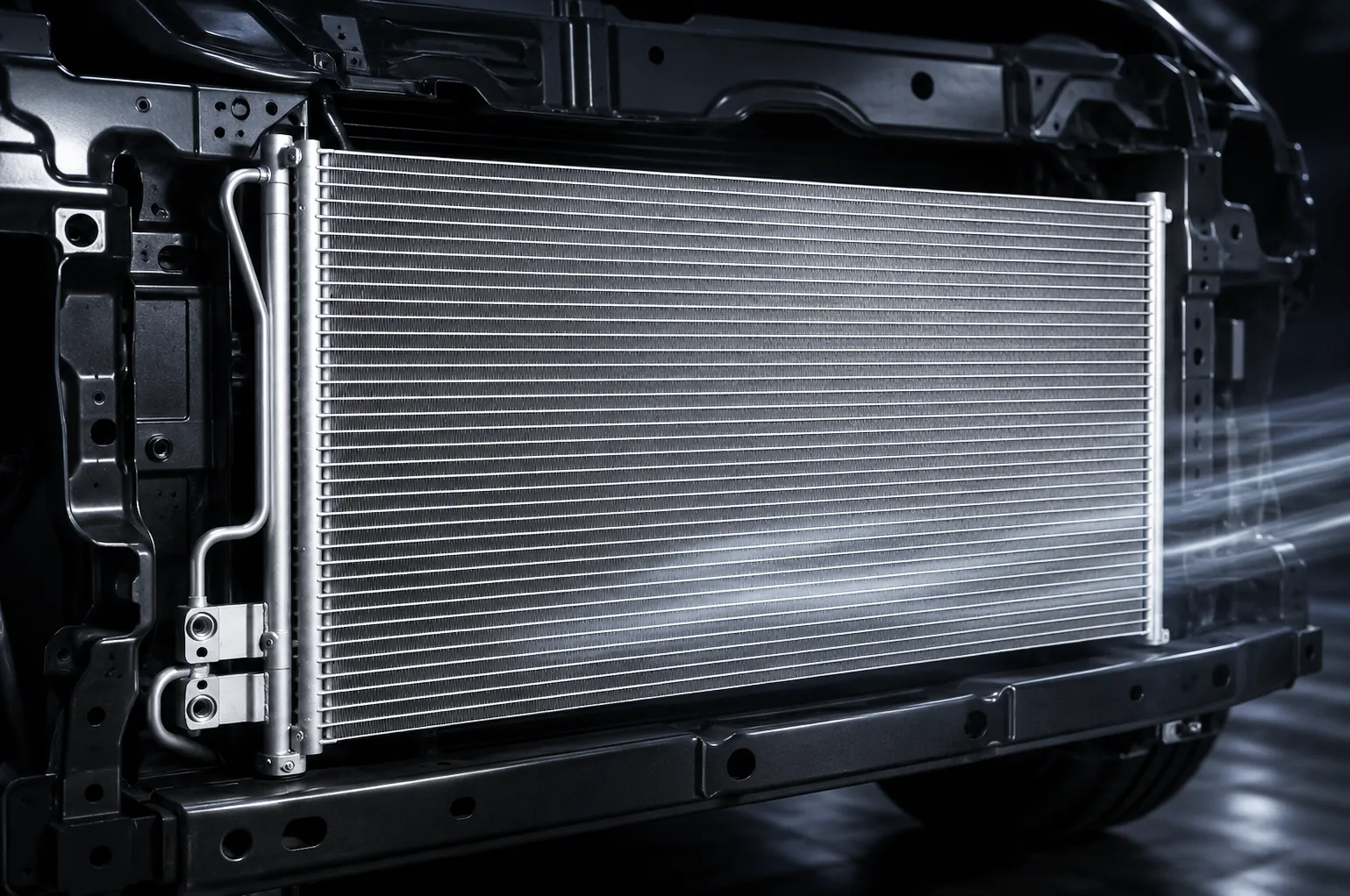
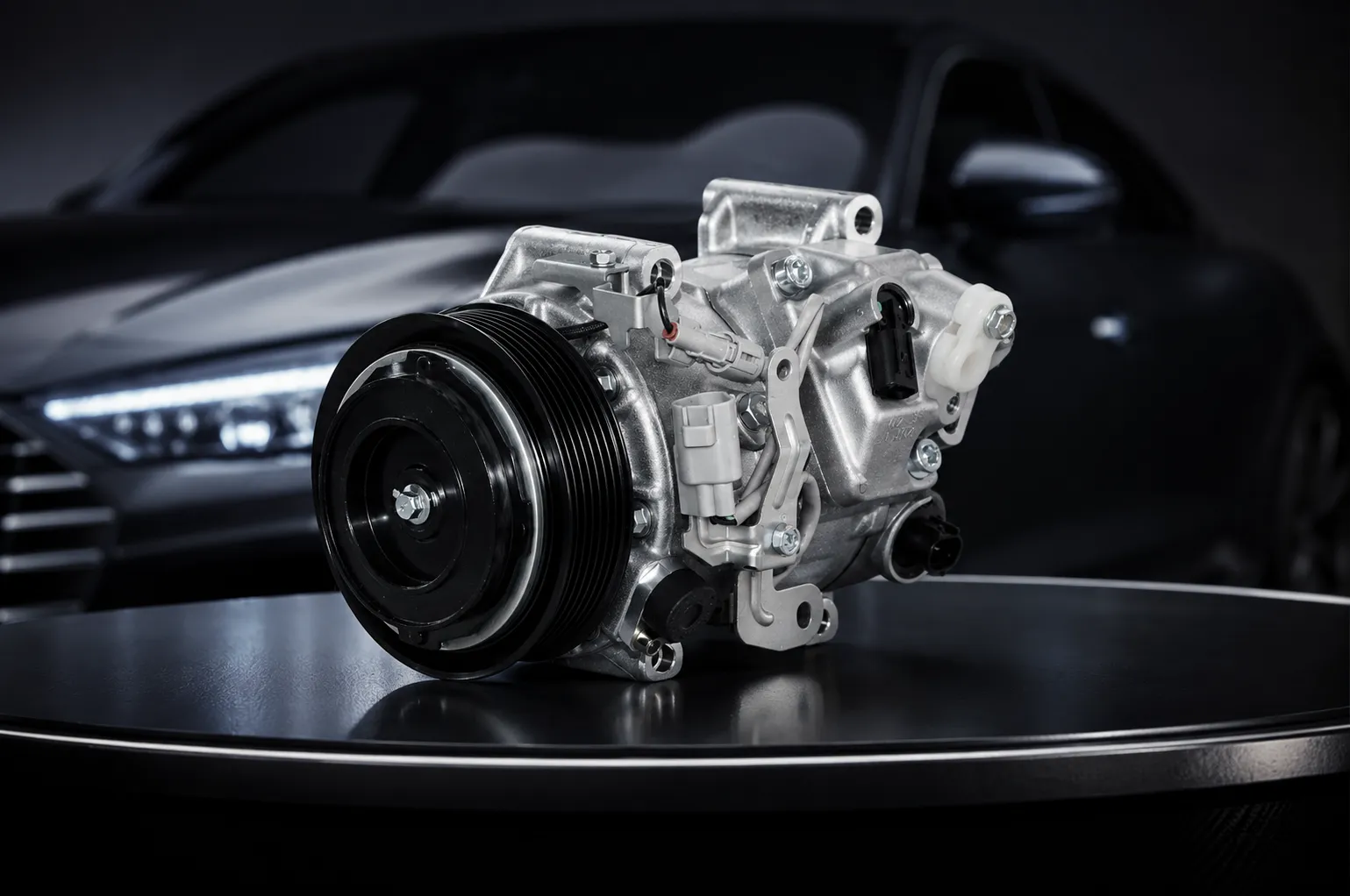
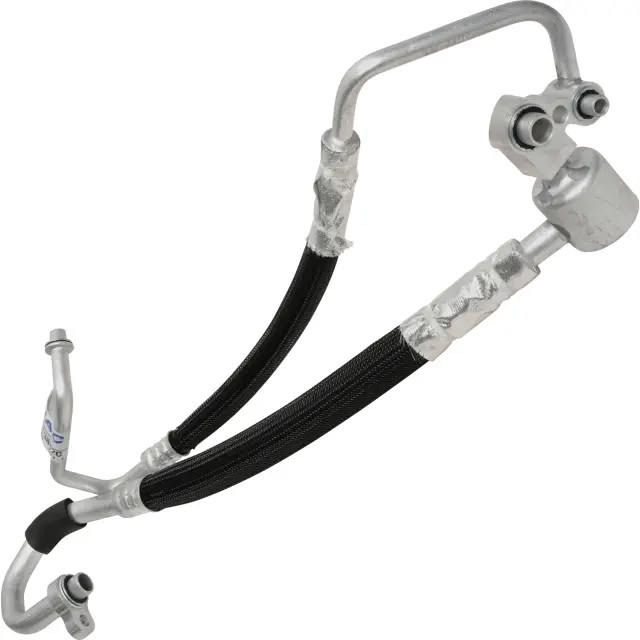
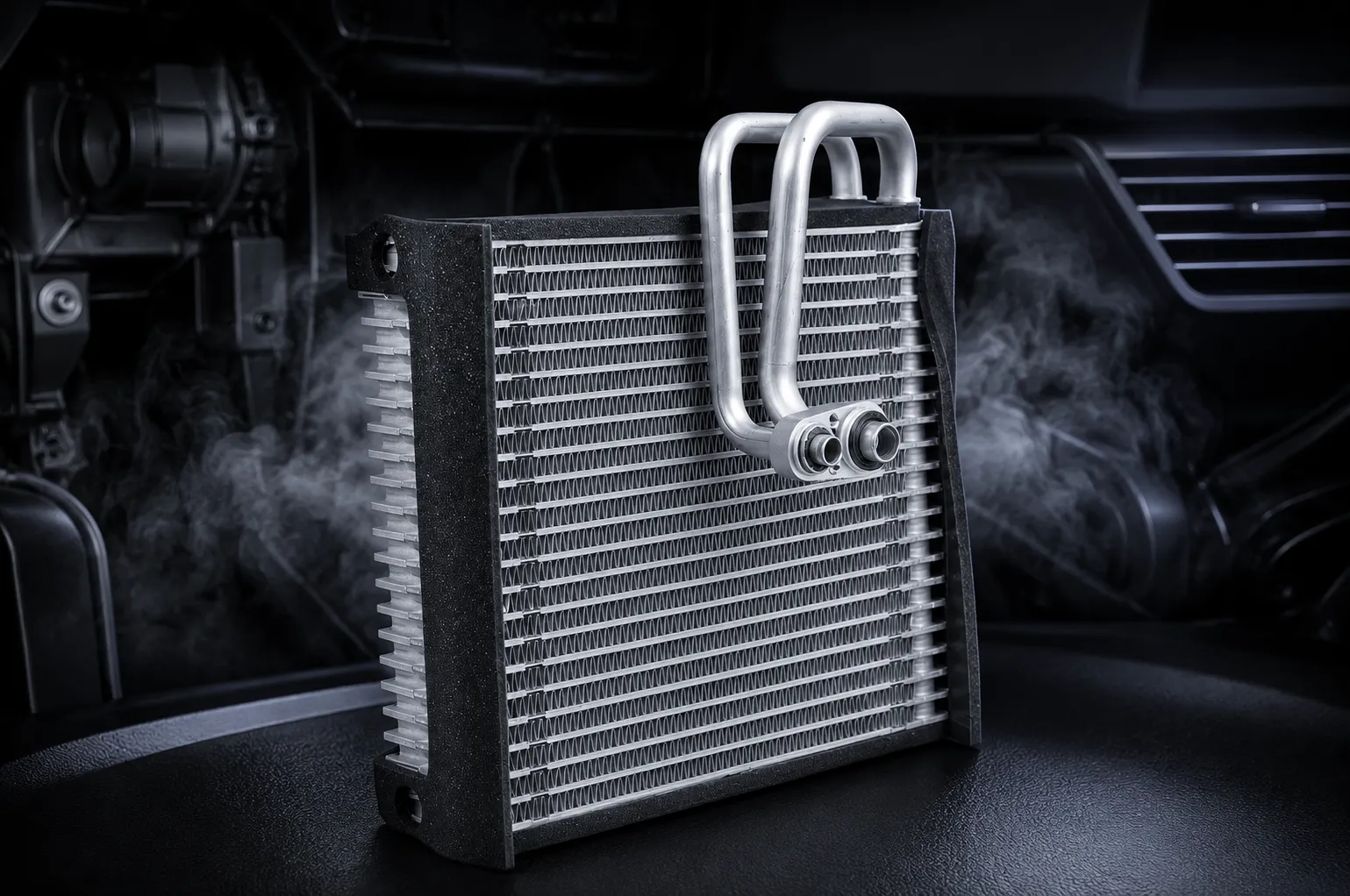
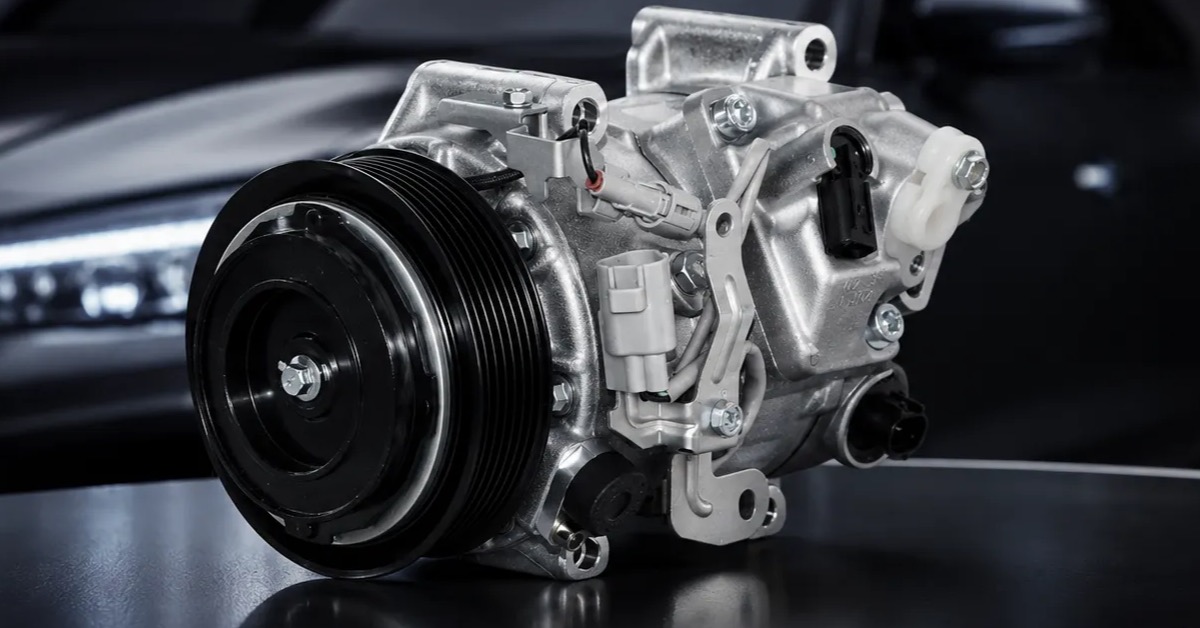
The automotive AC parts OEM development process converts a buyer's application need into a controlled, testable, and repeatable product. It should not begin with tooling or a price negotiation alone. Successful programs align technical requirements, commercial assumptions, validation, ownership, sample approval, production controls, packaging, and change management before volume orders are released.
This ZUA Auto Parts resource helps distributors organize the evidence needed before quotation; confirm the exact application, interfaces, tests, and supplied scope for every requested part.
This stage-gate guide is designed for vehicle programs, system integrators, importers, distributors, and private-label brands developing compressors or other mobile A/C components. Exact timing, MOQ, tooling cost, and validation scope depend on the part and must be quoted after feasibility review.
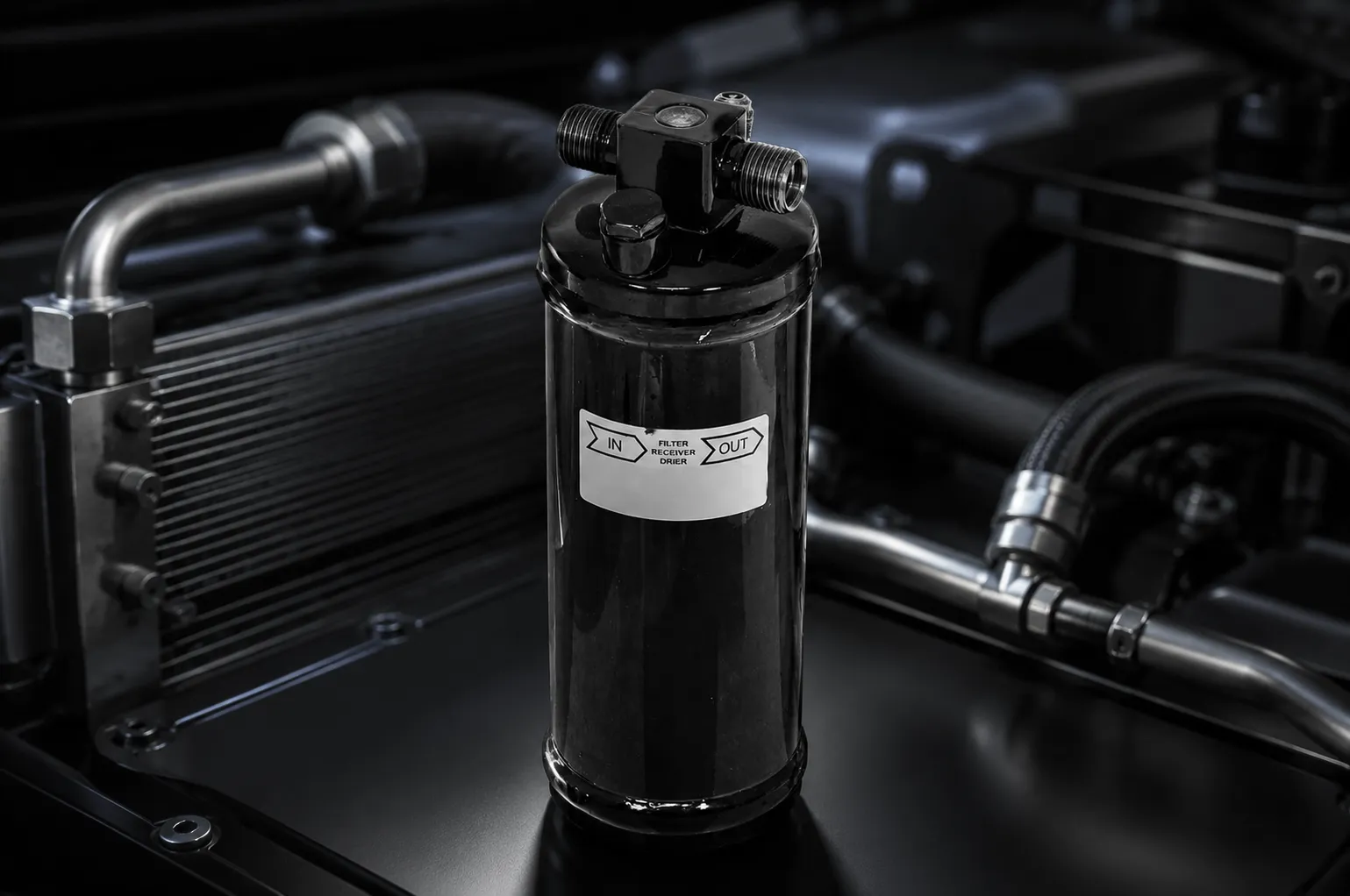
Automotive AC parts OEM development process overview
| Gate | Main output | Approval question |
|---|---|---|
| 1. Requirements | Controlled RFQ package | Is the application defined well enough to evaluate? |
| 2. Feasibility | Technical and manufacturing review | Can the supplier meet the requirements responsibly? |
| 3. Commercial alignment | Quotation and responsibility matrix | Are scope, assumptions, ownership, and costs clear? |
| 4. Design control | Drawings, BOM, critical characteristics | Is there one controlled product definition? |
| 5. Prototype | Identified samples and inspection data | Does the prototype represent the intended design? |
| 6. Validation | Approved test plan and results | Is there enough evidence for the intended use? |
| 7. Pilot build | Production-intent run | Can the process repeat the approved result? |
| 8. Release | Signed approval and order controls | Are product and process ready for volume? |
| 9. Lifecycle | Change and complaint controls | Will the approved condition be maintained? |
1. Build a complete RFQ package
The RFQ should define the buyer, application, demand pattern, technical data, validation expectations, packaging, target market, and required documents. For a compressor, include OE or reference numbers, vehicle and engine variants, mounting dimensions, pulley information, port orientation, connectors, control type, displacement, refrigerant, lubricant, and known operating conditions. For condensers, evaporators, valves, hoses, and driers, provide equivalent interface, material, dimensional, and performance requirements.
Separate mandatory requirements from preferences. Mark confidential files, ownership, and permitted use. If information is incomplete, list open questions instead of allowing assumptions to become hidden design inputs.
Recommended RFQ attachments
- Application and vehicle matrix;
- 2D drawing, 3D data, or controlled reference sample;
- Critical-to-quality characteristics;
- Performance and validation specification;
- Forecast, launch quantity, and order pattern;
- Packaging, labeling, and market requirements;
- Required quality documents and approval format.
2. Complete technical and manufacturing feasibility
The supplier's engineering, quality, production, sourcing, and commercial teams should review the RFQ together. Feasibility must address product function, tolerances, material availability, tooling, process capability, test capacity, sub-suppliers, intellectual property, regulatory or customer-specific requirements, and schedule risk.
The IATF 16949 framework was developed for common quality-system methods across the automotive supply chain. For an OEM project, buyers should verify that the supplier's quality-system scope covers the responsible site and that project controls are visible in daily work.
A strong feasibility response distinguishes confirmed capability, development work, external dependencies, and unresolved risk. A quick "yes" without stated assumptions can create expensive changes after tooling or samples begin.
3. Align the quotation and responsibility matrix
The quotation should identify product scope, tooling, fixtures, testing, sample quantities, packaging, quality documentation, freight assumptions, taxes or duties where applicable, payment terms, and validity. Because product complexity varies, the automotive AC parts OEM development process should not use an assumed universal MOQ or lead time.
Create a responsibility matrix for drawings, design calculations, tooling ownership, test methods, validation samples, third-party testing, packaging artwork, labels, vehicle trials, and final approval. Clarify whether the project is build-to-print, co-developed, modified from an existing platform, or a private-label version of a validated product.
4. Freeze the controlled design inputs
Before prototype production, establish one approved revision of the drawing, bill of materials, interfaces, critical characteristics, and test requirements. Define how changes are requested, reviewed, approved, and recorded. This prevents the quotation drawing, sample drawing, and production drawing from silently diverging.
For compressor projects, the supplier may assess fixed-displacement, internally controlled variable-displacement, or externally controlled variable-displacement platforms. ZUA publishes BVC, BFC, TM, BV5, and BV6 compressor families with displacement ranges suited to different application needs. Platform selection still requires model-specific engineering confirmation through the compressor product page.
5. Manufacture identified prototypes
Every prototype should have a unique identity linked to its drawing revision, material condition, process route, inspection data, and any deviations. A hand-built sample may demonstrate fit or concept, but it does not automatically prove production capability. Record which operations used production-intent tooling and which were temporary.
Review dimensions, interfaces, workmanship, cleanliness, identification, packaging, and agreed functional results before shipping samples. If the buyer provides a reference part, document which features are reference-only and which are controlled requirements. Reverse engineering without an approved application specification can reproduce an unknown condition.
6. Approve samples with a defined plan
Sample approval should answer three questions: Is it the correct design? Does it meet the agreed tests? Can the intended process reproduce it? The approval package may include a drawing, dimensional report, material information, process flow, control plan, measurement evidence, test results, packaging specification, and deviation list, depending on the program.
| Sample check | Buyer evidence | Common mistake |
|---|---|---|
| Identity | Part number, revision, lot or serial reference | Approving an untraceable sample |
| Fit and interfaces | Dimensional report and installation review | Relying only on visual similarity |
| Function | Agreed bench or system test | Using conditions unrelated to the application |
| Vehicle/system trial | Controlled installation and result record | Testing without documenting configuration |
| Packaging | Approved protection, label, and artwork | Leaving packaging until after production |
| Deviation | Written concession and expiration | Treating a temporary deviation as permanent |
7. Validate the automotive AC parts OEM development process
Validation should be risk-based and tied to the target application. For compressors, it may include defined performance, leak, noise, vibration, durability, and other customer-required checks. For heat exchangers or flow-control components, the parameters and fixtures will differ. The plan should state samples, conditions, duration or cycles, measurements, acceptance criteria, and responsibility.
ZUA states that its laboratory supports compressor performance, durability, vibration, noise, and after-sales analysis. Buyers should request the test plan and results for the target model rather than infer validation from equipment ownership. Failed tests need documented containment, analysis, design or process action, and revalidation.
8. Run a production-intent pilot build
The pilot build tests the intended production system: released materials, tooling, operators, work instructions, cleaning, assembly, inspection, testing, identification, and packaging. Review line readiness, bottlenecks, cycle time, yield, rework, nonconforming material, and record completeness.
ZUA reports three compressor production lines, a 45-second takt, automatic cleaning, helium leak detection, full-performance testing, and abnormal-product isolation. A project team should still confirm available capacity, model mix, changeover, and control-plan execution for the proposed part number.
9. Release volume production
Production release should identify the approved part and process revisions, accepted sample, open deviations, packaging, labeling, forecast, first order, inspection plan, shipment documents, and escalation contacts. Confirm how first production lots will receive additional review and when normal sampling may begin.
The official ISO 9001 overview highlights customer focus, effective processes, and continual improvement. These principles are practical during launch: responsibilities should be clear, data should drive decisions, and early problems should be closed before volume increases.
10. Maintain the automotive AC parts OEM development process
The approved condition must be maintained after launch. Define advance notification and approval requirements for materials, sub-suppliers, dimensions, tooling, equipment, process location, test programs, packaging, labels, and software where applicable. Establish complaint response, containment, return analysis, corrective action, and effectiveness verification.
Periodic business reviews can cover quality, delivery, forecast accuracy, cost drivers, engineering changes, warranty findings, and upcoming applications. A useful partnership makes risks visible early instead of hiding them until a shipment or field complaint.
Frequently asked questions
How long does the automotive AC parts OEM development process take?
It depends on product complexity, available platform, tooling, information quality, validation, sample iterations, and customer approval. Request a stage-based schedule after feasibility review.
What is the MOQ for an OEM automotive AC part?
MOQ varies by part number, material, tooling, packaging, and production route. It should be confirmed in the project quotation rather than assumed from a different product.
Can buyers start from an OE number and sample?
They can start the review, but vehicle, engine, interfaces, operating requirements, and legal or intellectual-property responsibilities should also be clarified.
Who owns the tooling and drawings?
The contract and responsibility matrix should state ownership, maintenance, storage, permitted use, transfer conditions, and end-of-life handling.
Is one prototype enough for approval?
Not necessarily. Sample quantity should reflect dimensional, functional, validation, vehicle, packaging, and destructive-test needs, plus the risk of the project.
When is reapproval required?
Reapproval may be triggered by design, material, sub-supplier, tooling, process, location, test, or packaging changes. Define triggers in writing before launch.
Does ZUA support OEM and private-label projects?
ZUA presents OEM/OES, aftermarket, wholesale, distribution, and private-label cooperation as target services. Specific scope, MOQ, development cost, samples, and schedule require project review.
What should buyers send with the first inquiry?
Send application data, drawings or reference numbers, annual forecast, launch quantity, target market, test requirements, packaging needs, and desired approval format through the contact page.
Start with a controlled technical brief
A good automotive AC parts OEM development process reduces ambiguity at each gate. Review ZUA's wider automotive A/C and thermal-management product range, then submit a controlled brief so engineering, validation, commercial, and production responsibilities can be confirmed before samples begin.