An automotive AC parts private label supplier should protect more than a logo on a carton. The partner must control the approved product, application data, quality evidence, testing, traceability, packaging, labels, catalog references, changes, warranty analysis, and the production route behind every part number.
This ZUA Auto Parts resource helps distributors organize the evidence needed before quotation; confirm the exact application, interfaces, tests, and supplied scope for every requested part.
This guide is for distributors, importers, aftermarket brands, buying groups, and service networks building or expanding a private-label automotive HVAC range. It explains how to qualify suppliers without assuming that one company manufactures every item in a broad catalog.
Automotive AC parts private label supplier checklist
| Area | Buyer decision | Evidence |
|---|---|---|
| Product scope | Which categories and part numbers are included? | Controlled range and production map |
| Application data | Who approves fitment and cross-references? | Source, revision, and validation record |
| Quality responsibility | Who controls manufacturing, tests, and changes? | Site audit and responsibility matrix |
| Samples | Does the approved sample represent production? | Traceable submission and first-lot check |
| Brand packaging | Are protection, artwork, and labels controlled? | Approved pack specification |
| Catalog governance | How are additions, corrections, and obsolete parts managed? | Data owner and revision workflow |
| Warranty | Can returns be analyzed and corrected? | Written process and technical evidence |
| Commercial continuity | Are MOQ, lead time, inventory, and changes clear? | Part-specific agreement |
1. Define the private-label business model
Decide whether the program covers neutral products with branded packaging, a buyer-controlled specification, a supplier platform with custom labels, modified products, exclusive tooling, or new development. Define target markets, channels, annual forecast, launch phases, order frequency, service expectations, and who owns product and catalog decisions.
A written scope prevents “private label” from being treated as artwork only. The technical, quality, legal, and commercial responsibilities should be clear before packaging design starts.
2. Map each product to its real production route
For every category and key part number, identify the legal seller, design owner, manufacturing site, assembly site, test site, critical sub-suppliers, exporter, and warranty-analysis owner. A broad supplier may combine owned manufacturing, controlled partners, and traded items.
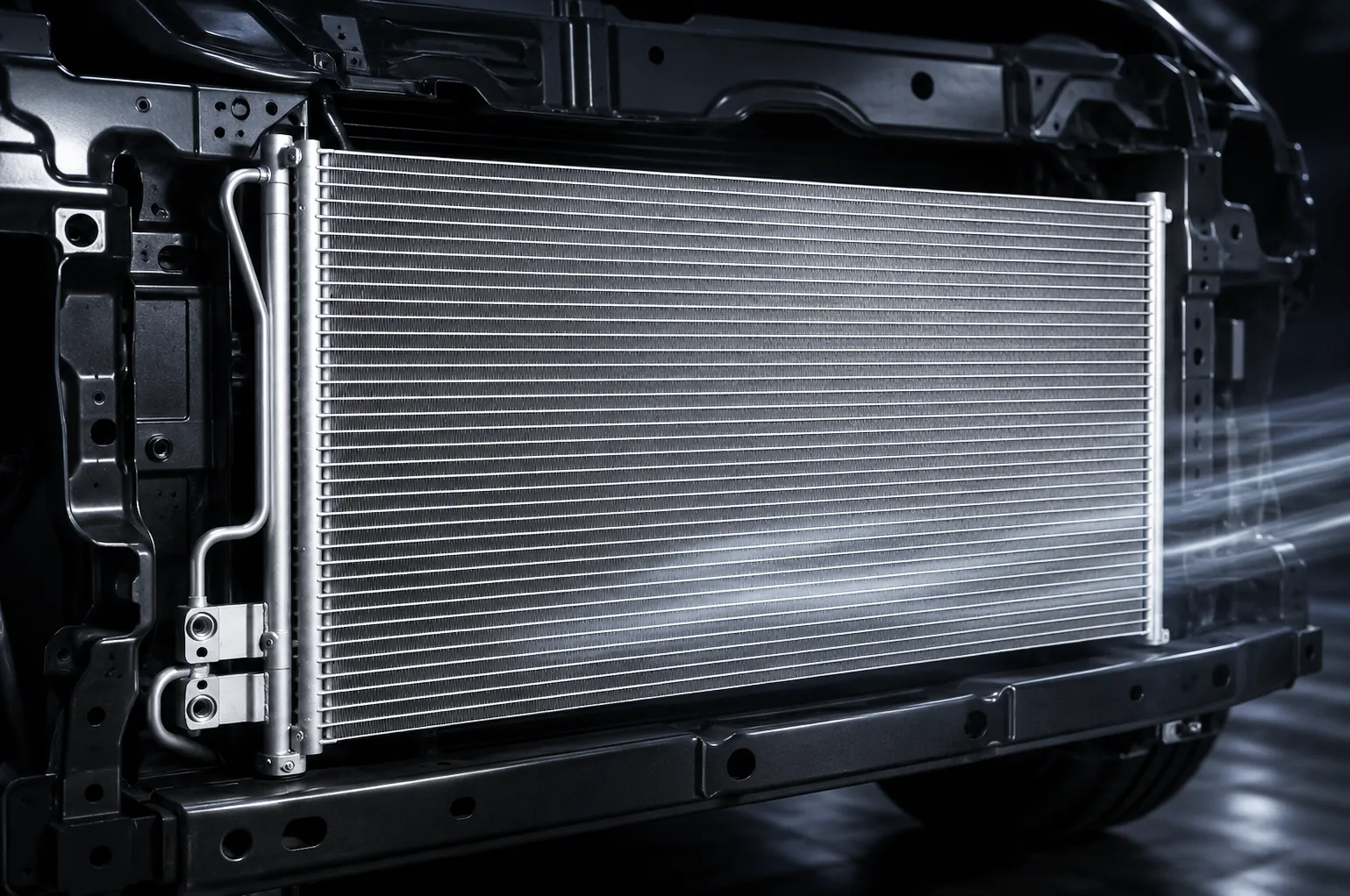
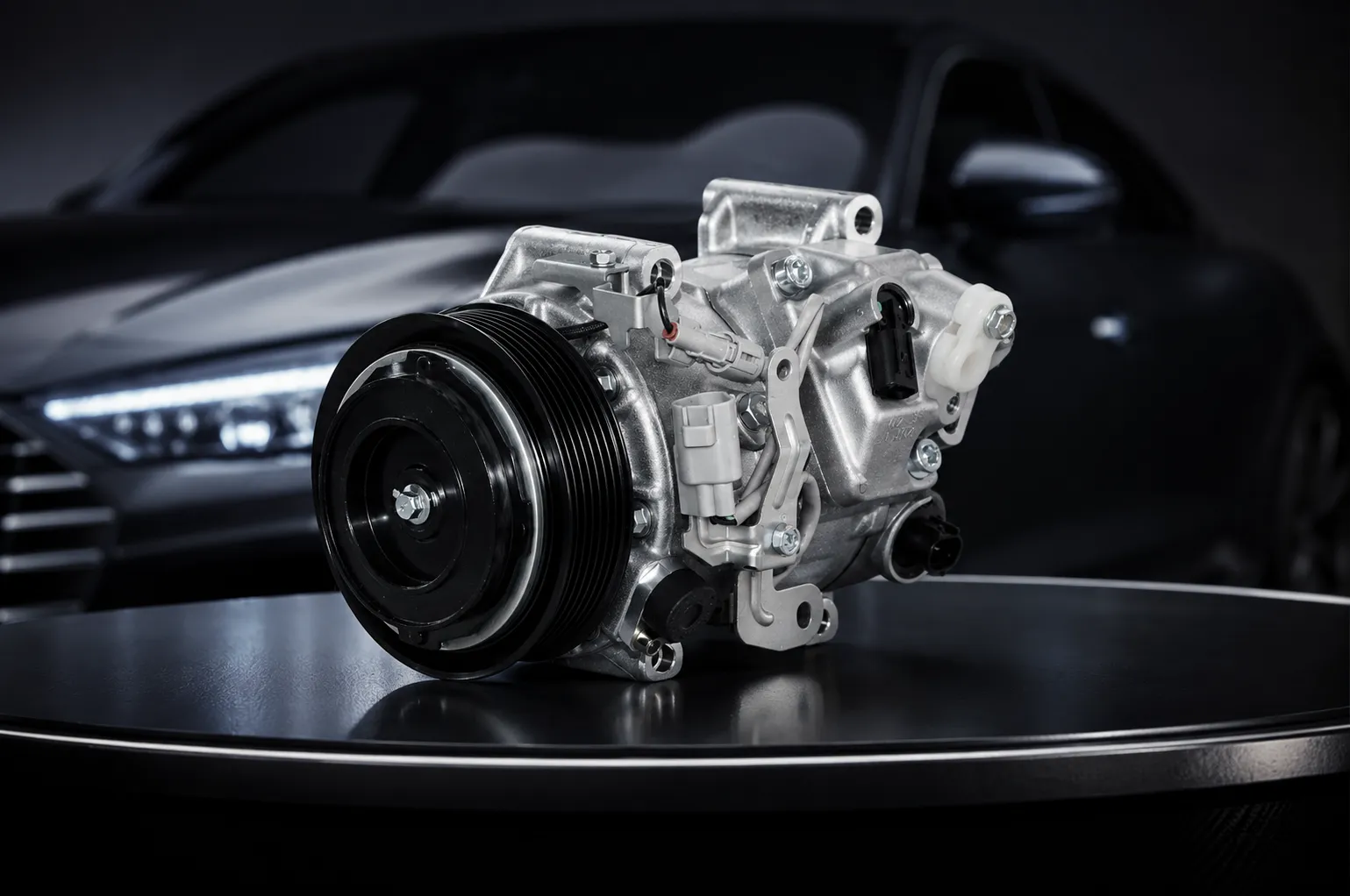
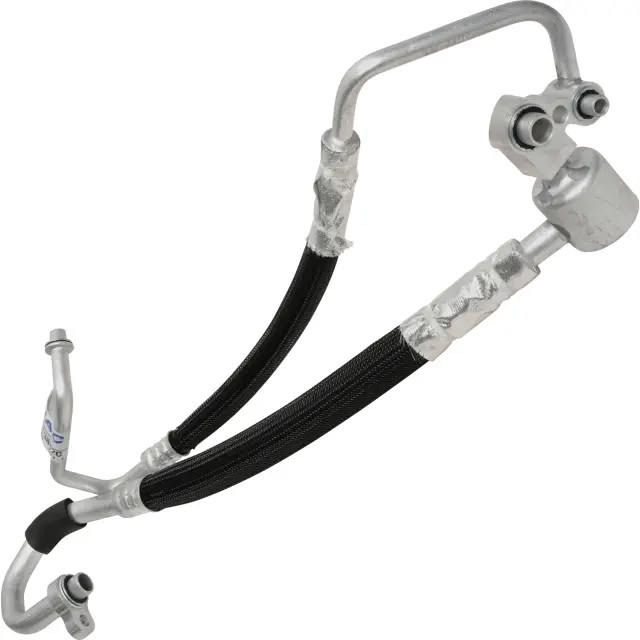
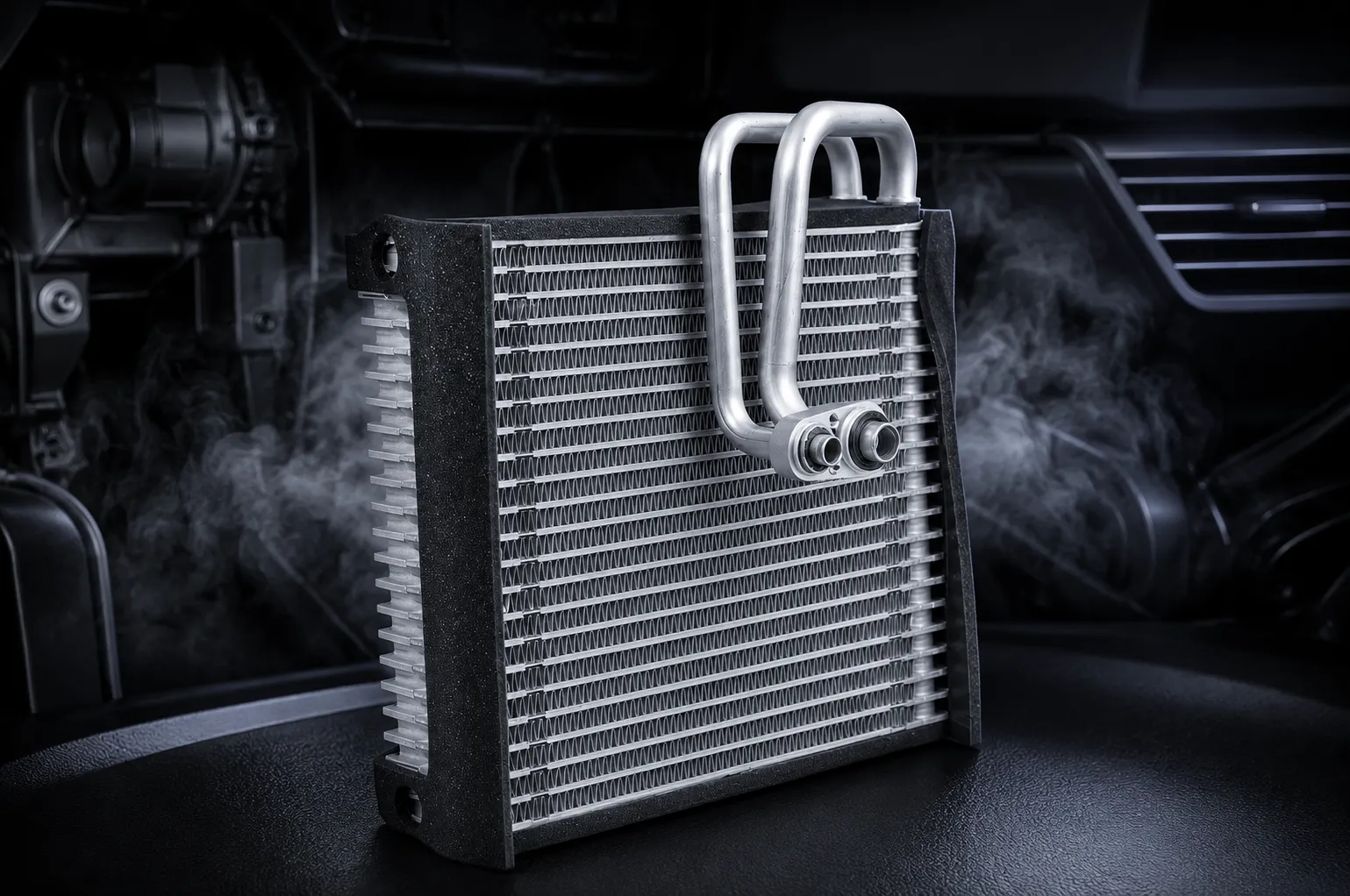
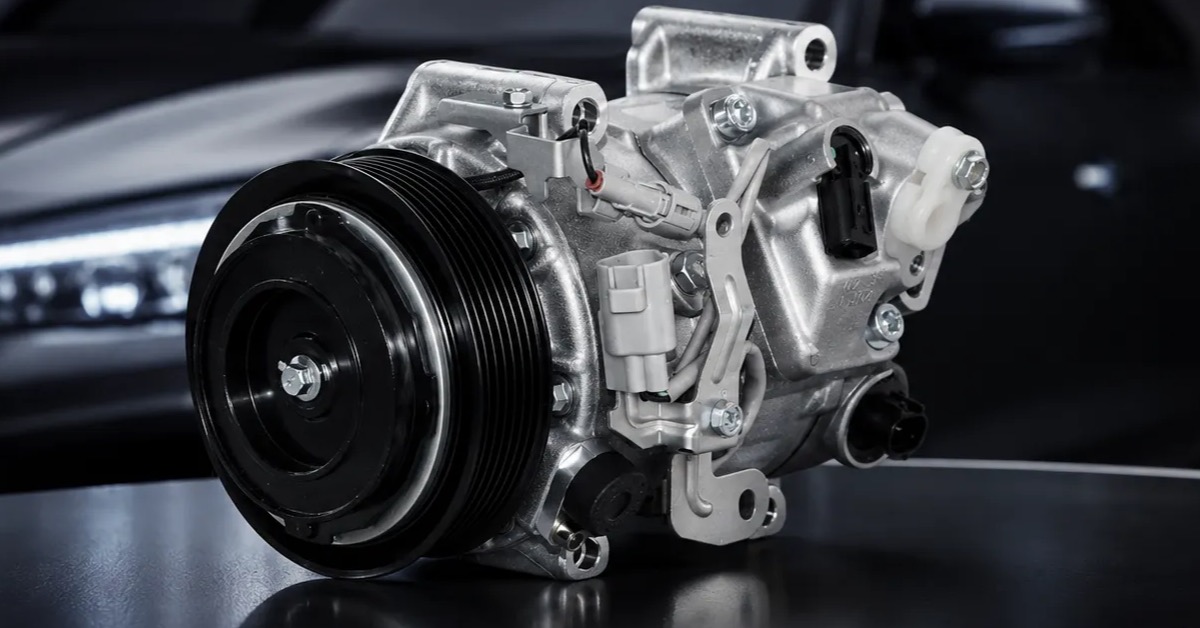
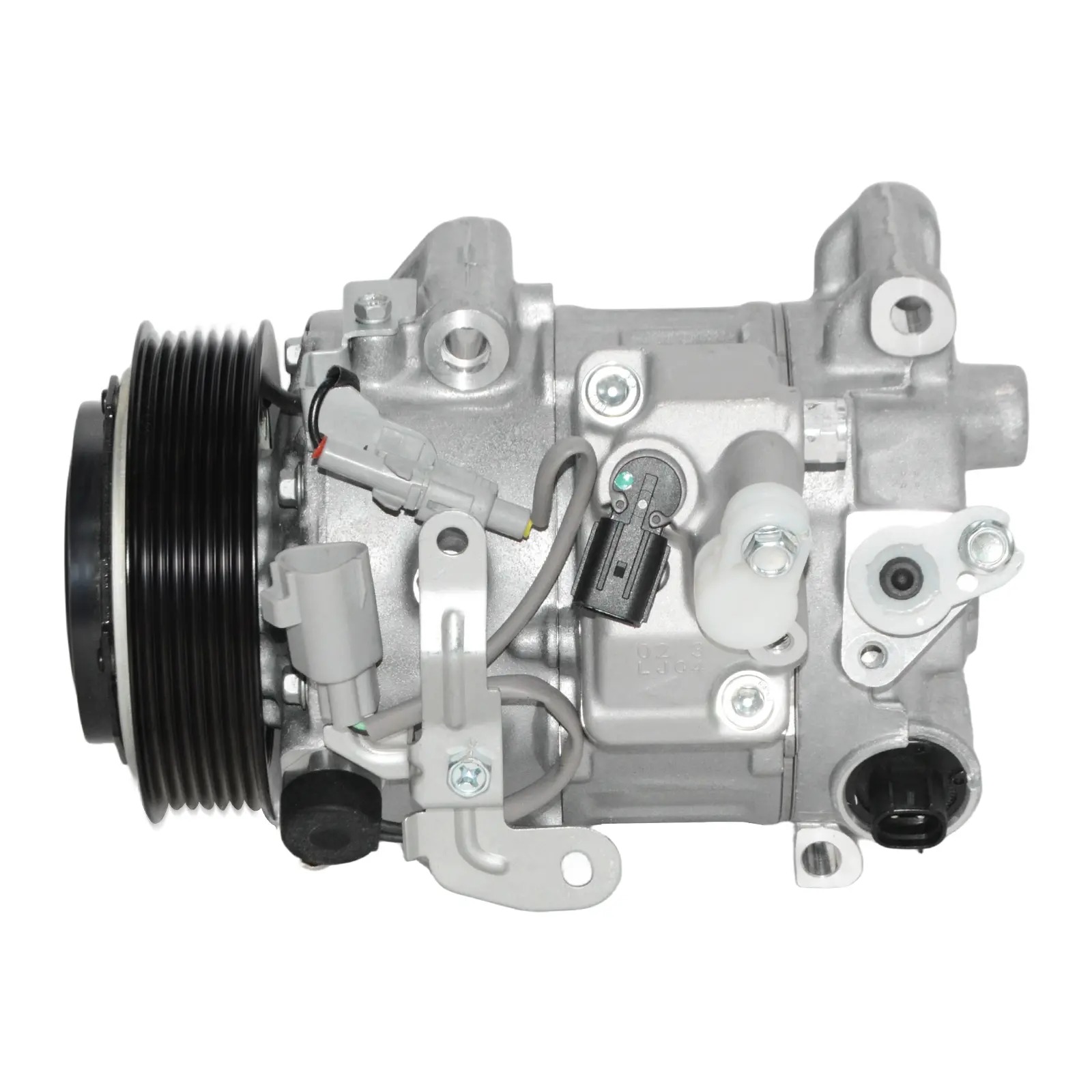
ZUA identifies automotive A/C compressors as its core manufacturing focus and lists condensers, evaporators, expansion devices, driers, hoses, blower motors, cooling-system components, and other parts in its product portfolio. Buyers should confirm the responsible route for each private-label category rather than transfer compressor factory evidence to every item.
3. Start with a controlled range, not the largest catalog
Prioritize part numbers by demand, vehicle coverage, technical confidence, availability, margin, return risk, and existing customer requests. A focused launch makes sample validation, artwork, inventory, and catalog review manageable. Add new references through the same approval gate.
An automotive AC parts private label supplier should be able to explain which initial references have the strongest technical and supply evidence, not simply offer the largest spreadsheet.
The automotive AC parts private label supplier should provide a range file with supplier part number, buyer part number, OE and cross-references, application, product status, revision, packaging, MOQ, lead time, and responsible site. Undefined or low-confidence references should not enter the live catalog.
4. Control application and cross-reference data
Fitment errors can create returns even when the physical part is well made. Establish the data source, fields, approver, revision, update frequency, conflict resolution, and validation level. Useful fields include make, model, year, engine, market, HVAC variant, OE number, interfaces, compressor control, refrigerant, voltage, and relevant dimensions.
Do not publish a cross-reference because two parts look alike or share one number. Record supersessions, exclusions, notes, and confidence. When workshop feedback reveals an error, correct the catalog and contain affected labels and stock.
5. Verify quality-system scope and product controls
The IATF 16949 overview explains the automotive supply-chain purpose of the standard. Request certificate number, site, scope, issuing body, and validity, then review incoming inspection, process controls, calibration, traceability, nonconforming isolation, corrective action, and change management.
ZUA states that its compressor production uses automatic cleaning, helium leak detection, full-performance testing, Andon and Kanban management, and abnormal-product isolation. For compressors, buyers should request the target model's control plan and records. For other categories, confirm the applicable site's actual process and tests.
6. Build category-specific evidence requirements
One checklist cannot prove every HVAC component. Compressors may require control, leak, performance, noise, vibration, and durability evidence. Heat exchangers require dimensions, joining, integrity, cleanliness, performance, corrosion, and packaging. Valves require sealing and flow response. Hoses require crimp, cleanliness, leakage, pressure, and routing. Electrical parts require current, speed, control, noise, thermal, and durability checks.
For each category, define the requirement source, test owner, method, sample revision, acceptance criteria, report, routine production controls, and change triggers. Avoid generic statements such as “100% tested” without the test stage and result.
7. Approve traceable samples and first lots
Samples should identify part, revision, lot, site, process condition, and deviations. Review dimensions, interfaces, materials, function, performance, required validation, packaging, labels, and application fit. Keep the approved evidence under revision control.
A first production lot should confirm that normal materials, tooling, operators, equipment, tests, and packaging reproduce the sample. This is especially important when launch samples received unusual engineering attention or prototype handling.
8. Design packaging for protection and brand control
Private-label packaging must protect the part through transport and warehouse handling. Control port caps, corrosion protection, fin protection, trays, dividers, carton strength, pallet pattern, orientation, and handling. Packaging for a compressor, condenser, valve, hose, or blower motor cannot be assumed identical.
Approve logo, colors, typography, barcode, buyer part number, application reference, batch identity, origin statement, warnings, instructions, and translation. Artwork files need version, owner, approval, and obsolete-stock controls.
9. Protect trademarks, data, and tooling
Define authorization to use brand assets, confidentiality, ownership of artwork, drawings, molds, gauges, and catalog data, and restrictions on supplying branded goods. Keep signed approvals and controlled source files. Legal professionals should review trademark, labeling, product-liability, data, and import obligations for the relevant markets.
The automotive AC parts private label supplier should not print or change branded materials outside the approved order and revision. Clarify how rejected, obsolete, excess, and returned branded packaging or product is controlled.
10. Compare quotations on the same scope
Normalize unit price, MOQ, tooling, samples, validation, artwork plates, packaging, labels, inland transport, export charges, trade term, payment, lead time, mixed-order rules, and warranty support. State annual forecast, order quantity, destination, and price validity.
Calculate landed cost and inventory by part number. A low unit price can be offset by large MOQs, weak fitment data, slow range changes, damaged packaging, or untraceable returns.
11. Create an order and change workflow
Set rules for forecasts, purchase orders, artwork confirmation, pre-production checks, inspection, shipment release, document review, and urgent changes. Confirm which party approves substitutions and what happens when a component or site is unavailable.
Change notices should cover design, materials, components, sub-suppliers, tooling, equipment, process, software, tests, site, packaging, labels, and catalog data. Define notice timing, stock transition, validation, and buyer approval.
12. Build a useful warranty and return-analysis process
Agree on warranty scope, installation conditions, claim data, photos, part identity, batch, vehicle, failure description, freight, return authorization, analysis timing, credit or replacement, and corrective action. Differentiate confirmed product causes from application, installation, contamination, charging, electrical, or system causes using evidence.
Track returns by part number, application, failure mode, lot, customer, and root cause. Use findings to improve fitment data, instructions, product controls, packaging, and supplier decisions rather than treating every claim as an isolated credit.
13. Score supplier performance after launch
| Metric | What to review | Action signal |
|---|---|---|
| Application accuracy | Fitment corrections and misapplication returns | Catalog review or containment |
| Quality | Defects, leak or functional failures, repeat causes | Corrective action and revalidation |
| Delivery | On-time, complete, documentation, damage | Capacity or logistics recovery |
| Change discipline | Timely notices and approved transitions | Escalation or sourcing review |
| Technical support | Response quality and return analysis | Support improvement plan |
| Commercial support | Quote accuracy, MOQ, mixed orders, continuity | Range and inventory adjustment |
Frequently asked questions
What is a private-label automotive A/C parts program?
It supplies approved products under the buyer's brand, packaging, labels, and catalog while defining technical, quality, legal, and commercial responsibilities.
Should one supplier provide every HVAC category?
Not necessarily. Buyers should choose the structure that provides transparent responsibility, relevant capability, controlled data, and reliable service for each category.
Who is responsible for fitment data?
The agreement should name the source, reviewer, approver, update process, and buyer-side validation. Responsibility should not remain implicit.
What should private-label sample approval include?
Review product identity, revision, fitment, dimensions, materials, tests, validation, deviations, packaging, labels, artwork, and first-lot controls.
Can packaging artwork be approved separately from the part?
Artwork can have its own approval, but the final packed product should also be checked for protection, correct identity, barcode, application, and revision.
How should MOQ be evaluated?
Review MOQ by part and packaging, forecast, inventory turns, mixed orders, production constraints, artwork, and obsolescence risk rather than one catalog-wide number.
Does ZUA support private-label cooperation?
ZUA presents private-label, wholesale, distribution, OEM/OES, and aftermarket cooperation as target services. Exact products and terms require project review.
How can a buyer request a private-label quotation?
Send the target range, OE references, applications, forecast, markets, quality documents, tests, artwork, packaging, and service needs through the ZUA contact page.
Approve the automotive AC parts private label supplier by evidence
The right automotive AC parts private label supplier connects product responsibility, application data, category-specific quality evidence, traceable samples, brand packaging, catalog governance, warranty learning, and change control. That operating system protects both the buyer's name and the end customer's repair experience.