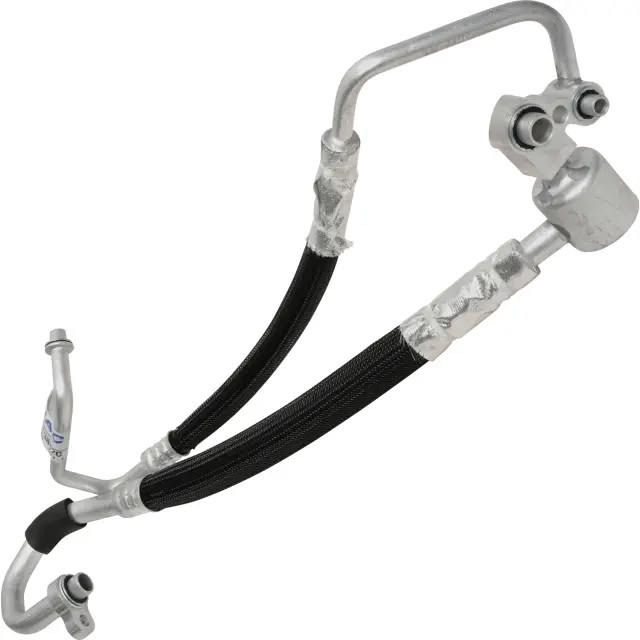
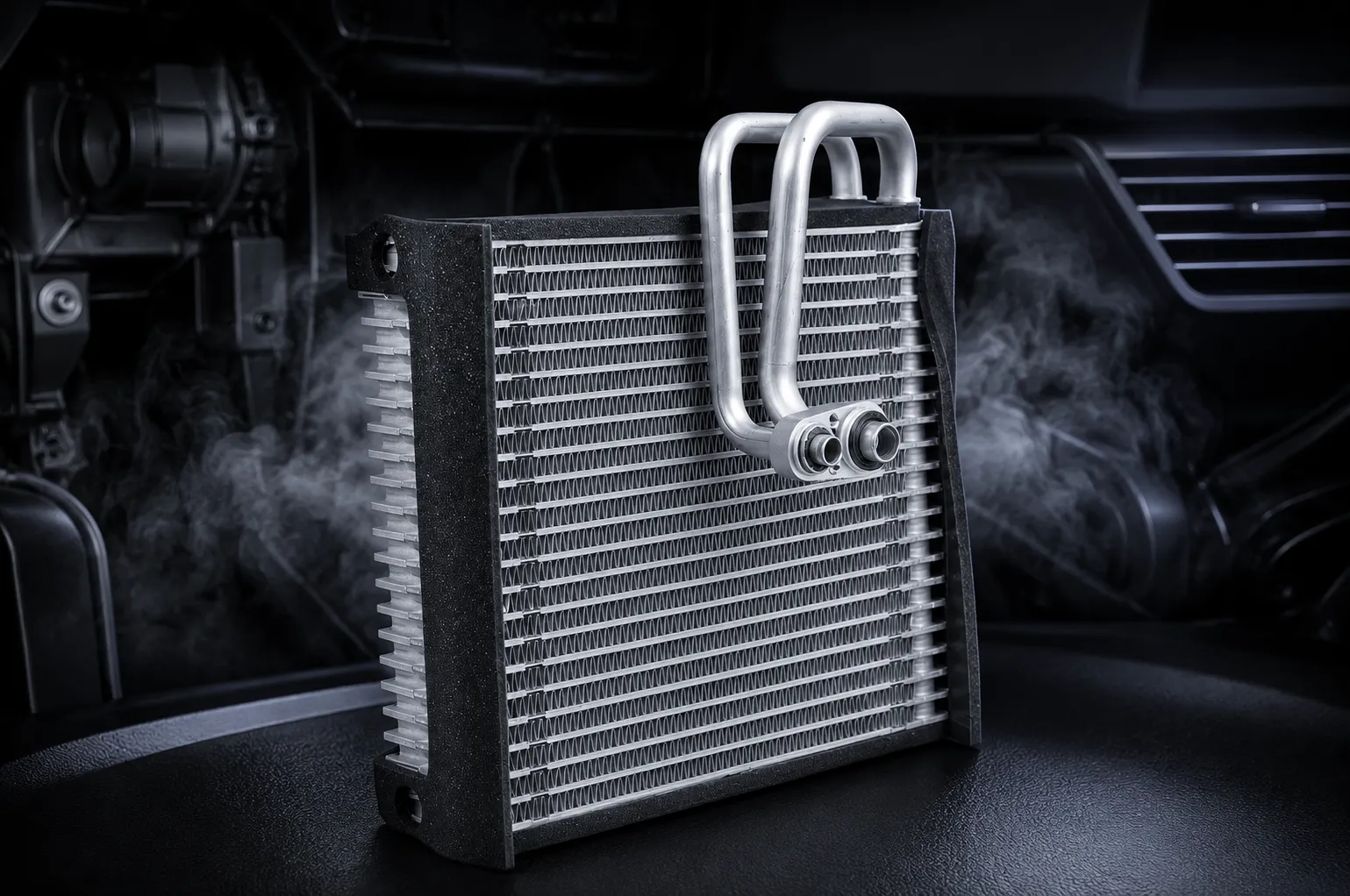
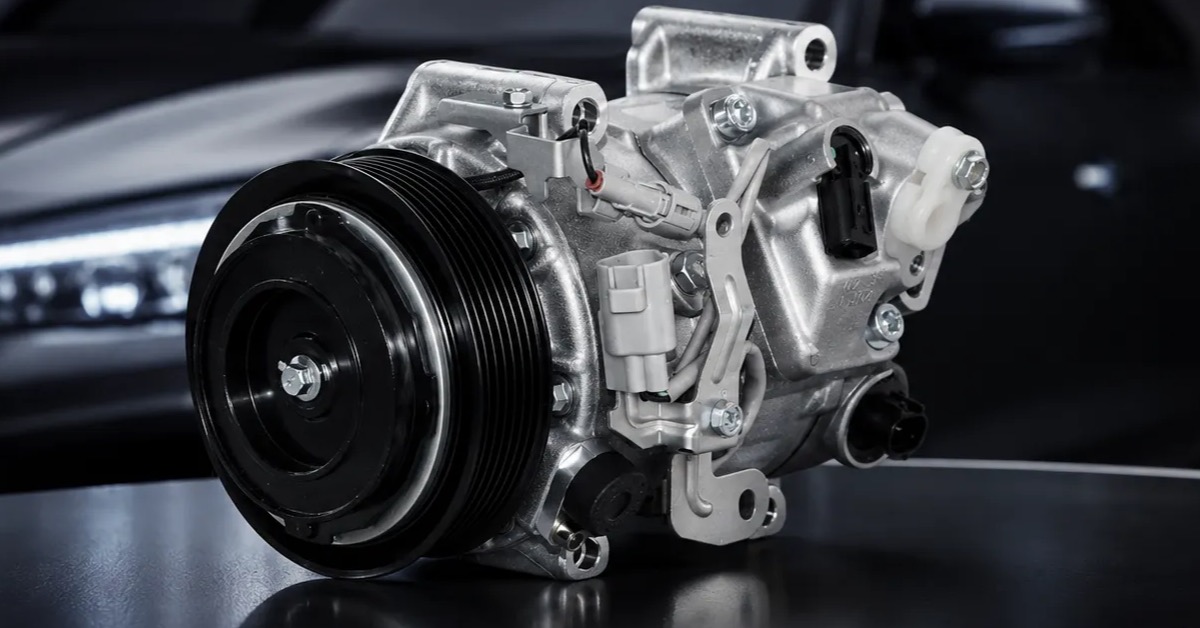
An automotive receiver drier wholesale program needs two disciplines at the same time: enough application coverage to serve customers and strict protection against moisture, contamination, fitment errors, aging packaging, and slow-moving stock. The best range is not the largest catalogue. It is a traceable set of validated SKUs supported by demand evidence, sealed storage, clear replenishment rules, and controlled supplier data.
For buyers sourcing through ZUA Auto Parts, this framework connects the technical question to a controlled product inquiry; exact fitment and quoted specifications remain SKU-specific.
This guide is for importers, regional distributors, private-label brands, e-commerce operators, and service-network buyers planning receiver drier and accumulator inventory. It avoids fixed order quantities, shelf-life claims, and reorder thresholds because those must come from the product specification, supplier evidence, market demand, and commercial agreement.
Design the range around service missions
Begin with the customers and repairs you serve. A local workshop network may value fast coverage of common vehicles. An export distributor may need market-specific applications and consolidated cartons. A condenser program may require driers bundled by matching application. A specialist may stock older platforms that broad retailers ignore.
Write the service mission before selecting part numbers. It defines desired breadth, depth, delivery promise, catalog detail, packaging, and acceptable slow-stock exposure.
Separate receiver driers from accumulators
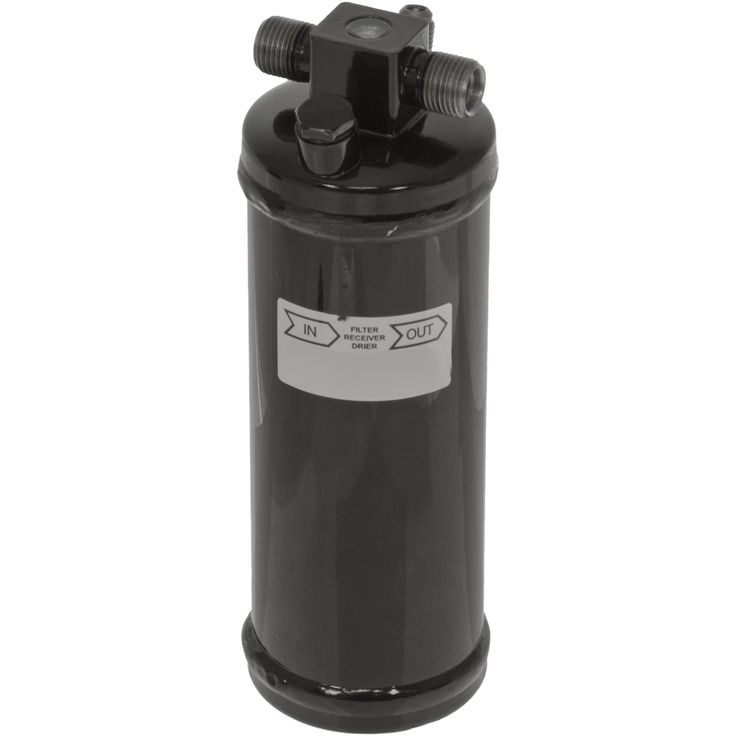
Both products manage moisture and contamination, but they occupy different system arrangements and may have different internal architecture, porting, mounting, and service roles. Catalogue names are often used loosely. Classify the product by the target circuit and controlled application evidence.
Misclassification creates wrong-part searches and purchasing errors. Use product photos, port and mounting data, OE references, vehicle qualifiers, and circuit role in the master record.
Build a tiered SKU architecture
| Tier | Typical role | Inventory approach |
|---|---|---|
| Core | Frequent applications with stable demand | Regular review and ready stock |
| Coverage | Important applications with intermittent demand | Lower depth or planned consolidation |
| Special order | Rare, complex, or uncertain applications | Source after verified request |
| New launch | Emerging coverage without history | Controlled trial quantity and monitoring |
| Exit | Superseded or declining demand | Stop-buy and disposition plan |
Use evidence to move SKUs between tiers. Sales volume matters, but so do lost sales, vehicle population, seasonal demand, substitute availability, claim rate, lead-time variability, and strategic customer requirements.
Classify demand by volume and predictability
An ABC-style value or volume class can be combined with an XYZ-style variability class. A high-volume stable SKU needs different replenishment from a low-volume erratic one. Seasonal HVAC demand, promotions, customer projects, weather, and fleet maintenance can distort a simple average.
For automotive receiver drier wholesale, track demand at SKU, market, and customer segment level. Pooling all driers together hides the application-specific nature of stock.
Review demand exceptions with sales and service teams. A one-time fleet order should not automatically raise the permanent forecast, while repeated unfilled enquiries may reveal demand that sales history cannot show. Mark each override with owner, reason, start date, and expiry.
Use fitment confidence as an inventory input
Do not buy deeply into a part with weak application evidence. Give each SKU a fitment confidence level based on controlled drawings, OE references, verified samples, vehicle checks, and claim history. Low-confidence coverage belongs in validation or special order until resolved.
When two references appear interchangeable, compare ports, thread or connection form, mounting, dimensions, sensors, pressure switches, internal role, desiccant requirement, and production boundaries. Consolidation saves stock only when technical equivalence is proven.
Protect the desiccant from open exposure
Desiccant is intended to manage moisture in the closed refrigerant circuit. Open or damaged packaging can consume that capability before installation. Define primary barrier packaging, port caps or plugs, seal integrity, packing date or lot information, storage conditions, opening rules, and handling of compromised units from supplier evidence.
Warehouse staff should quarantine a torn bag, loose cap, corroded canister, contaminated port, or missing label rather than resealing it without technical disposition.
Inspect packaging as a quality control
Check barrier integrity, seals, caps, cushioning, carton strength, corrosion protection where required, labels, barcode, lot, part identity, included seals or hardware, and protection of threads and fittings. Simulate the actual distribution route when packaging risk is high.
Packaging validation should represent production parts and normal pack quantities. A hand-carried sample does not prove resistance to warehouse stacking, parcel handling, humidity, vibration, or mixed-load transport.
Define shelf and storage decisions from evidence
Ask the supplier for storage requirements, packaging-life basis, inspection criteria, and any retest or disposition process. Do not invent a universal shelf life. Track receiving date, lot, packaging revision, storage location, and first-open status where relevant.
Use first-in-first-out unless another controlled rule is justified. Periodically inspect aging stock for packaging damage, corrosion, labels, caps, and product-specific criteria before it becomes a customer complaint.
For every warehouse, document quarantine location, inspection authority, and release evidence. The automotive receiver drier wholesale process should prevent a damaged barrier pack from returning to sale simply because the external carton was replaced.
Set replenishment with an explicit model
Reorder decisions should consider forecast demand during replenishment, demand variation, supply variation, review frequency, current usable stock, open orders, backorders, service target, carton constraints, and planned events. Document the formula and data source so buyers can explain changes.
A fixed minimum applied to every SKU usually overbuys slow parts and underprotects volatile core items. An automotive receiver drier wholesale dashboard should show both availability risk and aging-stock risk.
Model supplier lead time as a distribution
Track requested, confirmed, shipped, and received dates by order. Separate manufacturing time, consolidation, export handling, transport, customs, and receiving. Average lead time alone hides late-tail risk. Record partial shipments and changed confirmations.
Use observed program data, not an unsupported promise. When a new supplier lacks history, begin with conservative assumptions and update them after actual receipts.
Plan mixed orders without losing traceability
Wholesale programs often combine compressors, condensers, valves, driers, hoses, fans, and pumps. Consolidation can reduce shipment fragmentation, but each SKU still needs correct quantity, label, lot, packaging, inspection status, and document linkage. Define carton and pallet identification for mixed loads.
ZUA lists accumulators and filter driers within its product portfolio. Buyers should confirm which party manufactures or supplies each item, who owns validation, and how mixed-product orders preserve product-level traceability.
Connect catalog corrections to stock decisions
When an application is corrected, identify affected website listings, customer files, open orders, warehouse stock, shipments, and claims. A catalog change without inventory control can continue sending the wrong part. Conversely, blocking all stock before confirming the technical scope can create unnecessary shortages.
Use controlled status such as active, restricted, hold, superseded, and obsolete. Record the reason, approval, effective date, affected lots or revisions, and release criteria.
Manage superseded and obsolete inventory
Before transferring demand to a successor, verify whether it replaces the old part for every application and direction. Decide how remaining stock will be sold, returned, reworked, relabelled, bundled, or scrapped under approved controls. Preserve historical cross-reference data for claims.
Review exit SKUs regularly. Continuing automatic replenishment after demand declines converts service stock into aging exposure, especially when barrier packaging has a defined storage basis.
Evaluate the supplier beyond unit price
Compare application data, drawings, material and internal-component controls, leak and pressure evidence, moisture and flow validation where applicable, cleanliness, packaging, traceability, change notification, order accuracy, lead-time performance, claim analysis, and corrective action. Clarify responsible production routes.
The IATF 16949 overview provides automotive quality-system context. Certification does not replace product evidence or an agreed wholesale operating process.
Use a balanced wholesale scorecard
Track fill rate, backorders, lost sales, stock turns, aging value, forecast bias, order accuracy, packaging nonconformity, fitment returns, confirmed product claims, correction lead time, supplier delivery consistency, and traceability performance. Segment core and coverage tiers so one group does not hide another.
Add narrative review for major events. A temporary fill-rate decline caused by a controlled product hold is different from repeated late supply, and the corrective response should be different.
Review the automotive receiver drier wholesale scorecard with purchasing, quality, catalog, warehouse, and sales owners so each action has a responsible team and due date.
Frequently asked questions
Should wholesalers stock every receiver drier application?
No. Stock depth should reflect service mission, verified coverage, demand, supply risk, customer needs, and aging exposure.
Why must receiver drier packaging remain sealed?
The product contains desiccant and must be protected from moisture and contamination according to the supplier’s controlled requirements.
Is there one shelf life for all receiver driers?
No universal value should be assumed. Use product and packaging evidence, storage requirements, inspection rules, and supplier disposition guidance.
How can distributors reduce slow-moving stock?
Use tiered coverage, demand variability, fitment confidence, stop-buy rules, supersession control, and regular aging review.
Can two OE references share one aftermarket SKU?
Only when technical and application evidence demonstrates interchangeability across the claimed coverage.
What should be checked at receiving?
Verify part and lot, quantity, barrier pack, caps, labels, fittings, corrosion, damage, documents, and required inspection status.
Does ZUA supply receiver driers and accumulators?
ZUA lists these products in its broader portfolio. Buyers should verify fitment, responsible production route, evidence, and wholesale terms.
How can buyers request a wholesale quotation?
Send target references, markets, forecast by SKU, packaging needs, catalog fields, shipment plan, and validation requirements through the ZUA contact page.
Build automotive receiver drier wholesale stock with control
A resilient automotive receiver drier wholesale program connects verified fitment, SKU tiers, demand behavior, barrier packaging, storage evidence, replenishment, traceability, supplier performance, and exit decisions. That balance supports customer availability without turning unverified or aging parts into hidden risk.