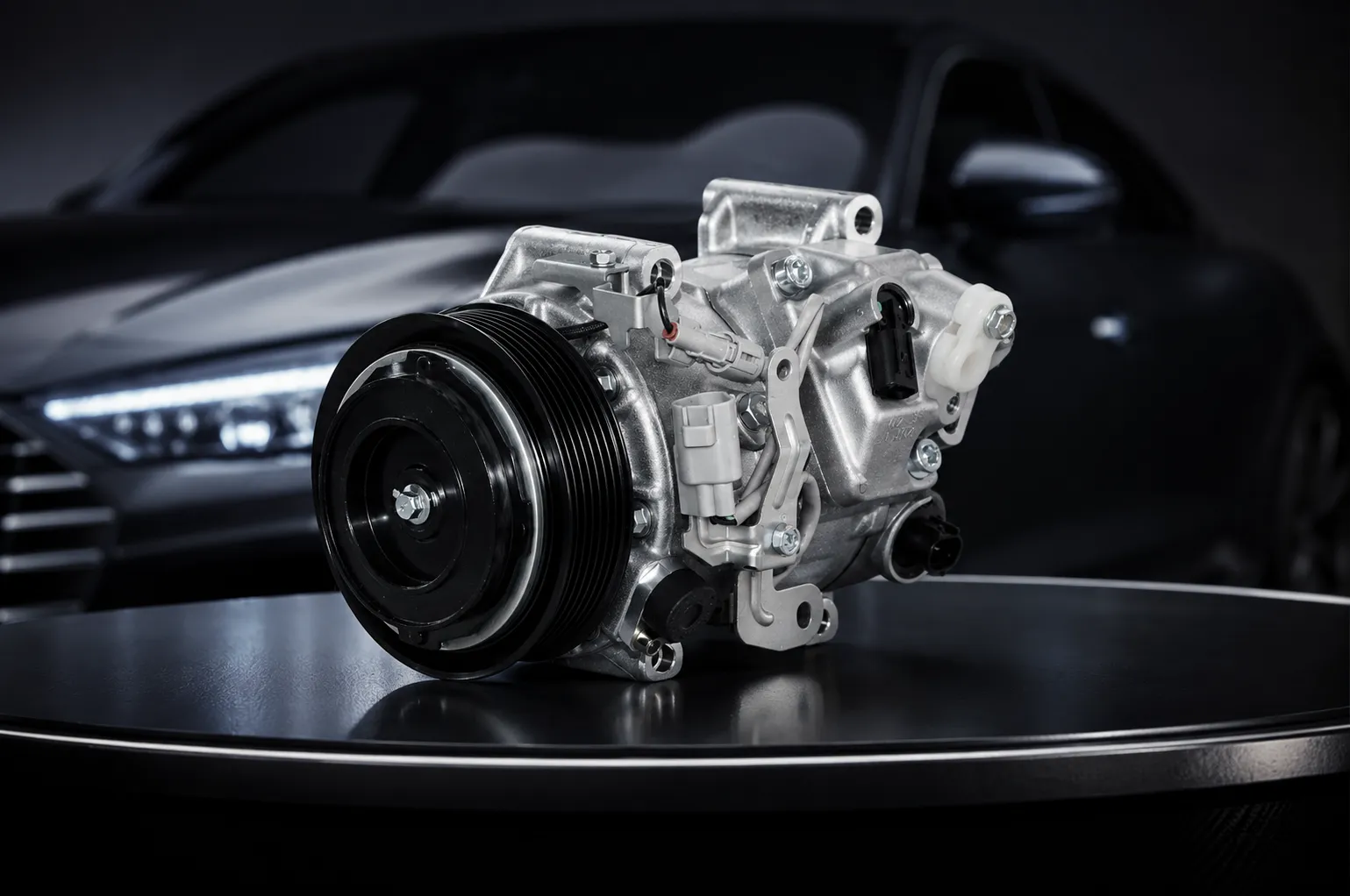
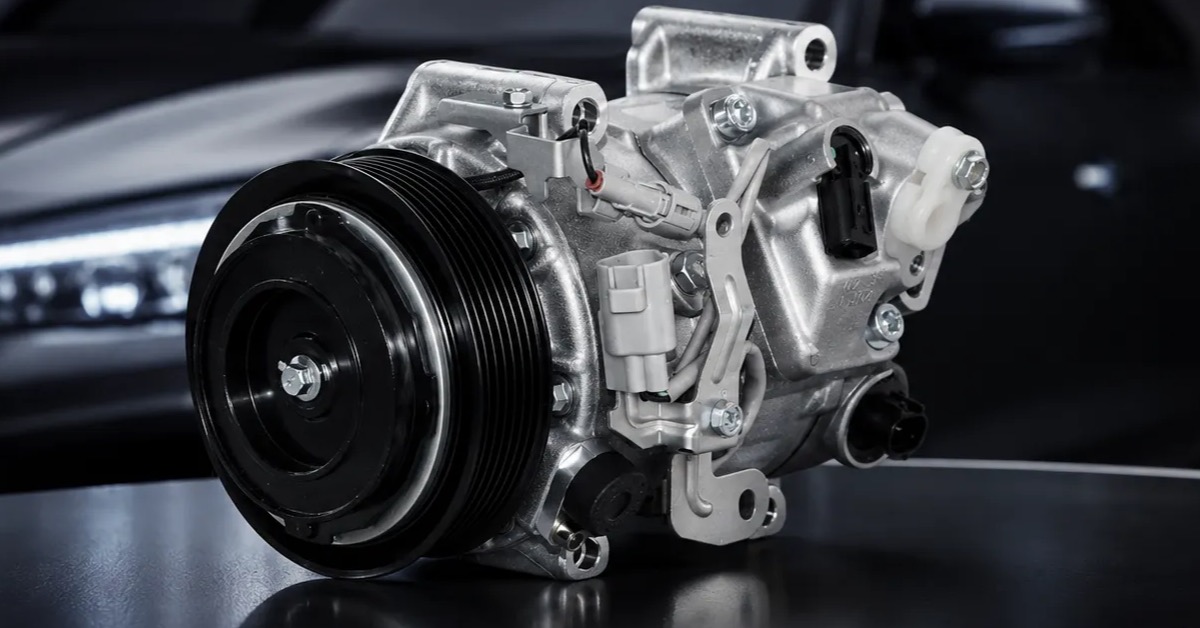
An electric AC compressor for hybrid vehicles must be sourced as part of a high-voltage climate system, not as a mechanical compressor with a different connector. Before requesting a quote, map the voltage class, inverter or controller interface, refrigerant and oil requirements, mounting envelope, thermal path, communication method, and vehicle safety ownership. A useful first sample is one whose electrical and refrigerant identity is already defined; otherwise a supplier may quote a part that spins on a bench but cannot be integrated into the vehicle.
This ZUA Auto Parts resource helps distributors organize the evidence needed before quotation; confirm the exact application, interfaces, tests, and supplied scope for every requested part.
The sourcing decision becomes clearer when each interface has an owner and an acceptance record. The following map is designed for distributors, importers, and engineering teams preparing an aftermarket or project-specific inquiry.
Begin with the vehicle voltage envelope
Record nominal battery voltage, permitted operating range, maximum current, pre-charge behavior, isolation expectations, and service shut-down procedure. Hybrid platforms do not all use the same high-voltage window, and the compressor's internal power electronics may have a narrower acceptable range than the battery label suggests. Ask the buyer to identify whether the compressor is connected directly to a vehicle inverter, to a dedicated controller, or to a supplied control module.
Do not reduce the requirement to “high voltage.” The RFQ should state the voltage range at the compressor terminals, the expected start-up sequence, and the protection limits that the vehicle controller applies. If these values are not available, mark them as open inputs instead of guessing from the vehicle model alone.
Put the electric AC compressor for hybrid vehicles at the center of the interface file
For an electric AC compressor for hybrid vehicles, the interface file should join electrical, refrigerant, mechanical, and service data on one page. List the connector drawing beside the mounting drawing, then reference the same revision in the refrigerant and oil notes. This prevents an engineering team from approving an electrical sample while the catalog team publishes an older port or bracket configuration.
Include the vehicle platform, market, model year, battery or inverter family, compressor location, and expected duty profile. A fleet replacement buyer may need a different evidence set from a vehicle-development team, so identify the decision: fitment screen, pilot order, warranty replacement, or production release. The phrase electric AC compressor for hybrid vehicles should describe a defined application record, not a generic product bucket.
Draw the control path beside the power path
| Map item | Questions for the buyer | Evidence to request |
|---|---|---|
| Power input | What are nominal, minimum, and maximum DC values? | Electrical interface sheet and connector view |
| Command | Is speed controlled by CAN, PWM, analog demand, or a dedicated controller? | Signal definition, frequency or message details |
| Feedback | Which speed, fault, temperature, or pressure signals return to the vehicle? | Pinout and diagnostic behavior |
| Protection | What happens during overcurrent, loss of communication, or isolation fault? | Fault-response description and test ownership |
| Service | How is the circuit made safe before removal? | Vehicle procedure or customer safety requirement |
Keeping the control path visible prevents a common sourcing error: approving a compressor based on cooling capacity while ignoring the message protocol or fail-safe behavior. A part may have the correct housing and ports but still be unusable when the controller expects a different command model.
Freeze refrigerant, oil, and circuit assumptions
State the refrigerant family, oil type, oil quantity or charging rule, allowable contamination limits, and whether the compressor is supplied dry, pre-oiled, or with a defined service charge. Electric compressors are especially sensitive to oil and insulation compatibility because the lubricant also participates in the electrical environment. The supplier should confirm the applicable product data rather than infer it from a similar mechanical unit.
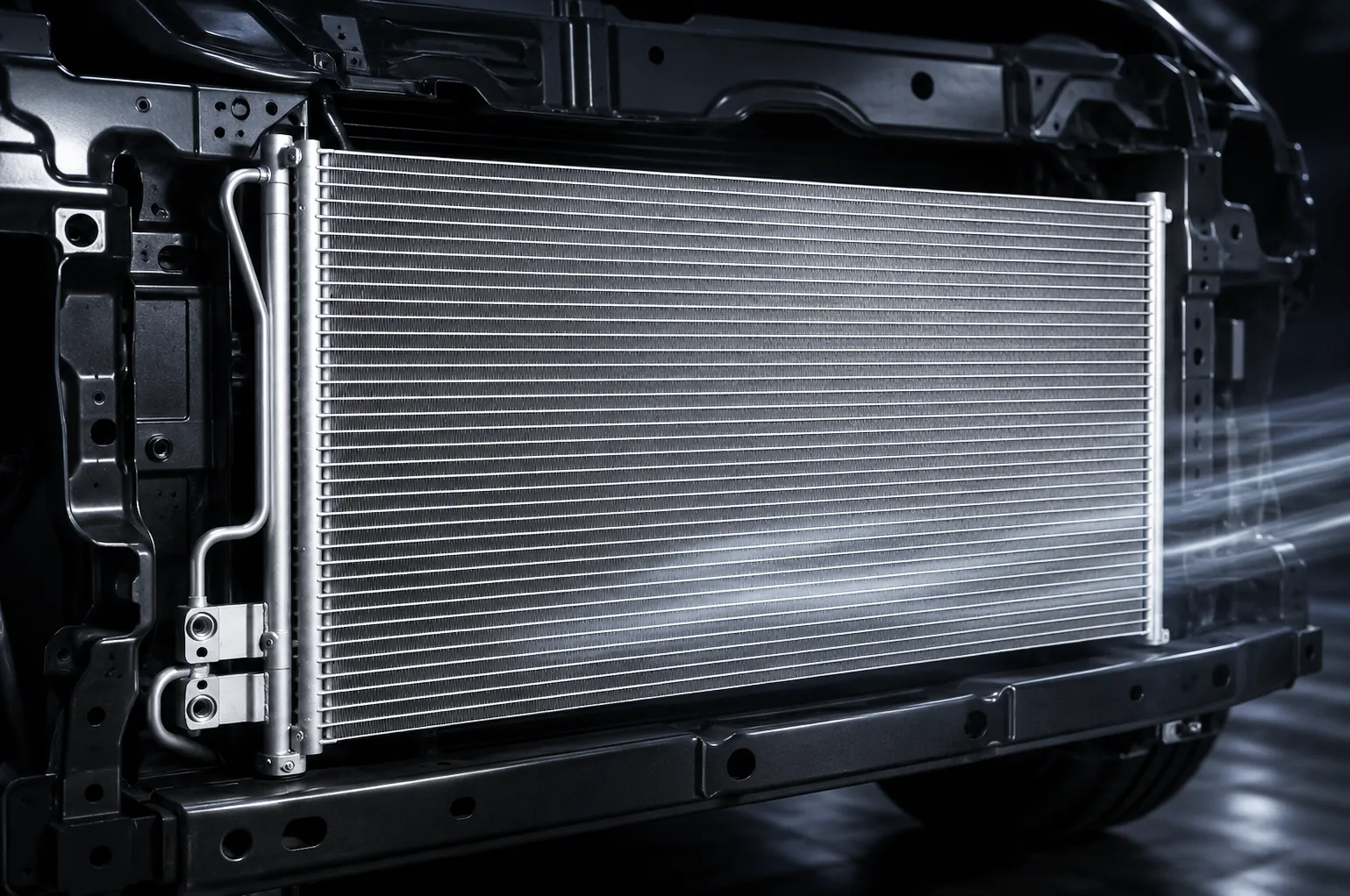
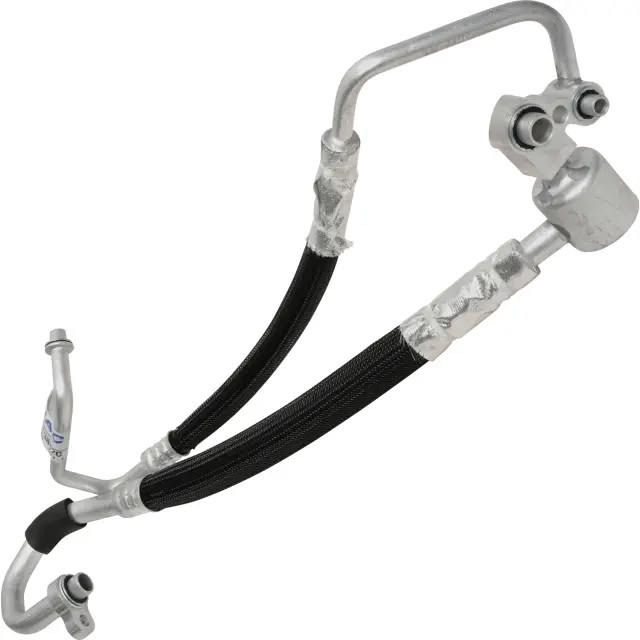
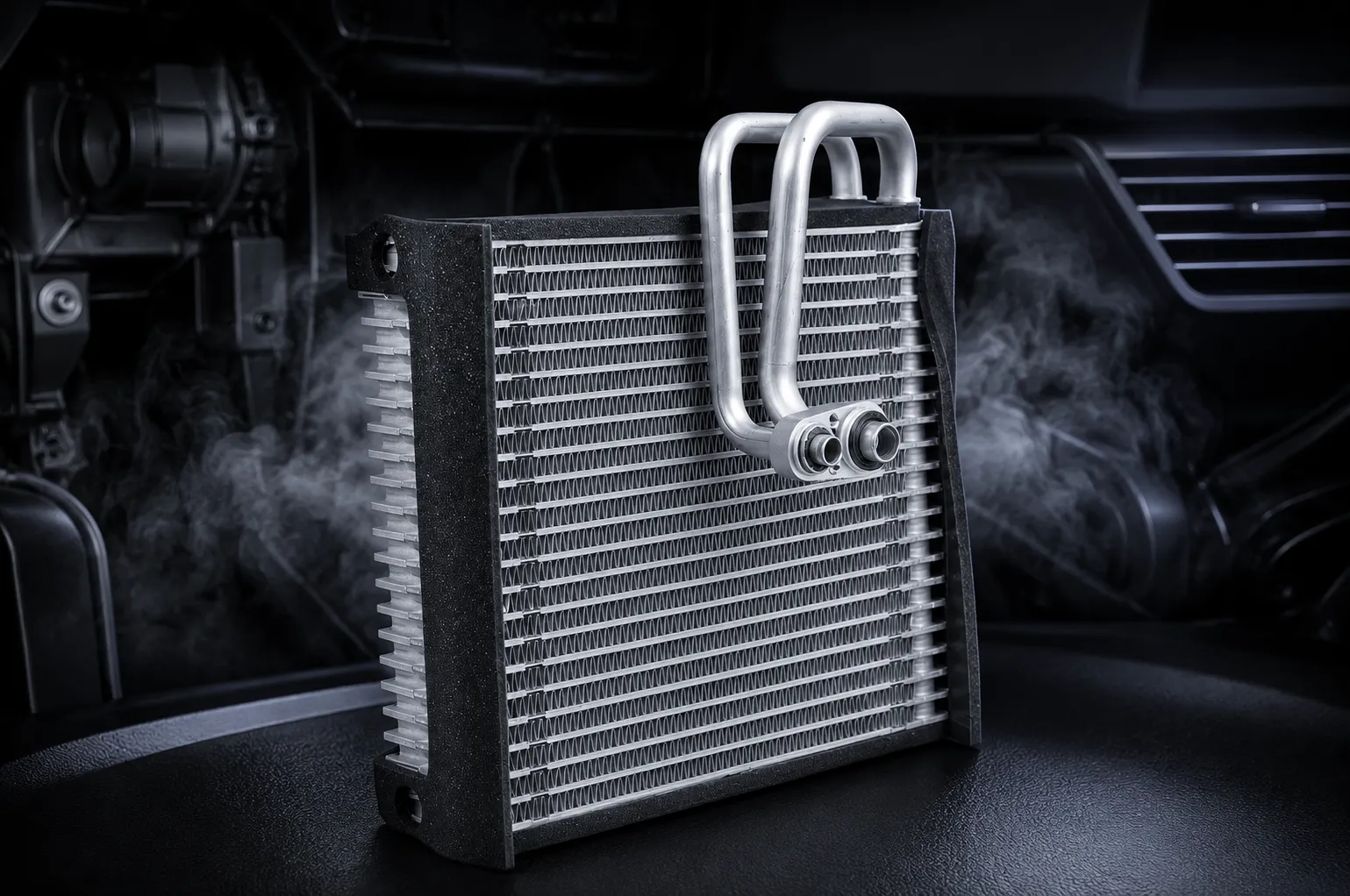
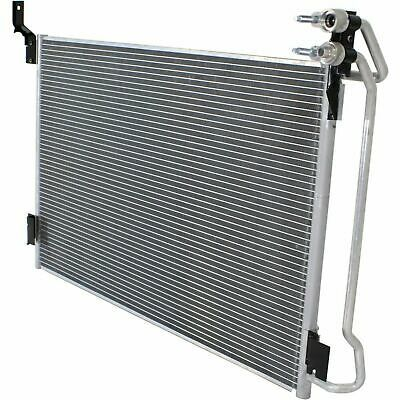
Connect the compressor to the rest of the circuit. Identify condenser, evaporator, receiver or accumulator, expansion device, hoses, and pressure-sensing points. If a replacement program reuses other components, record their age and service history; debris or incorrect oil in the existing circuit can make a new compressor appear defective.
When several markets use different refrigerants or oil service practices, split the records even if the housing is shared. An electric AC compressor for hybrid vehicles can require a market-specific label, oil instruction, connector or controller note. That distinction belongs in the SKU record before a distributor creates a cross-market listing.
Use the mounting drawing as an integration gate
Request the full mounting envelope: bolt pattern, datum references, connector orientation, service clearance, hose port angles, shaft or housing protrusions, and cable bend radius. Hybrid engine bays often reserve less service space because the compressor is mounted near battery, inverter, or cooling hardware. A few millimeters of interference can force a harness into a high-temperature or high-voltage zone.
Compare the drawing with the actual vehicle or a controlled mock-up. Photographs are useful for a first review, but they should not replace a dimensional check. Record which dimensions are confirmed by a sample, which come from a drawing, and which remain vehicle-specific.
Separate thermal performance from electrical efficiency
Ask how cooling capacity, input power, current, speed, and efficiency were measured. Test conditions should include refrigerant, evaporating and condensing conditions, voltage, command level, ambient temperature, and stabilization method. One laboratory point cannot describe every hybrid vehicle because battery voltage, cabin load, coolant temperature, and control strategy change during operation.
For fleet or distributor decisions, request a small matrix rather than a single headline number. Include low, nominal, and high voltage, several speed commands, and the temperature points most relevant to the application. If the supplier does not own vehicle correlation, state that the buyer or integrator will perform that step.
Make high-voltage safety evidence explicit
Define who is responsible for insulation, isolation monitoring, touch protection, connector interlock, and service labeling. The SAE J639 reference provides motor-vehicle refrigerant-cycle safety context; it does not certify a particular electric compressor or replace the vehicle maker's high-voltage requirements.
Ask for the supplier's actual evidence scope: production checks, electrical safety tests, functional run, leak check, and any customer-specific validation. Avoid writing “fully certified” unless the certificate, model coverage, and issuing body are confirmed for the exact SKU.
Prepare a sample that can answer integration questions
A useful sample request includes vehicle or platform, voltage window, connector photographs, control method, refrigerant, oil, mounting drawing, hose interfaces, desired sample quantity, test equipment, and the decision date. Ask the supplier to mark the sample revision and identify whether it is production-intent, engineering, or demonstration hardware.
During receiving, photograph labels, connectors, ports, seals, mounting ears, and packaging. Run an identity check before applying power. Record the controller, command signal, voltage, current, refrigerant loop, oil, ambient, and result. If the sample requires a separate controller or harness, list that dependency in the test report.
Turn unresolved items into an RFQ action log
Use three states: confirmed, supplier to confirm, and buyer or vehicle integration required. Typical open points include CAN message ownership, pressure protection, replacement oil, service isolation, and whether the quoted item includes a controller. This log is more useful than a long specification with hidden assumptions because each party can close one item at a time.
For a distributor, also define the commercial identity: internal SKU, application list, warranty evidence, packaging, marking, forecast, and change-notification route. A controlled identity file helps prevent a later substitution from silently changing the electrical interface.
Connect the map to ZUA's compressor team
ZUA presents automotive compressors for passenger, commercial, and refrigerated vehicle applications, with fixed-displacement, variable-displacement, and electric compressor categories shown in its compressor range. Exact high-voltage compatibility, control protocol, refrigerant, oil, and validation scope must be confirmed for the requested SKU.
Include the voltage envelope, control diagram, vehicle details, mounting photos, port data, sample plan, and forecast in the ZUA contact request. The wider product portfolio and company information provide context, while the quoted part record controls the engineering decision.
Frequently asked questions
Can a mechanical compressor replace an electric hybrid compressor?
Usually not as a direct swap. The mounting, drive method, control path, oil, and vehicle energy strategy must all be re-engineered.
What voltage should an electric compressor RFQ show?
Show nominal, minimum, maximum, terminal voltage, current limits, and the start-up or pre-charge behavior supplied by the vehicle system.
Is the connector enough to identify the control interface?
No. Confirm pinout, power, ground, signal type, communication messages, feedback, and fault behavior.
Why is oil compatibility important for a high-voltage compressor?
The oil affects lubrication, refrigerant performance, and the electrical insulation environment. Use the application-specific requirement.
Should the controller be included in the quoted part?
State clearly whether the compressor includes electronics, needs an external controller, or is supplied with a customer harness.
What should a hybrid compressor sample prove?
It should prove identity, interfaces, safe operation, command response, leakage, and the performance conditions agreed for the application.
Can one capacity figure cover every hybrid vehicle?
No. Capacity depends on voltage, speed, refrigerant conditions, cabin load, and the surrounding thermal system.
Who owns vehicle correlation testing?
Assign the owner in the RFQ. A supplier bench result does not automatically equal vehicle-level validation.
What packaging evidence matters for an electric compressor?
Capture connector protection, port caps, mounting-ear support, moisture control, labels, and separation from impact-prone carton surfaces.
Where can buyers request ZUA electric compressor data?
Use the contact page with the platform, voltage, command method, refrigerant, oil, drawings, sample quantity, and target market.
Close the loop before approving the SKU
An electric AC compressor for hybrid vehicles is ready for sourcing when its power, command, refrigerant, mounting, safety, test, and commercial identities agree. A structured map gives ZUA and the buyer the same definition of the part, reduces integration surprises, and creates evidence that can support a repeatable replacement program.