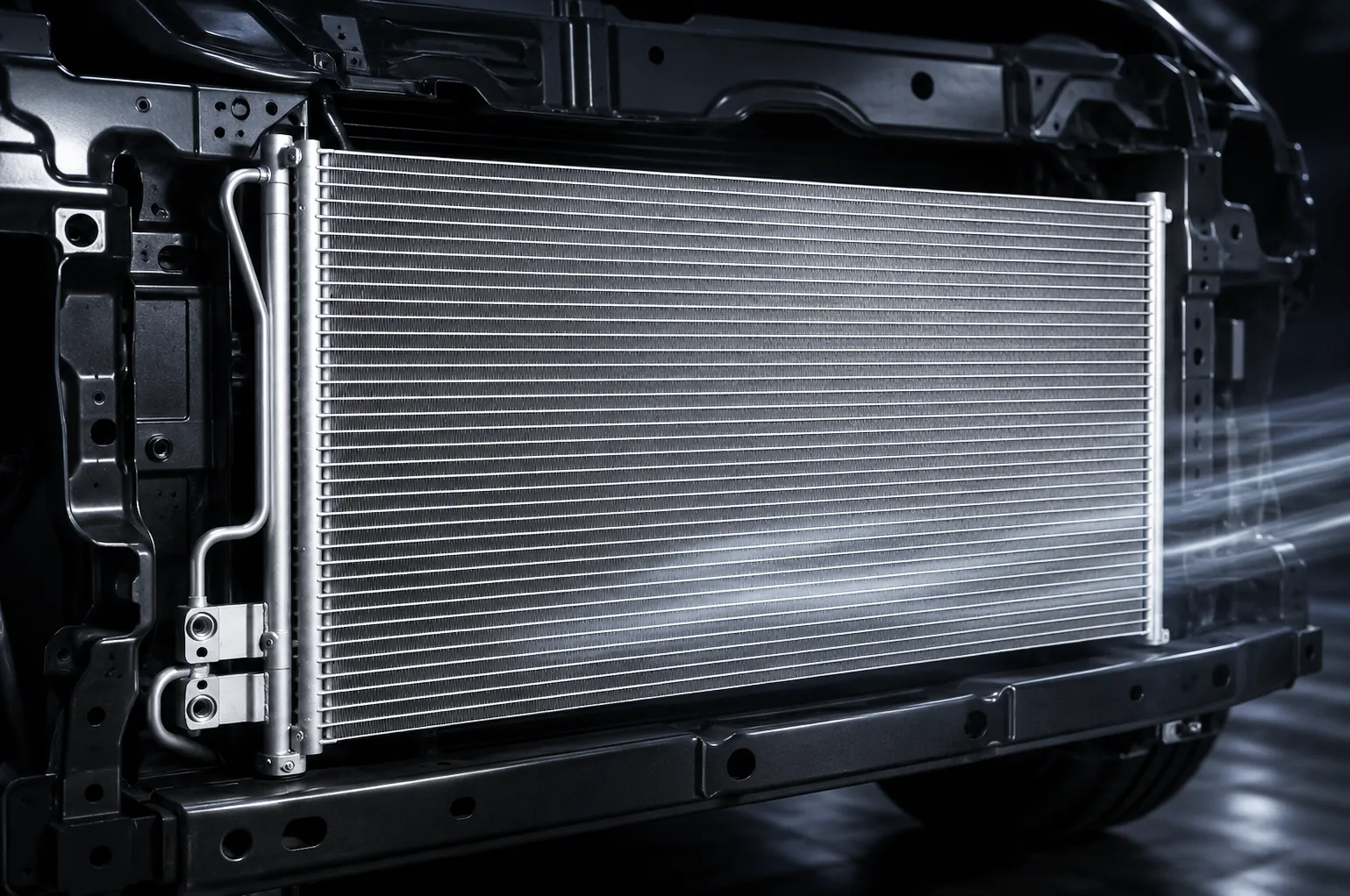
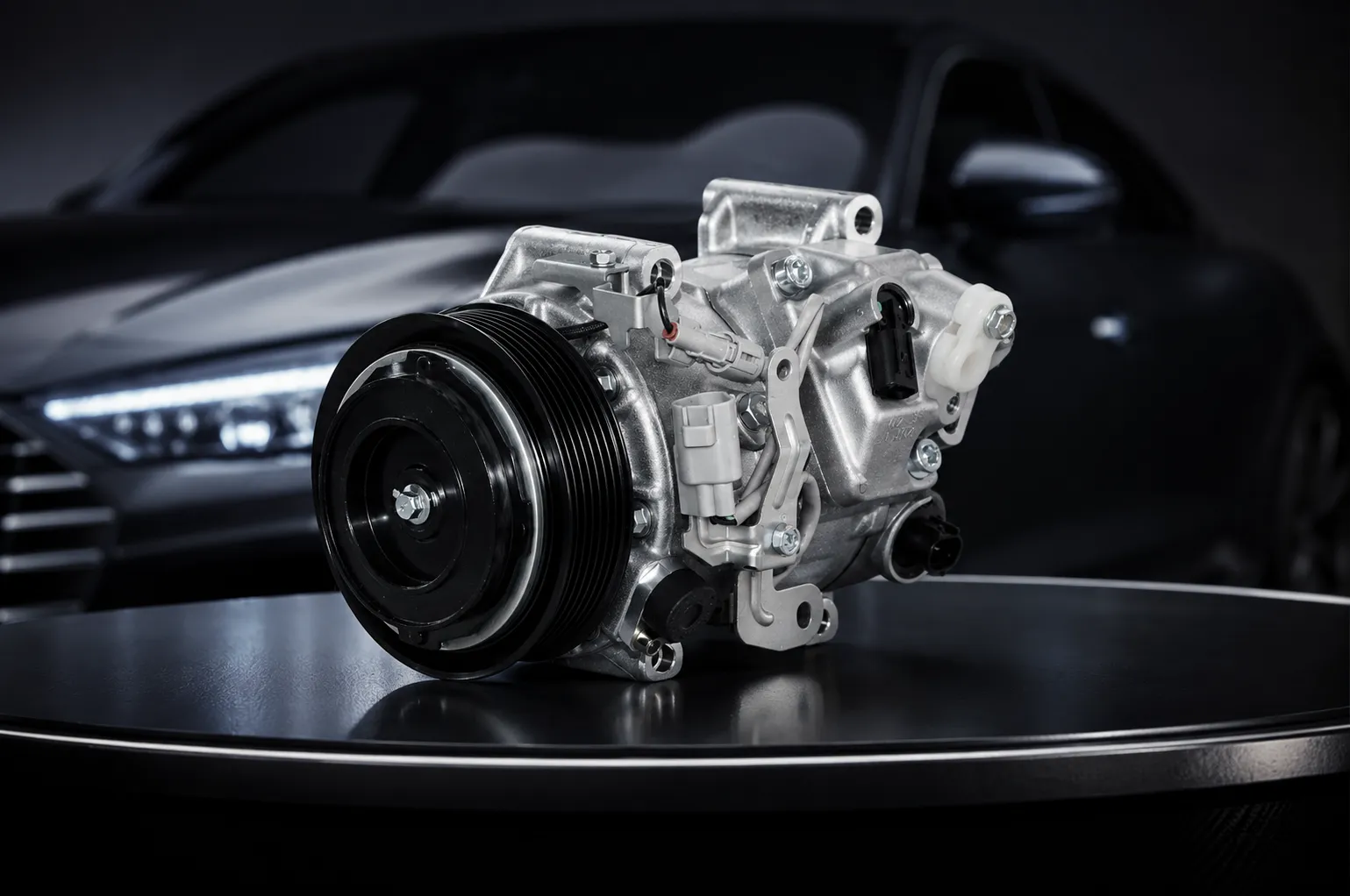
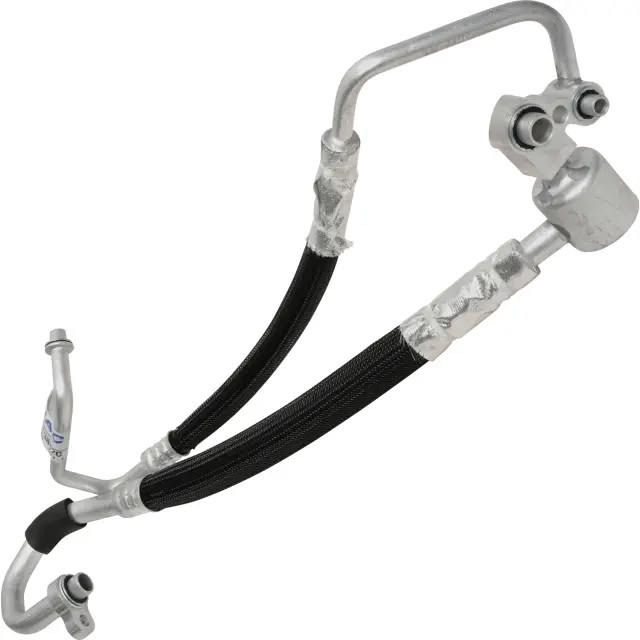
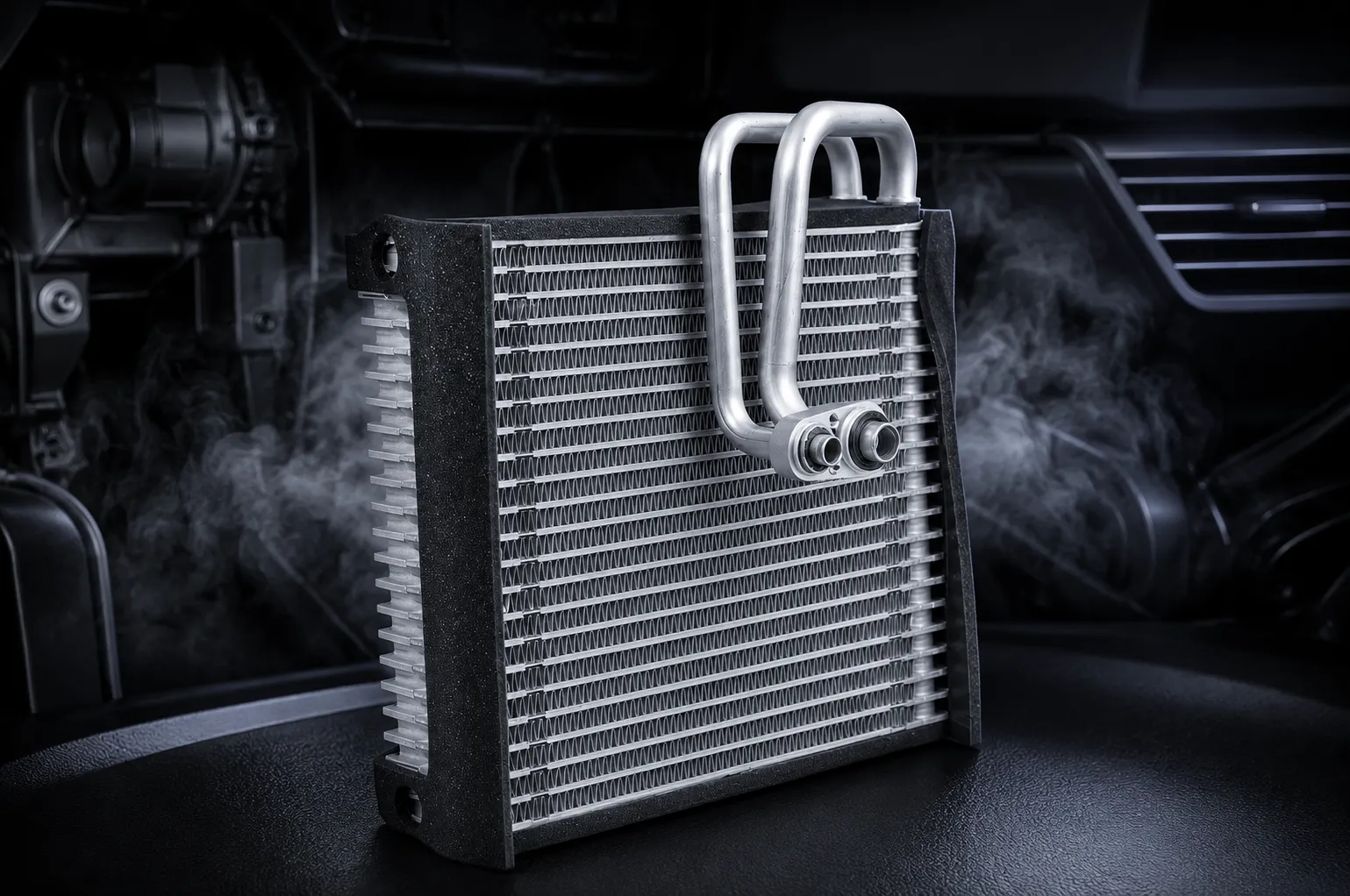
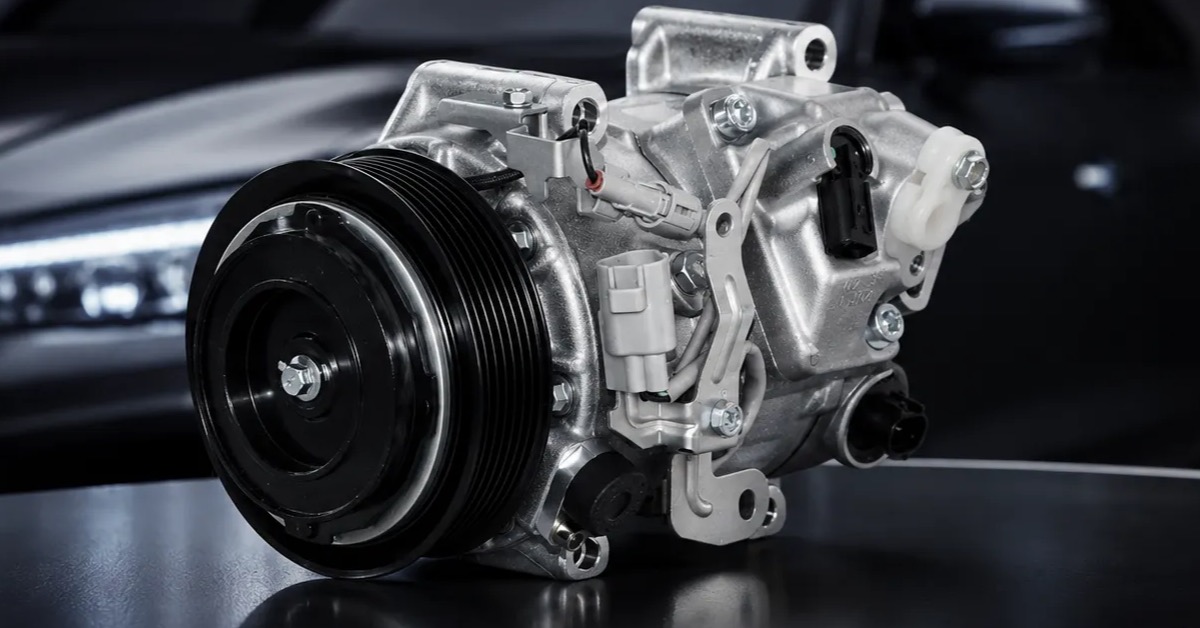
A 140cc variable displacement compressor cannot be selected from displacement alone. Buyers must match control architecture, mounting, pulley, port geometry, refrigerant and oil requirements, operating envelope, vehicle calibration, performance evidence, and design revision. The 140cc label identifies a nominal displacement class; it does not prove interchangeability.
For a ZUA Auto Parts inquiry, use this framework to separate confirmed product data from buyer-owned validation and open questions before approving a sample or order.
This engineering guide is for importers, distributors, private-label brands, and OEM/OES teams evaluating passenger-vehicle A/C compressor applications. It explains how to build an application dossier without inventing universal pressure, speed, oil, or performance limits.
Begin with the decision the compressor must support
State whether the project is a direct service replacement, a new vehicle application, a private-label cross-reference, a cost-down proposal, or a second-source qualification. Each decision needs a different evidence depth. A service replacement emphasizes exact fitment and control compatibility; a new application needs full system integration and calibration work.
Identify who owns the final approval. The compressor supplier can provide drawings and test evidence, while the vehicle or system owner must approve behavior in the complete refrigerant circuit.
Build a parameter stack around the 140cc label
| Layer | Data to capture | Why it matters |
|---|---|---|
| Architecture | Piston arrangement, swash mechanism, control mode | Defines how displacement changes |
| Control | Internal or external valve, signal, connector | Connects compressor to vehicle strategy |
| Mechanical | Mounts, ears, fasteners, envelope, mass | Controls installation and load paths |
| Drive | Pulley, grooves, diameter, alignment, clutch if used | Affects speed and belt integration |
| Refrigerant path | Ports, seals, orientation, manifold | Controls sealing and hose fit |
| Fluids | Approved refrigerant, lubricant, oil balance | Affects durability and performance |
| Performance | Required operating matrix and control response | Shows useful system behavior |
| Identity | Part, revision, lot, marking, application | Preserves approval traceability |
Confirm internal versus external control
Internally controlled designs respond primarily to refrigerant-side conditions through their control arrangement. Externally controlled versions receive a command from the vehicle system. Similar housings may conceal different valves, response maps, connectors, and fail-safe behavior.
For a 140cc variable displacement compressor, record valve part number, electrical characteristics where applicable, connector keying, command type, default state, diagnostic behavior, and approved software context. Never bridge an electrical mismatch with an improvised harness and call the compressor compatible.
Translate vehicle demand into an operating matrix
Define compressor speed, suction and discharge states, refrigerant mass flow, inlet superheat-related condition, ambient, condenser airflow, evaporator load, control command, and transient sequence required by the application. Include idle pull-down, road operation, changing blower demand, high heat load, low load, start-stop, and protection events where relevant.
The matrix should identify acceptance sources and measurement uncertainty. One catalogue capacity value cannot describe modulation quality, efficiency, stability, or response across the vehicle envelope.
Check mounting loads and belt geometry
Compare all mounting datums, ear thicknesses, hole sizes, fastener directions, bracket contact faces, clearances, and torque requirements. Check pulley groove count, profile, diameter, offset, runout requirement, alignment, belt wrap, tensioner range, and nearby structures.
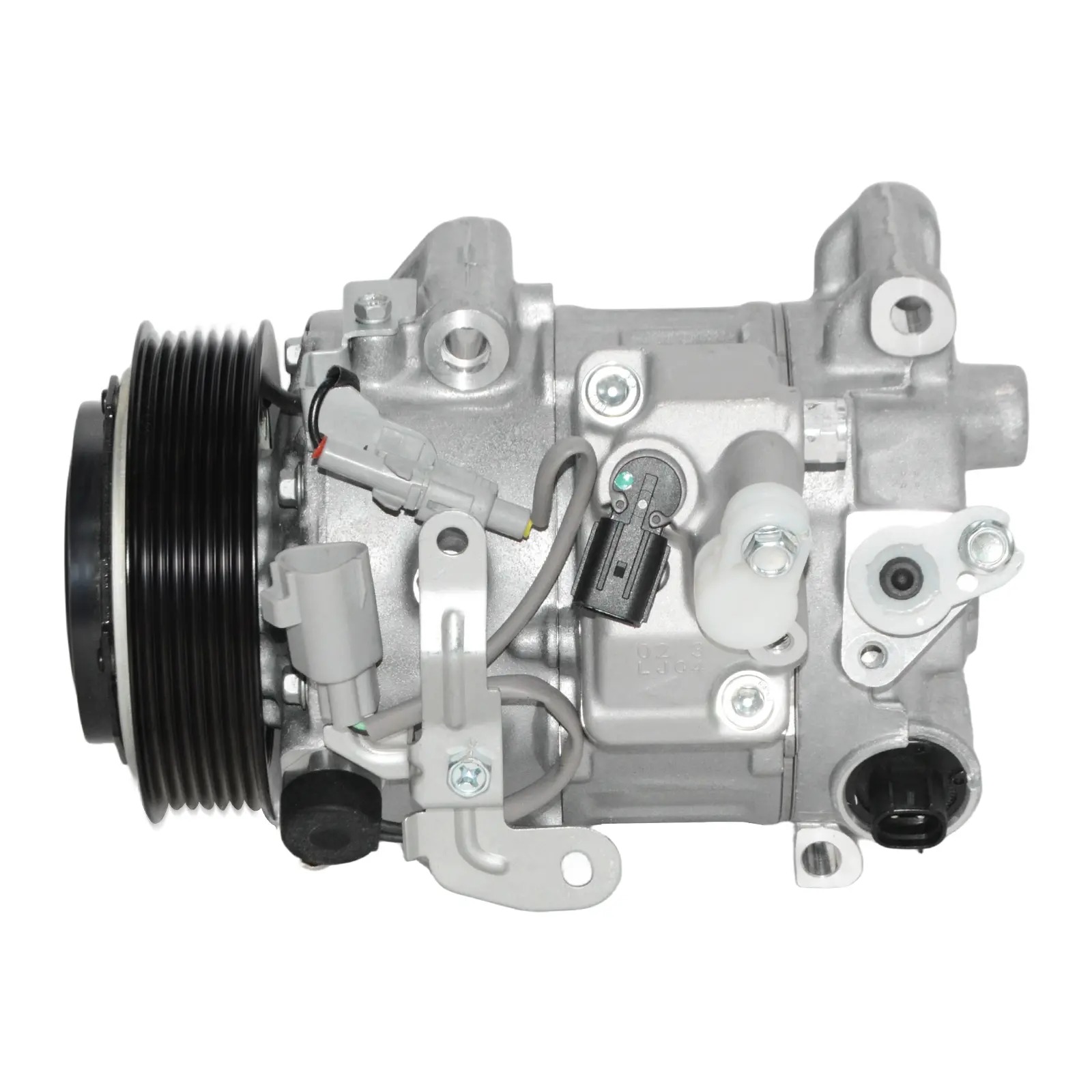
A compressor can bolt to a bracket and still create poor alignment or contact under engine movement. Use controlled drawings, fixture checks, and representative installation, not a front-view photo.
Freeze the port and manifold interface
Record suction and discharge port form, spacing, sealing face, seal material, fastener, orientation, depth, manifold clearance, and hose load. Inspect protective caps and cleanliness at receiving. If the design uses a model-specific adapter, include it in the approved configuration.
Port similarity is not proof of flow or sealing equivalence. A replacement program should verify assembly with production hose or manifold parts and preserve the interface revision.
Treat oil balance as a system calculation
Record compressor shipping oil, specified lubricant, oil retained or removed during service, oil distributed in other circuit components, flushing actions, and final system requirement. The correct action depends on vehicle and repair procedure. Do not apply one oil addition rule to every application.
For a 140cc variable displacement compressor claim, oil quantity and condition can be essential evidence. Preserve recovered lubricant and document actions before opening the returned unit.
Verify refrigerant and material compatibility
Confirm the approved refrigerant, lubricant, seals, valve materials, internal coatings, hoses, and service equipment for the target vehicle. A mechanical cross-reference does not authorize a refrigerant change. When markets have different service rules, catalogue the approved configuration and state limitations.
Cleanliness is part of compatibility. Moisture, particles, incompatible oil, seal fragments, or debris from a previous failure can change valve response and damage a new compressor.
Compare performance as a response surface
Request data across relevant speeds, pressures, temperatures, and commands. Review capacity, power, efficiency-related measures, mass flow, discharge temperature, control stability, response time, noise, vibration, and protection behavior as required by the project. Keep raw conditions beside the reported results.
When comparing candidates, use equivalent test boundaries and reference units. If one report uses different refrigerant states or control commands, normalize only with an approved engineering method.
Use transients to expose control mismatch
Steady points can hide hunting, delayed response, overshoot, control saturation, unexpected fail-safe state, or interaction with the expansion valve. Include command ramps, sudden evaporator-load changes, fan transitions, engine-speed changes, and clutch events where the architecture requires them.
Plot command, pressures, temperatures, speed, and performance on the same time axis. This makes it possible to distinguish compressor response from system delay.
Prove durability on the approved configuration
Define duty cycles from the target application and customer requirement. Validation may address endurance, thermal cycling, start-stop behavior, high and low load, speed changes, pressure cycling, vibration, leakage, oil management, control valve behavior, and post-test performance. The required sequence and limits must be controlled.
The 140cc variable displacement compressor samples should match production-intent materials, machining, assembly, valve, oil, pulley, and test program. Engineering prototypes cannot automatically release mass production.
Connect design evidence to ZUA production controls
ZUA identifies variable-displacement compressor families on its compressor product page. Guangzhou Berlin Auto Parts Manufacturing Co., Ltd. states that its compressor operation includes automatic cleaning, helium leak detection, full-performance testing, abnormal-product isolation, Andon and Kanban controls, and laboratory analysis for performance, durability, vibration, noise, and after-sales cases.
Buyers should request the exact platform drawing, control type, application list, validation reports, control plan, traceability record, and production sample. General factory capability supports qualification but does not replace model-specific evidence.
Create a revision-controlled application dossier
The dossier should contain customer and supplier part numbers, compressor revision, vehicle qualifiers, OE references, drawings, BOM status, control valve, connector, mounting, pulley, ports, oil, refrigerant, performance matrix, validation, sample approval, packaging, labels, and change history. Give every document an owner and approval status.
Any change to valve, internal mechanism, machining, seals, bearings, lubricant, pulley, connector, material source, assembly, software, test method, or production site needs an impact review. The IATF 16949 overview provides automotive quality-system context for controlled processes and improvement.
Use a no-assumption review before sample approval
Place every unresolved item in a visible register rather than filling gaps with the closest known application. Typical open points include valve command, pulley offset, port depth, shipping oil, effective displacement range, software revision, pressure protection, bracket clearance, hose manifold, and validation ownership. For each item, record the evidence requested, responsible party, due date, and consequence if it remains open.
Run the review with engineering, purchasing, quality, catalog, and after-sales teams. Engineering may accept a control response that catalog staff cannot describe accurately; service teams may know a recurring installation difference that drawings do not reveal. Mark facts, approved assumptions, temporary deviations, and prohibited inferences differently.
The 140cc variable displacement compressor sample should not enter a vehicle trial until safety, installation, fluid, and control unknowns have an approved treatment. After the trial, close the register with measured results and update the dossier. This discipline prevents a successful one-off installation from being expanded into unsupported catalog coverage.
Frequently asked questions
Does 140cc displacement prove compressor interchangeability?
No. Control type, mounting, pulley, ports, refrigerant, oil, operating envelope, vehicle logic, and revision must also match.
What is the main difference between internal and external control?
The control arrangement and source of the displacement command differ. Exact behavior depends on the compressor and vehicle design.
Can buyers compare one capacity number?
One point is insufficient for a modulating compressor. Compare a relevant matrix and transient response under equivalent conditions.
Why must pulley geometry be checked?
Grooves, diameter, offset, alignment, belt wrap, and speed relationship affect installation, durability, and operating behavior.
How should oil quantity be decided?
Follow the approved vehicle and repair procedure using system oil balance, shipping oil, replaced parts, retained oil, and flushing actions.
Should a replacement compressor use the same control valve?
It needs an approved valve and control behavior compatible with the vehicle. Part number and evidence should be verified.
Does ZUA manufacture automotive A/C compressors?
Yes. ZUA describes compressor manufacturing in Guangzhou with production and laboratory controls. Buyers should qualify the exact model.
How can buyers request a 140cc compressor review?
Send vehicle application, OE reference, control type, drawings or sample, refrigerant, forecast, and validation needs through the ZUA contact page.
Approve the 140cc variable displacement compressor as a system
A defensible 140cc variable displacement compressor decision connects nominal displacement with control architecture, mechanical and refrigerant interfaces, fluids, operating response, durability, production evidence, and revision control. Approve that complete configuration rather than a number printed in a catalogue.