An AC compressor bulk order becomes risky when the buyer moves straight from one acceptable sample to a large shipment. The sample may have the right pulley, ports, control valve, oil fill, and label. That does not prove that the next cartons will carry the same configuration. The first production units need a deliberate release path that joins technical approval, line records, packing, and receiving inspection.
This article follows the first 100 units as a controlled launch. It is written for importers, distributors, private-label brands, and service networks that need a repeatable compressor supply program rather than a one-time purchase. ZUA Auto Parts uses the same practical idea: identify the exact application, keep the approved condition visible, and let evidence move with the order.
The number 100 is an example, not a universal rule. A suitable launch quantity depends on the compressor family, forecast, validation stage, customer requirement, and commercial agreement. The useful part is the sequence. Each gate answers one question before more inventory is exposed.
Unit zero is the approved identity
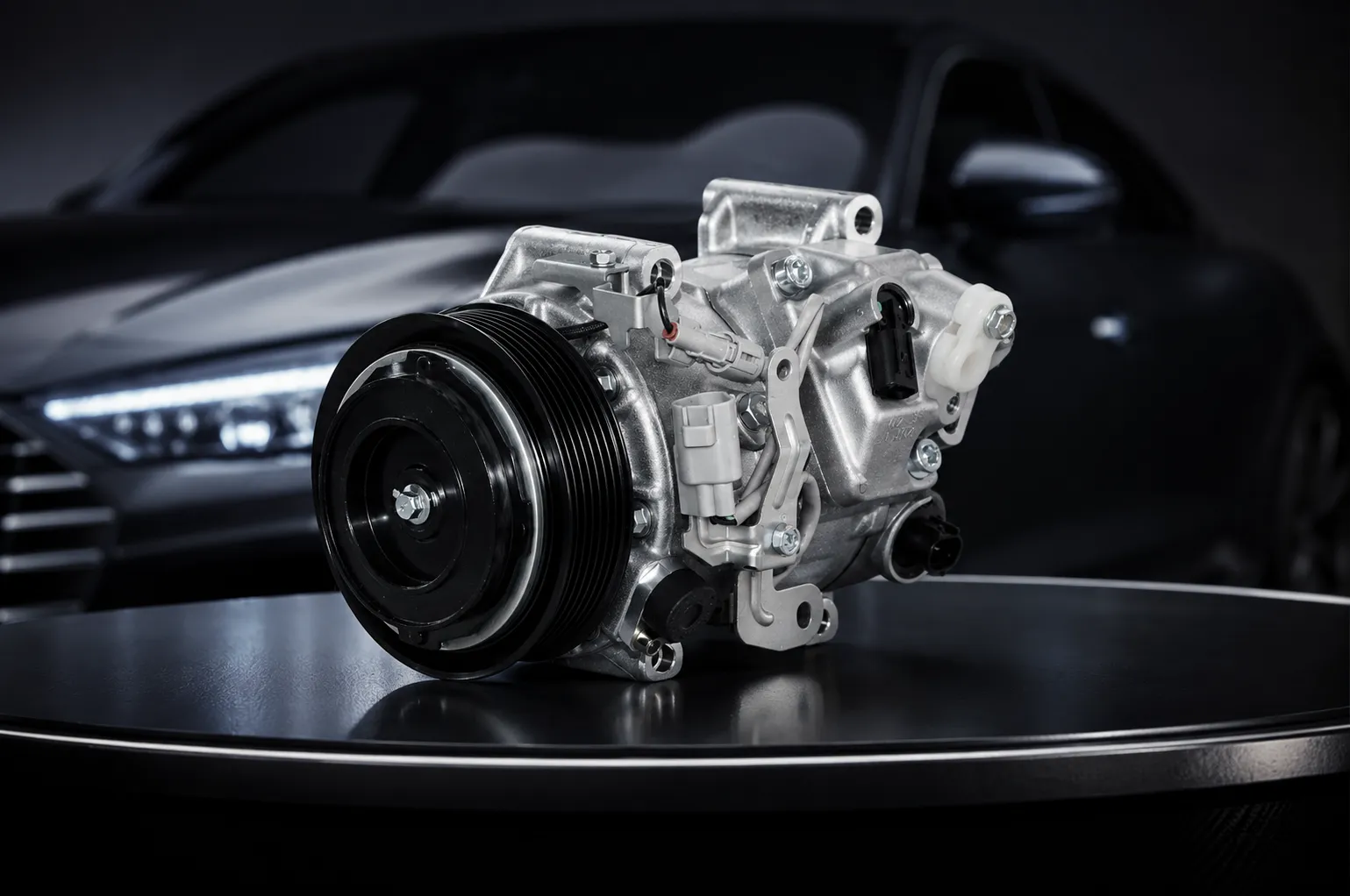
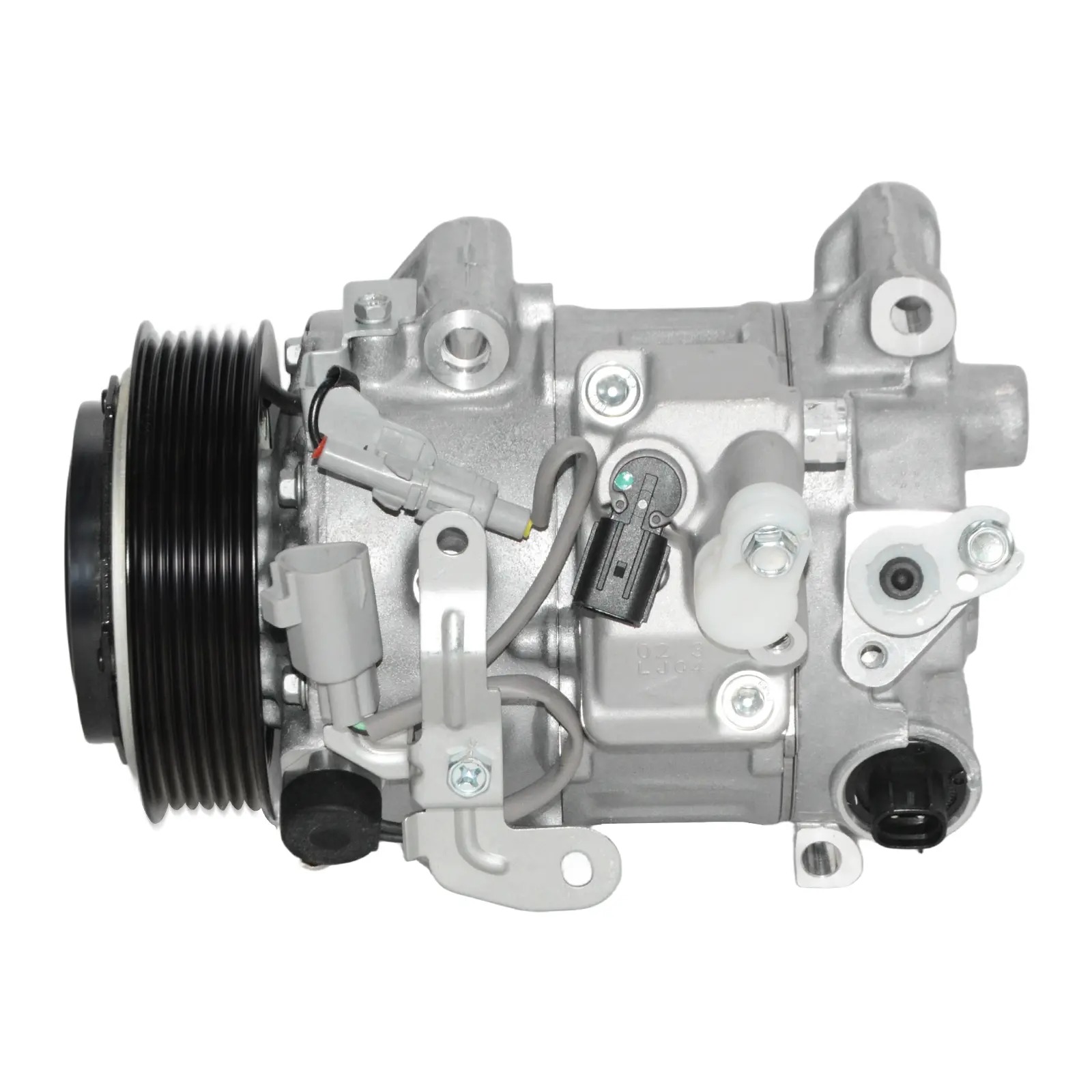
Before the first production unit is counted, create a compact identity sheet for the approved compressor. Put the customer SKU, supplier part number, vehicle application, OE reference, refrigerant, oil type and fill, displacement family, control method, pulley details, clutch or connector, mounting pattern, port orientation, included seals, label revision, and package revision on one page.
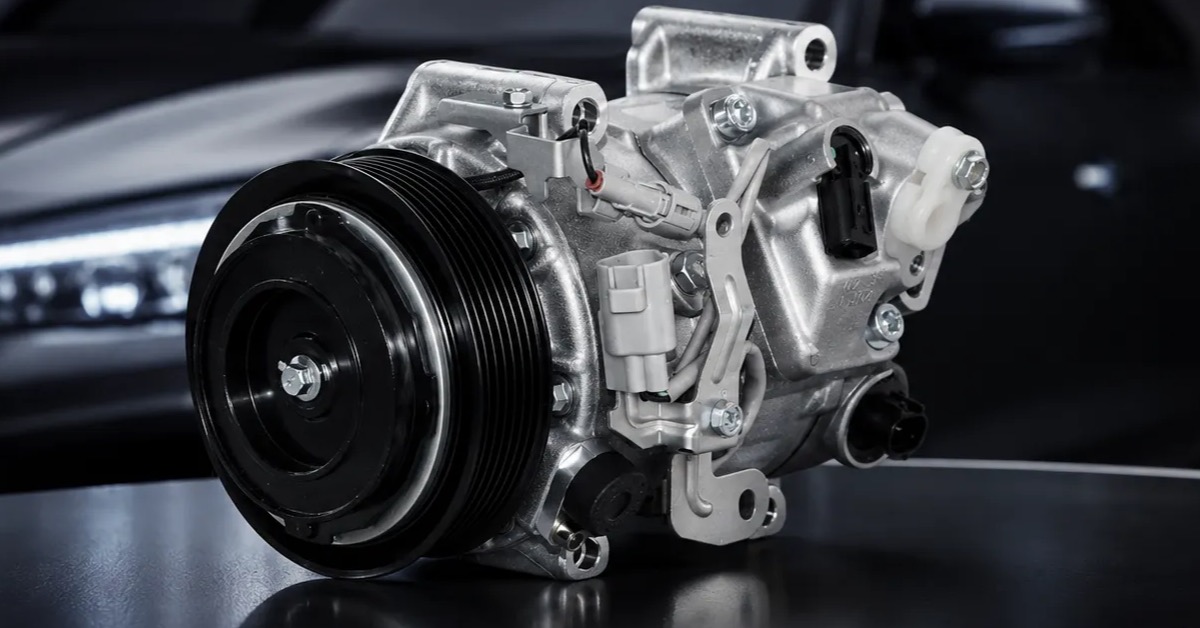
Photographs help, especially for connector keys and port positions, but they cannot carry the whole approval. A photo does not show internal displacement, valve calibration, oil quantity, or a drawing revision. The identity sheet should point to the approved drawing, sample report, and any signed deviation. If one field is unknown, mark it open. Do not quietly fill the gap with an assumption.
On ZUA's automotive A/C compressor page, buyers can start with fixed-displacement, variable-displacement, or electric compressor needs. The exact configuration still has to be confirmed for the vehicle and market named in the inquiry.
Units 1 to 5 tell you whether the handoff survived
The first pieces off the intended production route are a handoff test. Compare them with unit zero before the order gains momentum. Check visible identity, critical dimensions, rotation, clutch or control features, ports, plugs, oil label, traceability mark, and packaging components. Record actual results. “Same as sample” is not a measurement.
This is also the moment to confirm that the sample came from the quoted process. Ask whether production uses the same component sources, tooling, assembly route, inspection equipment, and test settings. If an engineering sample was hand-built or reworked, the production release should explain what changed. A good sample can hide a weak handoff; five production units usually make the gap easier to see.
Keep one verified first-off unit as a retained reference when the program warrants it. Label it so that it cannot return to saleable stock by accident. The retained unit gives quality teams something physical to compare when a later carton, label, or component looks unfamiliar.
Units 6 to 20 expose variation, not just defects
One compressor can pass because the settings happened to be favorable. A short run begins to show spread. Review critical dimensions and functional results across several positions in the run, not only the first and last unit. The sampling plan and limits must come from the drawing, control plan, customer specification, and risk level.
For an AC compressor bulk order, useful records may include leak-test result, rotation or torque check, electrical control response where applicable, oil-fill verification, pulley runout, clutch gap, identification scan, and final appearance. The list changes with compressor architecture. A mechanical fixed-displacement unit does not need the same checks as a high-voltage electric compressor.
Look for drift even when every result is technically inside the limit. A steady move toward one edge can signal tool wear, fixture movement, component variation, or a setting that needs attention. The point is not to create a pretty inspection table. It is to notice the order changing while there is still time to contain it.
At unit 21, stop and read the story so far
A planned pause is useful after the early run. Production, quality, and order management should review the same record. Were any units reworked? Did an operator replace a component, adjust a setting, or reopen a test? Did labels scan correctly? Did the carton hold the right plugs and accessories? If a problem occurred, can the team identify the affected serial or lot range?
Use a simple launch board rather than scattered messages:
| Gate | Evidence to review | Release decision |
|---|---|---|
| Approved identity | Drawing, application record, golden sample, label and pack revision | Correct configuration is frozen |
| First five | First-off dimensions, interfaces, test and visual records | Sample handoff is confirmed |
| Units 6-20 | Result spread, rework, component lots and traceability | Early process is stable enough to continue |
| Mid-run review | Open issues, containment, concessions and ownership | Continue, pause, sort, or correct |
| Final release | Lot summary, pack evidence, shipment documents | Order may leave the site |
A pause does not automatically mean trouble. It creates a named moment when the team can prevent a small mismatch from becoming pallet-wide inventory.
Units 22 to 80 test routine production
After the first-off attention fades, normal habits take over. That is exactly what this section of the run should reveal. Operators change, bins are replenished, labels are printed again, test fixtures see more cycles, and completed units wait for packing. Traceability should remain intact through those ordinary events.
Check that component lots can be linked to finished units or a defined production window. Confirm that nonconforming pieces are physically controlled and cannot drift back into the order. Review gauge status and test-equipment checks. If the program requires a specific report with the shipment, make sure the data is being captured now, not reconstructed after the pallet is wrapped.
ISO's official overview explains that a quality management system covers planning, operations, performance evaluation, documented information, and improvement. Buyers can use the ISO 9001 overview to understand the system-level idea, while still requiring part-specific evidence for this order. A certificate alone does not identify which pulley or control valve entered a carton.
The last 20 units belong to logistics too
Production quality can be lost in ten minutes of careless packing. Compressor ports should remain protected against dirt and moisture. Pulley and connector areas need clearance from carton walls and neighboring units. The package must prevent movement, support the specified stacking load, and preserve labels through the expected transport route.
Run a carton check with the real product, inserts, bag, caps, label, and accessories. Photograph the sequence from bare compressor to closed carton. Then verify carton quantity, gross weight, outer marks, pallet pattern, edge protection, wrapping, and any private-label artwork revision. If the order mixes SKUs, make the separation and pallet map obvious enough for a warehouse receiver who did not join the sourcing project.
ZUA's company page describes compressor production, inspection, cleaning, helium leak detection, and abnormal-product isolation. Those capabilities are useful starting points for a buyer conversation. The order document should still state which checks and records apply to the selected compressor.
The evidence box should arrive before the freight
A buyer should not have to open random cartons to discover what was shipped. For an AC compressor bulk order, send the release package electronically before dispatch. It can include the final packing list, lot or serial range, approved revision, agreed inspection report, photos of labels and sealed pallets, deviations, and the contact responsible for questions. Commercial and customs documents must match the goods and the agreed delivery terms.
Keep the package lean. A hundred unlabeled photos are harder to use than ten photographs tied to a part number, date, and checkpoint. Test reports should name the part, lot, equipment or method, acceptance criteria, results, and approver. When the buyer and supplier use the same identifiers, an exception can be traced without searching through chat history.
Arrival week is part of the AC compressor bulk order
The first shipment is not finished when it leaves the factory. Plan receiving inspection before the truck or container arrives. Warehouse staff need the pallet map, expected carton count, SKU labels, damage rules, sampling instructions, and a quarantine location. Technical staff need the approved identity record and a route for reporting discrepancies.
Start with transport condition and label reconciliation. Open samples from different pallet positions rather than the easiest top carton only. Check port protection, oil leakage signs, pulley or connector damage, included parts, product identity, and any measurements assigned to incoming inspection. Photograph the carton and label before removing the compressor; that context matters if damage is later linked to handling.
Do not mix unverified stock into normal inventory. Release by SKU and lot after the agreed checks pass. If something is wrong, preserve the packaging and identify the affected range. A focused containment message is far more useful than a general note saying “some compressors have a problem.”
What changes after the first 100 pass?
A successful launch earns a more efficient repeat order, not the removal of control. Keep the identity sheet, approved sample, current drawing, label artwork, packaging specification, test plan, and change-notification rule attached to the SKU. Sampling may change only through an agreed risk-based decision.
Compare the second order with the first. Has a component source, control valve, bearing, clutch, lubricant, label, carton, test method, production line, or subcontracted process changed? Even a reasonable change needs visibility. The buyer can then decide whether a document review, sample, limited revalidation, or full approval is appropriate.
For a new AC compressor bulk order, send ZUA the vehicle application, OE or cross-reference, compressor photos, expected quantity by SKU, destination, package needs, and desired evidence. The ZUA contact page accepts technical files, while the broader product catalog helps buyers review related climate-control and cooling components.
Questions buyers ask before release
Is 100 units the correct launch quantity for every order?
No. It is an example that makes the control sequence concrete. Choose the quantity and sampling plan from product risk, validation status, customer requirements, forecast, and the commercial agreement.
Can one approved sample support a volume purchase?
It can establish the target configuration, but it does not prove routine production. Confirm the sample-to-production handoff and review early production results before full release.
Which compressor details must be frozen first?
Freeze the application, part numbers, architecture, refrigerant, oil, control method, pulley, ports, mounting, connector or clutch, included parts, label, packaging, and approved revisions.
Should every compressor be functionally tested?
The test coverage depends on design, risk, process, contract, and customer specification. The quotation and control plan should state which checks are 100% and which use sampling.
How should mixed-SKU pallets be controlled?
Use clear carton labels, physical separation, verified counts, and a pallet map. Avoid hidden mixing that forces the receiving warehouse to identify products by opening cartons.
What should a shipment release package contain?
Typical items include packing data, part and lot identity, approved revision, agreed inspection evidence, pallet photographs, deviations, and matching commercial documents.
What is a golden sample?
It is a clearly identified retained sample representing the approved configuration. Its role, storage period, comparison use, and replacement process should be agreed rather than assumed.
How can a buyer reduce receiving delays?
Send the pallet map, expected labels, inspection plan, release criteria, and escalation contacts to the warehouse before arrival. Reserve a quarantine area for unverified stock.
Does ZUA support private-label compressor orders?
ZUA presents OEM, ODM, and private-label support on its compressor range. Artwork, MOQ, packaging, development scope, lead time, and validation requirements must be confirmed for the actual project.
What should be included in the first inquiry?
Provide vehicle and engine data, OE references, compressor photos, quantities by SKU, target market, packaging needs, timing, destination, and the quality records you expect.
Make the first order teach the second
The first 100 units should leave more than sellable inventory. They should leave a stable identity record, real production data, packing evidence, receiving lessons, and a short list of improvements for the next purchase. That record is what turns a cautious launch into a repeatable supply program.
ZUA Auto Parts can review application files and project requirements before quotation. When both teams agree on the configuration, evidence, and release gates, an AC compressor bulk order becomes easier to inspect, receive, trace, and reorder without relying on memory.