How to Choose an AC Expansion Valve Manufacturer: A Guide to Purchasing and Verifying Automotive Air Conditioning Expansion Valves
For buyers sourcing through ZUA Auto Parts, this framework connects the technical question to a controlled product inquiry; exact fitment and quoted specifications remain SKU-specific.
For automotive air conditioning systems, the expansion valve is not an ordinary metal component that can be judged solely by its appearance and unit price. Located between the high-pressure liquid line and the evaporator inlet, it is responsible for regulating the refrigerant flow according to system operating conditions, directly affecting the heat exchange status of the evaporator, the cooling performance of the passenger compartment, and the operational safety of the compressor. When looking for a suitable AC expansion valve manufacturer, the buyer truly needs to assess not only whether the supplier can manufacture a valve body, but also whether they understand automotive HVAC systems, can reliably control key dimensions, possess assembly and testing capabilities, and can handle the details of vehicle model adaptation and mass production delivery.
This article is intended for automotive parts distributors, repair suppliers, aftermarket brands, importers, and OEM/ODM project teams. It focuses on the structure, manufacturing process, supplier auditing methods, and common purchasing pitfalls of automotive air conditioning expansion valves. This article does not provide specific pressure, flow rate, refrigerant type, size, or lifespan data for unverified products; these parameters must be based on drawings, samples, system requirements, and manufacturer verification documents.
First, understand clearly: What are the core issues in purchasing expansion valves?
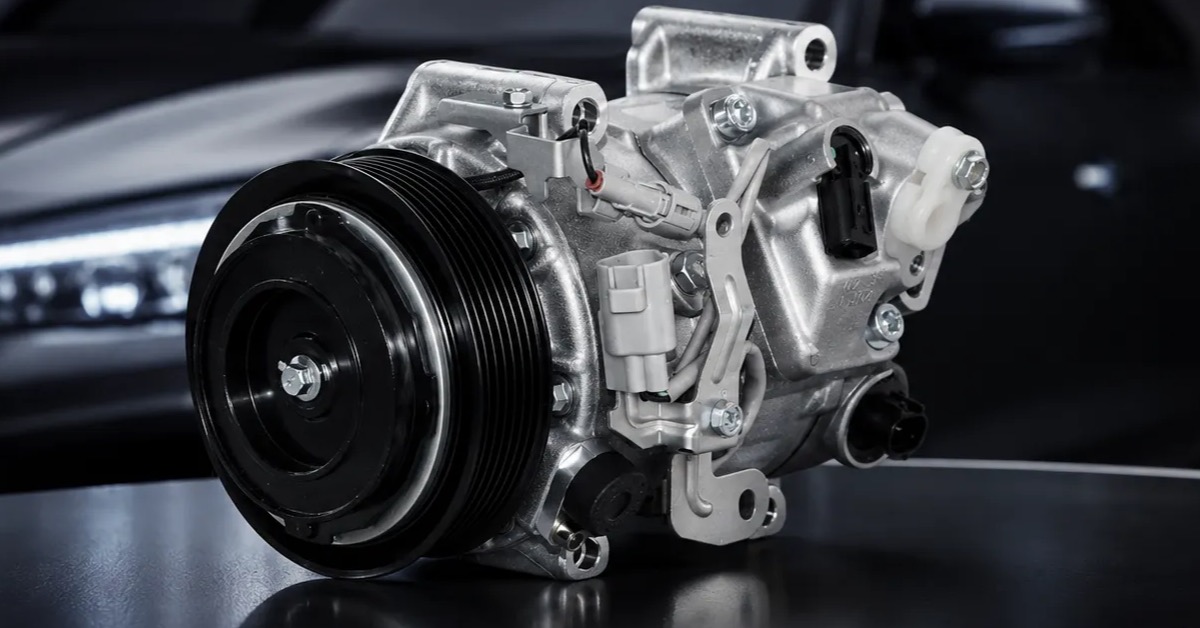
Automotive air conditioning expansion valves are typically installed before the high-pressure liquid refrigerant enters the evaporator. The valve regulates the refrigerant supply through an internal throttling structure and a temperature-sensing and actuator mechanism, enabling the evaporator to operate under different loads. The illustrated type, visually, is a block-shaped or block-type thermostatic expansion valve, featuring a rectangular metal valve body, multiple refrigerant inlets, threaded connections, and a circular actuator or temperature-sensing component located at the top.
However, similar appearances do not mean they are interchangeable. Interface direction, orifice positions, internal valve body passages, sealing methods, actuator characteristics, and compatible air conditioning systems may all differ. Just because a valve can be installed in a space does not mean it will provide the correct refrigerant control in the target vehicle. For purchasing managers, the correct decision-making sequence should be: first confirm the system and application, then verify the interfaces and functions, and finally evaluate the manufacturer's workmanship and quality control, rather than simply picking a model that looks identical from a catalog image.
Quick Assessment: What Should Be Focused On for Different Procurement Objectives?
| Procurement Target | Priority verification content | It is not advisable to only look at what |
|---|---|---|
| After-sales replacement | Vehicle compatibility, comparison with used parts, interface orientation, installation space and part number | Valve body color or shape similarity |
| bulk distribution | Model coverage, batch consistency, packaging labeling, traceability, and quality documentation | Price per sample |
| OEM/ODM projects | Drawing review, structural development, fabrication capabilities, assembly and verification processes | Can you provide samples quickly? |
| Commercial vehicles or engineering equipment | Operating environment, vibration conditions, system interfaces and maintenance methods | General experience in passenger vehicles |
If the project simply involves replacing known original equipment manufacturer (OEM) parts, the supplier's catalog coverage and identification capabilities may be more important than redesign capabilities. If the project requires changes to interfaces, valve body dimensions, or actuators, it should proceed directly to a technical review; generic aftermarket parts should not be treated as custom products.
Manufacturing challenges from the perspective of product structure
Valve body machining is not just about appearance precision.
The rectangular valve body of this type of expansion valve typically requires end face machining, hole machining, internal channel drilling, thread machining, interface chamfering, and deburring. Depending on the supplier's specific specifications, the valve body may be machined from metal blanks such as castings, forgings, or bars and plates. Current information suggests that aluminum alloy is a reasonable material guess, given the sample's silver color, machined surface, and relatively lightweight appearance; however, the exact alloy grade has not been provided, and this cannot be used to confirm the material for the supplier.
Internal channels deserve particular attention. Even if the external surfaces are machined neatly, burrs, chips, or cleaning residue may still remain in internal cross-holes, valve seat areas, and interface transitions. These can affect flow paths, seals, and valve spool movement. During procurement, suppliers should be asked to explain their internal cleaning, deburring, and foreign object prevention control methods, and to clarify which items are subject to outgoing inspection and which require process audits or sample verification.
Top-level execution components affect control performance
The circular assembly at the top of the valve body is typically associated with a temperature sensor or actuator, and is visually represented by a raised central actuator or sensing component. The internal structure cannot be confirmed from photographs alone, and the material of the top assembly may include steel or other metal parts. The supplier should provide a structural description, at least informing the engineering team how this assembly mates with the valve needle, seat, or regulating mechanism inside the valve body.
Here's a practical procurement warning: Don't just ask the supplier to "make one exactly like the original." For thermostatic expansion valves, copying the shape doesn't prove identical regulating characteristics. If the replacement part is used in existing vehicles or equipment, the used part, original part number, installation diagram, and system information should be provided; if it's used in a new project, the air conditioning circuit requirements should be provided, and the supplier should participate in the selection and verification process.
How to audit a supplier's manufacturing capabilities
An ideal supplier should not only possess a machining workshop but also be able to connect product development, assembly, testing, and quality management. Existing information indicates that the relevant company has a background in manufacturing automotive compressors and steering components, and covers product development, machining, assembly, testing, and OEM/ODM customization capabilities; the information also mentions IATF 16949 quality management system certification. These capabilities are valuable for an expansion valve project, but the purchaser should still confirm whether the certification is applicable to the specific production location, project scope, and current products.
The review process can focus on the following questions:
- Can you complete the drilling, tapping, end face machining, deburring and cleaning of the valve body according to the drawings?
- Are there incoming material inspection requirements for valve bodies, top components, and seals?
- Are there any tests conducted after assembly to assess valve function, sealing, or on/off status? Do the test methods correspond to the project requirements?
- Are critical dimensions supported by inspection tools, gauges, or process records, rather than just being checked randomly at the final stage?
- When custom products undergo changes, is it possible to control the drawing version, material changes, process changes, and sample approval status?
- Can batches be identified and traced to facilitate the identification of after-sales issues?
Do not equate "having CNC equipment" directly with "being suitable for producing air conditioning control valves." Equipment only indicates the possibility of processing; it does not indicate that internal channels, seals, assembly cleanliness, and functional consistency have been controlled.
What information should be requested from the auto expansion valve supplier?
When initially communicating with an auto expansion valve supplier, it is recommended to divide the inquiry information into two parts: product identification and technical verification. Product identification information includes the target vehicle model or equipment, photos of the used part, original part number, number and orientation of interfaces, installation location, connection method, and whether the existing valve needs to be replaced. Technical verification information should include two-dimensional drawings or three-dimensional data, specified refrigerant, system pressure range, evaporator and compressor information, ambient temperature range, and applicable sealing material requirements.
If these parameters are not yet determined, the supplier should be clearly informed that the selection phase is underway, rather than being asked to make direct performance commitments. Suppliers can initially propose solutions based on the visible structure and application scenario, but the final flow capacity, pressure rating, temperature range, and system compatibility still require engineering verification. The documentation currently does not provide specific dimensions, weight, refrigerant type, operating pressure, flow rate, temperature range, sealing materials, connector configuration, surface treatment, or performance test results; therefore, these details cannot be replaced by vague descriptions in the procurement contract.
Common Procurement Mistakes
Treating the same interface as the same function
Multiple circular interfaces and threaded connection points represent only a portion of the external connection methods. Internal flow paths and actuation characteristics may still differ. Before installation, drawings and samples should be compared and confirmed; substitution relationships cannot be determined solely by port diameter.
Sample only, not batch production process.
A prototype can originate from the debugging process, and may even undergo manual adjustments. Mass production, however, faces challenges such as tool wear, fluctuations in cleanliness, assembly sequence, and differences in incoming materials. The purchasing party should inquire about how the prototype is transferred to mass production, and how critical processes are recorded and released.
Comparing unit prices too early
Internal machining, cleaning, sealing, and testing of the valve body all affect costs. If a supplier's quote doesn't specify the product range, a low price may simply mean they've omitted verification, packaging, or traceability. A more prudent approach is to first define the technical boundaries, then compare the total procurement cost and after-sales risks.
Practical advice on wholesale car AC expansion valves
For car AC expansion valve wholesale projects, distributors should prioritize establishing model and compatibility information management rather than simply expanding inventory. Each model should be associated with at least a product photo, part number, interface information, range of compatible vehicles or equipment, packaging labels, and version history. If the supplier can provide OEM/ODM customization, standard products, modified products, and newly developed products should be differentiated during the quotation stage to avoid customers confusing different responsibilities.
Packaging is equally important. The interfaces and sealing areas of automotive air conditioning valves should be protected during transport from dust, damage, and mixing with other parts. Packaging labels should correspond to the batch and model; for multiple valves with similar appearances, it is especially important to prevent warehouse picking errors. In the aftermarket, misfitting is often more difficult to handle than a single defective part.
FAQ: Some of the most frequently asked questions by buyers
Can the expansion valve model be identified based on a picture alone?
No. Images can help determine product category and general structure, but they cannot confirm dimensions, internal flow channels, pressure capacity, refrigerant compatibility, or vehicle model matching. Images should be used as preliminary identification data and cannot replace drawings and sample verification.
Has the aluminum alloy valve body been finalized?
Judging from the silver, machined appearance, aluminum alloy is a reasonable assumption, but the exact material has not yet been provided. When procuring, you should request the material grade, material certificate, or official specifications from the supplier, and confirm the materials for the top-mounted components and seals.
Does a supplier's experience in automotive parts guarantee they can produce this valve?
Not necessarily. The structure and verification focus differ for automotive compressors, steering components, and air conditioning expansion valves. Automotive manufacturing experience is a valuable foundation, but it's still necessary to verify capabilities in valve body machining, cleaning, assembly, sealing, and functional testing.
When is it appropriate to do OEM/ODM customization?
When existing products cannot meet interface, installation space, control characteristics, or vehicle model compatibility requirements, OEM/ODM evaluation can be initiated. Before the project begins, complete requirements should be prepared, clearly defining which dimensions must be maintained, which structures can be adjusted, and the sample approval and change management methods.
Next step: Turn the price inquiry into a verifiable engineering project.
If you are looking for an AC expansion valve manufacturer, it is recommended to first prepare a one-page product requirements sheet: application vehicle or equipment, original part number, interface and installation information, system refrigerant, existing drawings or samples, expected purchase quantity, and required quality documents. Then, have the supplier answer questions regarding product compatibility, manufacturing process, assembly and testing, materials, and change control.
For automotive air conditioning thermal expansion valves like the one illustrated, a reliable supplier evaluation should move beyond simply "can it be manufactured" to "can it be manufactured reliably according to a consistent process and proven to be suitable for the target system." Do not promise specific performance before the technical boundaries are confirmed; and do not directly use visually similar valves for batch replacement before sample verification. Completing specification confirmation, engineering review, and sample verification before discussing batch pricing and delivery arrangements typically reduces subsequent rework and after-sales risks.