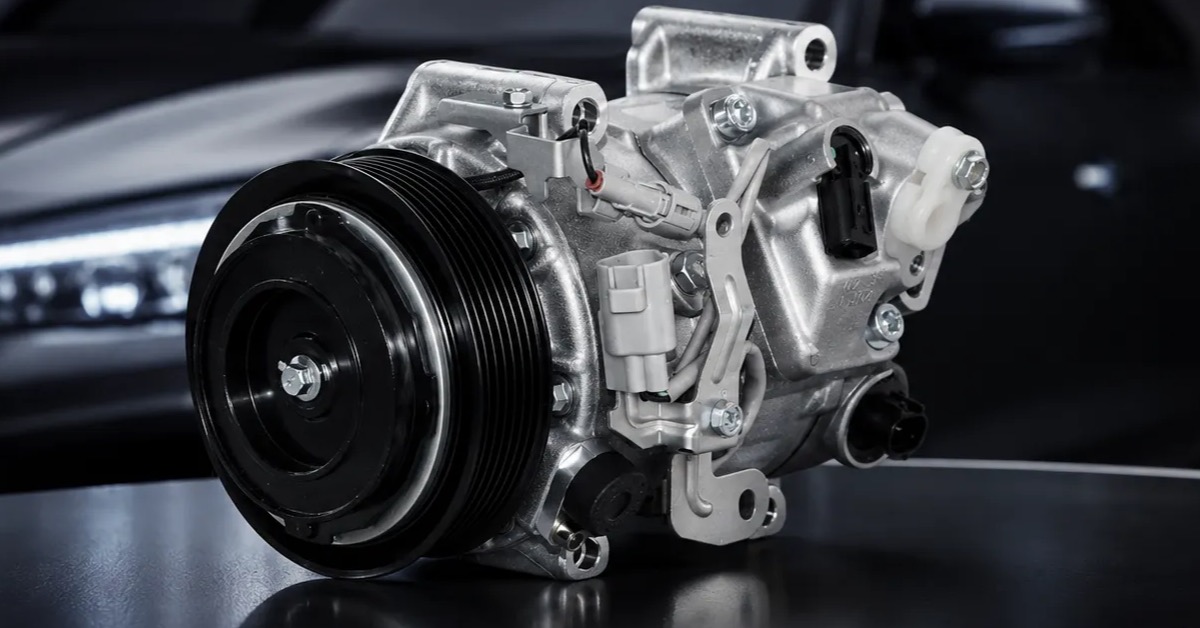
An automotive blower motor manufacturer should be evaluated on application accuracy, electrical and mechanical design control, airflow performance, noise and vibration, durability, traceability, and the ability to maintain the approved configuration. A motor that fits the housing may still create weak airflow, excessive current, unstable speed, noise, connector problems, or premature brush and bearing wear.
This ZUA Auto Parts resource helps distributors organize the evidence needed before quotation; confirm the exact application, interfaces, tests, and supplied scope for every requested part.
This guide is for distributors, importers, aftermarket brands, HVAC system teams, and repair networks sourcing cabin blower motors. It also explains how to verify whether the quoted company manufactures the product, assembles it, or supplies it through an approved partner.
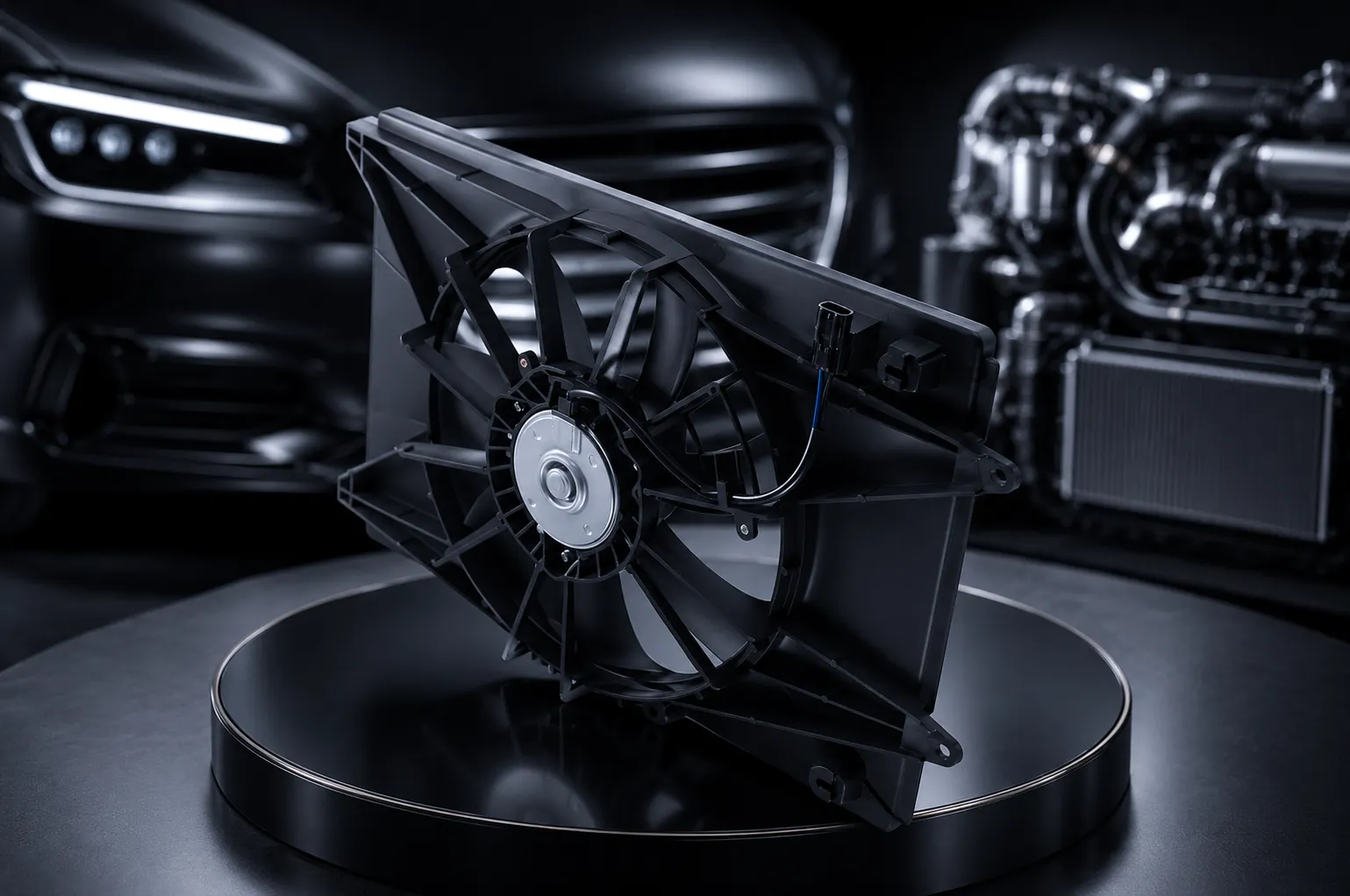
Automotive blower motor manufacturer evaluation checklist
| Area | What to confirm | Evidence |
|---|---|---|
| Application | Vehicle, HVAC case, mounting, wheel, connector | Controlled application record |
| Electrical | Voltage, current, speed, polarity, control | Specification and test data |
| Mechanical | Shaft, bearings, housing, wheel balance, fasteners | Drawing and inspection plan |
| Airflow | Flow and pressure at defined conditions | Performance curve or test report |
| NVH | Noise and vibration under defined mounting | Test setup and results |
| Durability | Duty cycle, thermal, cycling, and wear risk | Validation plan and report |
| Quality | Traceability, calibration, nonconforming control | Audit and lot records |
| Commercial | MOQ, lead time, packaging, warranty | Part-specific written quotation |
1. Confirm the application and HVAC housing
Provide OE or cross-reference numbers, make, model, year, market, HVAC variant, and any resistor or electronic control information. Confirm mounting points, flange or housing shape, wheel diameter and width, rotation, shaft position, connector, wire length, seals, and clearance.
Do not approve a blower motor from connector shape or overall diameter alone. A change in wheel geometry, rotation, offset, or motor speed can alter airflow and noise even when installation is possible.
2. Clarify supplier and manufacturing responsibility
Ask whether the automotive blower motor manufacturer produces the motor, plastic or metal wheel, housing, connector, and electronic controller in-house or uses approved sub-suppliers. Determine who owns the drawing, performance specification, tooling, validation, and changes.
ZUA presents blower motors as part of its wider automotive HVAC supply portfolio. Because its public manufacturing focus is automotive A/C compressors, buyers should confirm the responsible production site and process scope for each blower motor quotation rather than assuming all catalog items follow the compressor production route.
3. Review motor and component specifications
The controlled specification may include voltage range, nominal and locked current, speed, torque, direction, insulation, brush and commutator design where applicable, bearing or bushing arrangement, shaft, wheel material, housing, connector, wire, and protection features. The exact requirements depend on the vehicle system.
Ask how incoming motors, wheels, bearings, connectors, and electronics are verified. If alternative materials or suppliers are permitted, define equivalence and reapproval rules.
4. Verify electrical performance
Test conditions should state supply voltage, load, temperature, controller or resistor configuration, mounting, measurement method, and acceptance criteria. Review current draw, speed, starting behavior, direction, and any multi-speed or electronic control function required by the application.
A no-load spin test is not a complete performance check. The blower wheel and HVAC restriction influence the operating point. Compare results under a representative load or agreed fixture.
5. Measure airflow and pressure
The blower must deliver the required cabin airflow through the HVAC case. Ask for airflow and pressure data under defined voltage, speed, wheel, housing, inlet, outlet, and environmental conditions. Results from a bare motor or a different wheel do not prove the complete assembly.
For a new or changed design, connect component data to HVAC bench or vehicle checks. Document filter condition, doors, vents, controller settings, and measurement points so results can be repeated.
6. Control noise and vibration
Noise can come from motor electromagnetic behavior, brushes, bearings, wheel imbalance, housing resonance, mounting, airflow, or contact with surrounding parts. The test should define mounting, speed points, voltage, background noise, instrumentation, and acceptance method.
Inspect wheel runout, balance controls, shaft fit, bearing play, fasteners, and protective packaging. A balanced sample can become noisy if the wheel is bent during shipment.
7. Validate durability and thermal behavior
Durability testing should reflect the intended duty cycle, starts and stops, speed range, temperature, voltage, load, and environmental conditions. The plan should identify samples, duration or cycles, interruptions, measurements, failure criteria, and post-test inspection.
Review brush wear, bearings or bushings, commutator condition, wires, terminals, electronics, wheel attachment, and housing after testing. Any design or sub-supplier change should trigger a documented validation review.
8. Audit assembly and end-of-line controls
Observe part verification, press or fastening operations, torque where applicable, wire routing, connector orientation, wheel attachment, runout, balance, electrical checks, speed or functional checks, noise screening, labeling, and nonconforming-material isolation.
The official ISO 9001 quality-management overview emphasizes customer focus, effective processes, and improvement. Buyers should look for those principles in the actual blower motor control plan and records.
9. Test traceability and change management
Select a finished assembly and trace it to date, line or station, operator or equipment where recorded, electrical results, and critical component lots. Perform a forward trace from a motor or wheel lot. Confirm how mixed or nonconforming variants are isolated.
Change notices should cover motor, brushes, bearings, shaft, wheel, housing, connector, wire, electronics, sub-supplier, tooling, assembly, test program, site, and packaging.
10. Approve packaging and labels
Packaging must protect the wheel, shaft, connector, wires, housing, and mounting features from impact and distortion. Review individual trays or dividers, carton strength, pallet pattern, labels, barcodes, artwork, and handling instructions.
Part identification should separate visually similar clockwise and counterclockwise variants, wheel sizes, connectors, and controller versions. Approve the exact packaging and label revision with the sample.
11. Compare commercial and warranty support
Ask for MOQ, sample cost, tooling, lead time, mixed-order rules, private-label options, packaging, warranty, and return-analysis process for the exact part. Clarify whether the supplier can support the target range and forecast without uncontrolled substitutions.
Warranty review should distinguish product, application, installation, blocked airflow, damaged wheel, controller, and vehicle electrical causes. Returned-part analysis should lead to corrective action when a supplier cause is confirmed.
Verify resistor, controller, and speed-command compatibility
The blower motor is only one part of the cabin airflow circuit. Depending on the vehicle, speed may be controlled through a resistor pack, power transistor, electronic module, pulse-width signal, network command, or another architecture. Ask the automotive blower motor manufacturer to identify the intended control route and the matched connector, pinout, polarity, current range, and protection assumptions.
Test every required speed or command state under a representative wheel and airflow restriction. Record supply voltage, command, current, motor speed, airflow, temperature, and abnormal behavior. A motor that operates at full battery voltage may still be incompatible at lower speeds, during soft start, or when the vehicle module monitors current and faults.
Clarify whether the quotation includes only the motor, a motor-and-wheel assembly, or a complete module with housing and controller. When a controller or resistor is supplied separately, verify part pairing and label control. The automotive blower motor manufacturer should notify the buyer before changing electrical components, software, connector sources, or winding details that could alter vehicle behavior.
Use first-lot verification to protect sample approval
Special samples can differ from normal production. For the first volume lot, compare selected dimensions, connector identity, current, speed, rotation, balance, noise, packaging, and traceability against the approved sample and records. Review actual component lots and end-of-line data. This step helps confirm that the approved route is reproducible before stock reaches multiple warehouses or repair customers.
Sample approval process
- Freeze application, dimensions, electrical data, wheel, connector, and control requirements.
- Confirm sample identity and any deviations.
- Review dimensions, current, speed, direction, airflow, noise, and required durability evidence.
- Complete HVAC-case fit and vehicle or bench checks.
- Approve packaging, labels, and catalog references.
- Define first-lot and change-notification controls.
Frequently asked questions
Can two blower motors with the same size be interchangeable?
Not necessarily. Mounting, wheel, rotation, speed, current, connector, control, and HVAC performance may differ.
What electrical data should buyers request?
Request voltage, current, speed, direction, starting behavior, control method, and test conditions for the complete assembly.
How is blower motor airflow tested?
Use a defined wheel, housing or fixture, voltage, speed, restriction, instrumentation, and acceptance criteria.
Why is wheel balance important?
Imbalance can increase vibration, noise, bearing loads, and customer complaints.
What should a durability report include?
It should identify samples, duty cycle, voltage, temperature, load, duration or cycles, criteria, results, and post-test inspection.
Does a supplier certificate approve the product?
No. It supports system confidence, but the target motor still requires model-specific process and test evidence.
Can ZUA provide blower motor sourcing support?
ZUA lists blower motors for cabin airflow and replacement applications on its blower motor category page. Confirm the responsible production route and target model details during inquiry.
What should be included in the RFQ?
Send OE references, vehicle data, mounting, wheel, connector, voltage, control, forecast, validation, packaging, and target market through the contact page.
Approve the automotive blower motor manufacturer with evidence
A reliable automotive blower motor manufacturer decision links application data, motor and wheel specifications, electrical and airflow tests, NVH, durability, traceability, packaging, and change control. Use the same checklist for every candidate so price is compared only after technical risk is visible.