An automotive parts sample approval process should prove exactly what product, revision, process, packaging, and evidence the buyer is accepting before volume orders begin. A sample that looks correct is not enough if its application, lot, materials, test conditions, deviations, or production route cannot be traced.
ZUA Auto Parts uses this buyer-focused framework to turn the topic into a clearer product inquiry, while application, construction, and evidence must still be confirmed for each SKU.
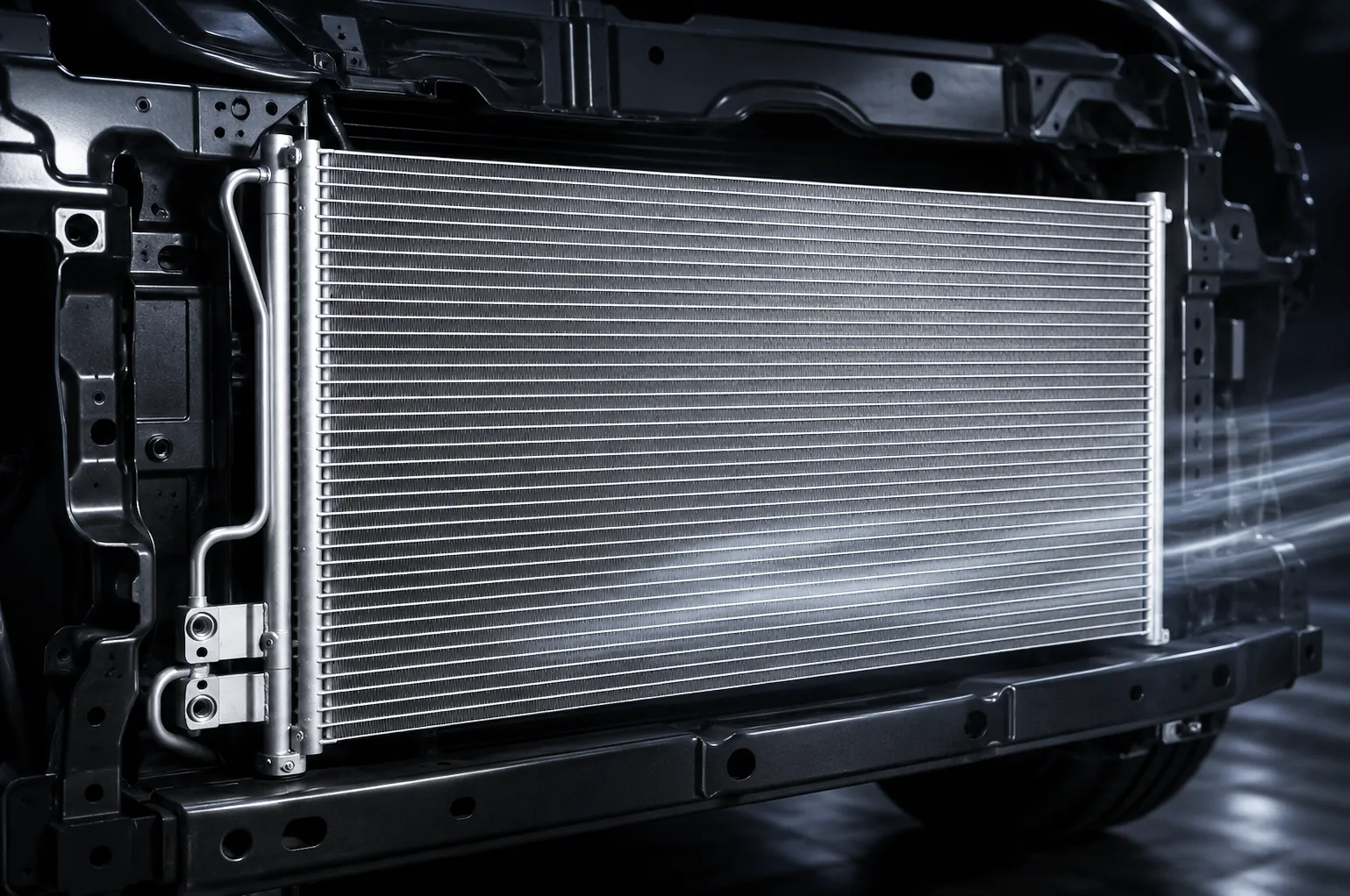
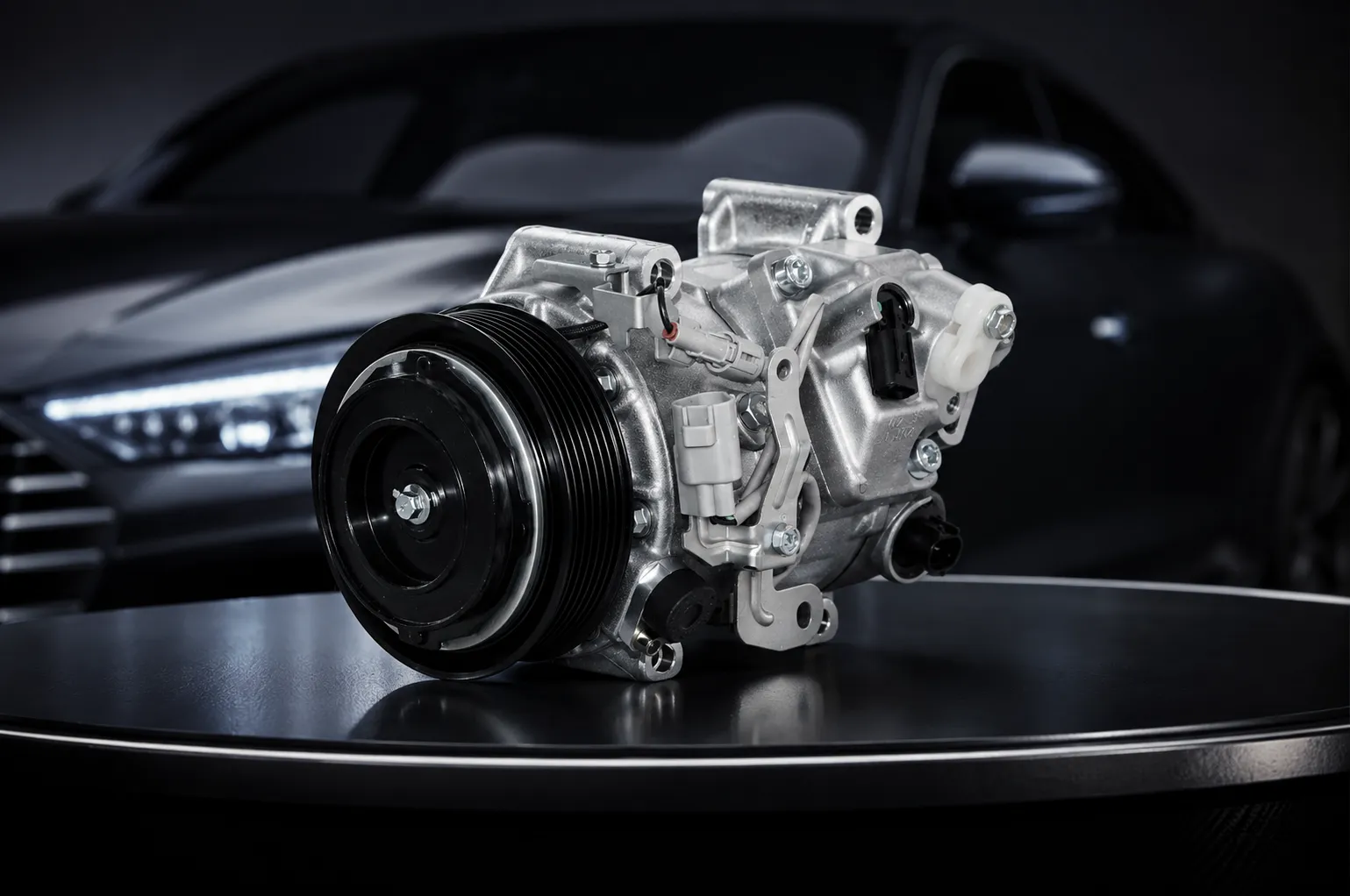
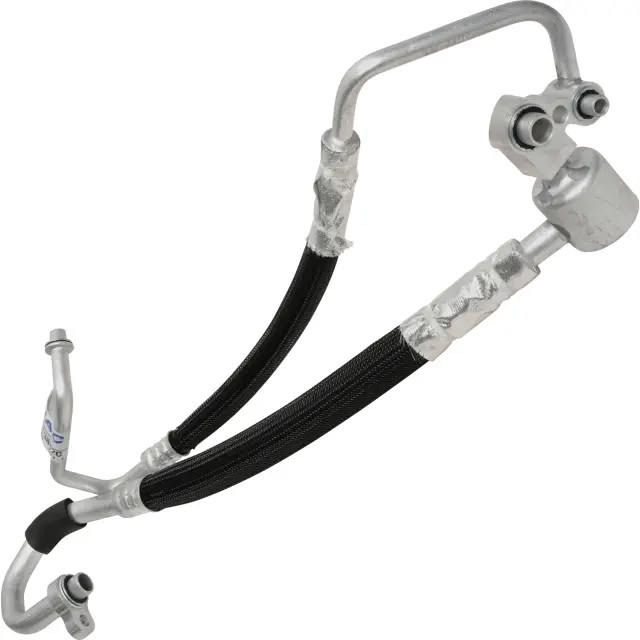
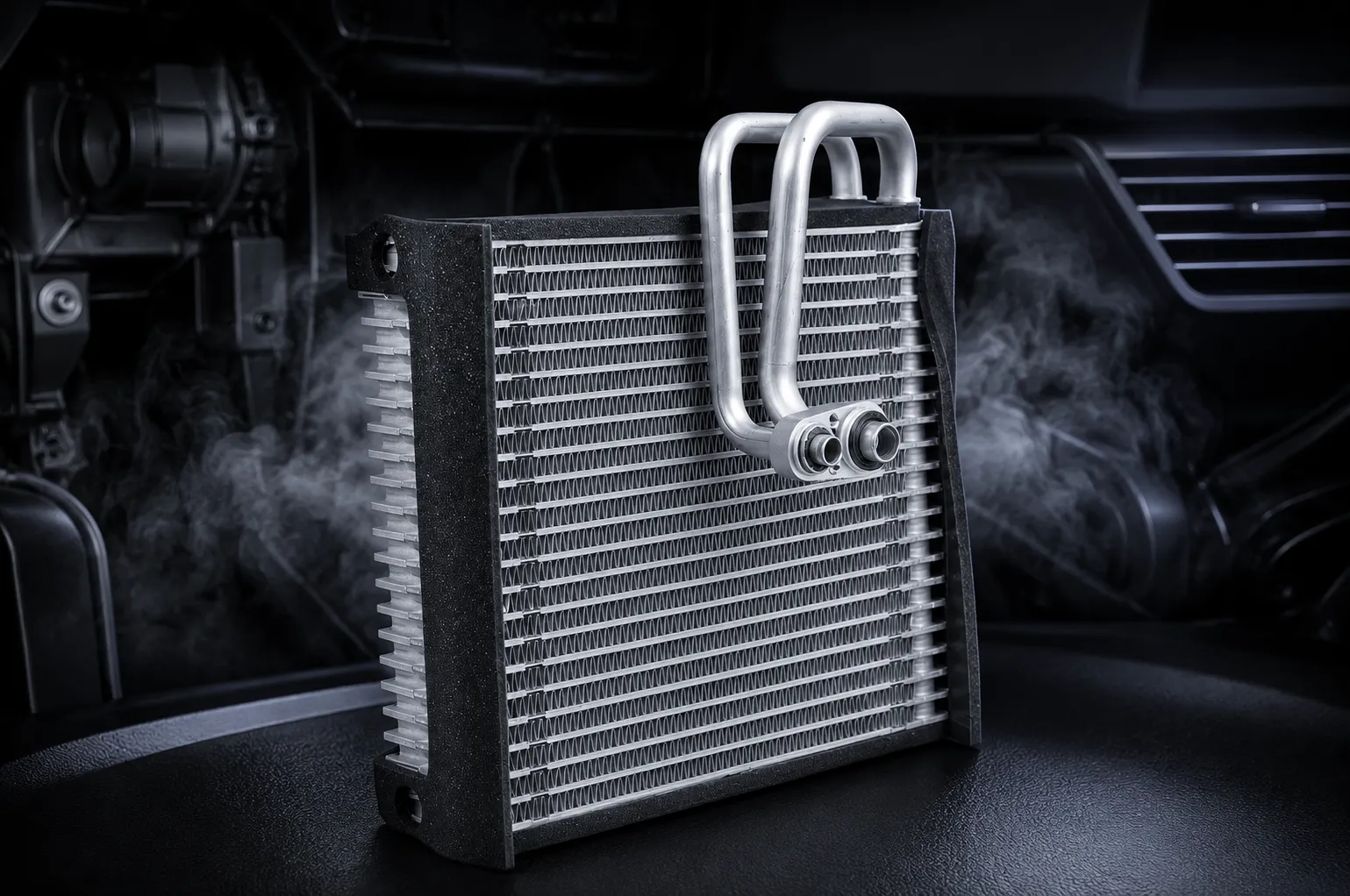
This guide is for distributors, importers, private-label brands, service networks, and OEM/OES sourcing teams approving compressors, condensers, evaporators, expansion valves, receiver driers, hose assemblies, blower motors, cooling fans, pumps, or other automotive components.
Automotive parts sample approval process: approval gates
| Gate | Buyer output | Risk controlled |
|---|---|---|
| 1. Requirement freeze | Application, drawing, tests, packaging, and open items | Supplier builds to assumptions |
| 2. Sample plan | Quantity, type, source, timing, and responsibilities | Unrepresentative samples |
| 3. Identity review | Part, revision, lot, process, and deviation record | Wrong item becomes the standard |
| 4. Inspection and tests | Traceable results against approved criteria | Appearance replaces evidence |
| 5. Fit and system validation | Bench, vehicle, or mating-part approval | Hidden interface failures |
| 6. Packaging approval | Protected part, label, barcode, and artwork | Shipping damage and identification errors |
| 7. Release decision | Approved, conditional, or rejected status | Open deviations are forgotten |
| 8. First-lot confirmation | Production-intent comparison | Special sample differs from volume product |
1. Freeze the buyer's requirement package
Start with OE or cross-reference numbers, vehicle make, model, year, engine, market, system variant, controlled drawing, interfaces, critical characteristics, materials, performance, required validations, regulatory or destination requirements, labels, packaging, forecast, and commercial assumptions. Separate mandatory requirements from preferences.
When information is missing, maintain an open-item list with owner and due date. Do not let a quotation photo or verbal statement become an uncontrolled specification.
2. Define the sample purpose
A reference sample, appearance sample, fit sample, engineering prototype, tooling sample, validation sample, packaging sample, and production-intent sample answer different questions. State the purpose and limits in the request. A prototype may support design learning but should not be released as proof of normal production without additional evidence.
The automotive parts sample approval process should also state sample quantity, selection method, required lots or builds, supplier and buyer responsibilities, test location, costs, timing, and disposition after review.
3. Confirm who controls the product and process
Identify the legal seller, design owner, manufacturing site, assembly site, test site, critical sub-suppliers, exporter, and warranty-analysis owner. Ask which operations are in-house and which are outsourced, and who approves changes.
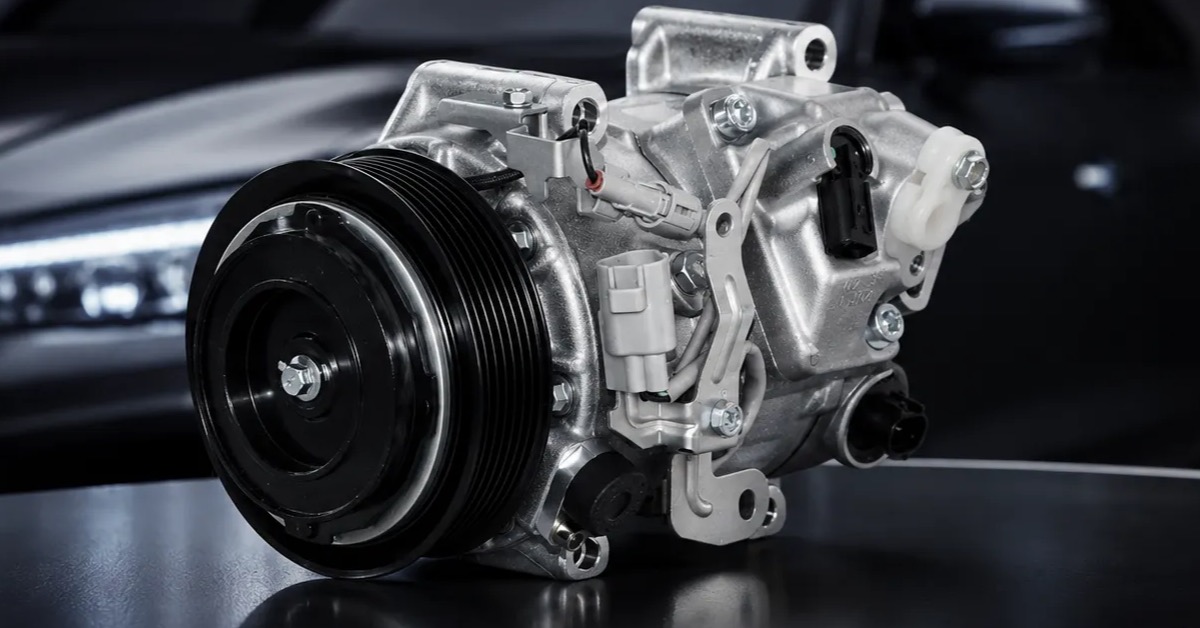
ZUA identifies automotive A/C compressors as its core manufacturing focus and also supplies a wider range of HVAC and thermal-management parts shown in its product portfolio. Buyers should verify the responsible route for each sample. Supplier transparency is more useful than assuming one site makes every product in a catalog.
4. Require a traceable sample identity
Every item should carry or accompany part number, drawing or specification revision, sample number, lot or serial reference, manufacturing date, site, process status, materials or critical components where required, and deviations. Record whether it came from prototype, pilot, or normal production.
Photograph the sample, labels, packaging, markings, connectors, ports, and identifying features before testing. If the sample is modified, repaired, or opened, update its history.
5. Review the supplier submission before testing
The submission package may include drawing, specification, bill of materials or controlled component list, process flow, control plan, inspection report, material evidence, functional and performance results, validation reports, calibration references, deviation list, packaging, label, and application record. The appropriate set depends on project risk and customer requirements.
The automotive parts sample approval process should name the owner of each document and distinguish supplier evidence from buyer-side validation.
Check document consistency. Part numbers, revisions, sample identity, dates, units, conditions, criteria, and results should agree. A generic report for another model can be background information but not direct approval evidence.
6. Inspect dimensions and critical interfaces
Use the controlled drawing and approved measurement method. Review datums, critical dimensions, sealing surfaces, mounting, ports, connectors, pulley or shaft features, brackets, hose routes, core envelope, or other relevant interfaces. Record actual values rather than only “OK” where useful for comparison.
Confirm equipment status, fixture revision, measurement uncertainty where material, and any characteristics that cannot be measured by the supplier. Resolve out-of-tolerance results through a formal deviation or sample correction, not a handwritten exception without an owner.
7. Verify materials and component sources
Request the evidence appropriate to risk: material certificates, incoming inspection, component specifications, approved source, lot identity, or laboratory results. Visual appearance does not prove alloy, polymer, seal compound, coating, lubricant, electronics, or internal construction.
If an alternative source is proposed, document equivalence and validation. The approved condition should state whether a named source is mandatory or whether controlled alternatives are allowed.
8. Review functional and performance tests
Every result should identify sample, revision, setup, equipment, conditions, method, acceptance criterion, raw or summarized data, date, operator or laboratory, and disposition. Distinguish end-of-line checks, performance characterization, design validation, and buyer-side tests.
For HVAC parts, evidence may address leak integrity, cooling or heat transfer, pressure drop, flow control, electrical behavior, airflow, noise, vibration, cleanliness, or durability. Select tests based on the specific component and application.
9. Complete fit, mating, and vehicle checks
A bench report cannot always reveal installation interference, port angle, hose stress, pulley alignment, connector access, control behavior, airflow, mounting resonance, or packaging-related distortion. Use mating components, a representative fixture, HVAC bench, cooling circuit, or vehicle where required.
Record vehicle or system configuration, installation steps, tools, torque, refrigerant or fluid, operating conditions, measurements, abnormal observations, photos, and removed-part inspection. Do not rely on an informal workshop message as the only evidence.
10. Approve packaging, labels, and catalog data
The automotive parts sample approval process should cover the condition in which the customer receives the part. Review caps, corrosion protection, fin or port protection, trays, dividers, carton, pallet pattern, labels, barcodes, private-label artwork, instructions, country-of-origin statements, and application references.
Check that similar variants cannot be mixed. A correct part in the wrong box is a product failure for the buyer. Packaging and catalog revisions should be controlled alongside the physical component.
11. Record deviations explicitly
A deviation should identify the requirement, actual condition, reason, risk assessment, affected samples or lots, temporary or permanent status, required validation, owner, approval, and expiration. Conditional approval is valid only when the open actions and purchasing limits are clear.
Do not erase a failed result by replacing the sample. Preserve rejected evidence and record the corrected revision. This history helps prevent the same assumption from returning during production.
12. Use a clear approval decision
| Status | Meaning | Purchase implication |
|---|---|---|
| Approved | Defined product, process, packaging, and evidence meet requirements | Volume release within stated scope |
| Conditional | Specific deviations or open actions are accepted temporarily | Limited order, expiry, and closure required |
| Rejected | Requirements or evidence are not met | No release; corrected resubmission required |
| Reference only | Sample supports information but is not production approval | Cannot authorize volume production |
The approval form should identify approvers from engineering, quality, purchasing, operations, brand, or other functions according to responsibility. Store the approved sample or clear retained evidence so later disputes can be resolved.
13. Confirm the first production lot
Compare first-lot units with the approved sample and submission. Check selected critical dimensions, materials or component lots, process records, functional results, labels, packaging, and traceability. Confirm that temporary prototype steps have been removed or formally approved.
Review capacity, line conditions, operator training, equipment, gauges, and nonconforming controls. This gate is especially important when the sample was built on pilot tooling or under close engineering supervision.
14. Lock change-notification rules
Define notification and approval triggers for drawings, materials, critical components, sub-suppliers, tooling, equipment, software, production site, process parameters, test methods, packaging, labels, and repair. State the notice period, required evidence, and reapproval level.
The IATF 16949 overview describes a harmonized automotive quality-management approach. Certificate scope supports system confidence, but the buyer's approved sample, requirements, records, and change agreement define the project condition.
Frequently asked questions
How many samples should a buyer request?
Quantity depends on design risk, tests, destructive inspection, variation, lots, and customer requirements. One unit is rarely enough for all approval questions.
Is a reference sample the same as an approved sample?
No. A reference may illustrate fit or appearance, while approval requires defined identity, requirements, evidence, deviations, and release scope.
Can a prototype sample approve production?
Only when its differences are understood and the required production-intent evidence is completed. Prototype tooling or special assembly should be documented.
What should a sample label include?
Use part number, revision, sample number, lot or serial reference, date, site, status, and deviation reference as appropriate.
Should packaging be approved with the part?
Yes. Packaging affects protection, cleanliness, identification, artwork, barcodes, handling, and the condition received by the customer.
What is conditional approval?
It is a limited release with explicitly accepted deviations, quantity or time limits, responsibilities, and action closure.
Why verify the first production lot?
It confirms that normal materials, tooling, operators, tests, labels, and packaging reproduce the approved sample condition.
How can ZUA review a sample request?
Send part references, vehicle data, drawings, forecast, test plan, packaging, and required documents through the ZUA contact page.
Make the automotive parts sample approval process auditable
A strong automotive parts sample approval process links requirements, supplier responsibility, sample identity, inspections, validation, deviations, packaging, first-lot confirmation, and change control. It gives purchasing a defensible release record and gives the supplier a precise condition to reproduce.