An IATF 16949 automotive parts supplier should be evaluated by more than a certificate PDF. Buyers need to confirm the legal entity, manufacturing site, certificate status and scope, relation to the quoted product, customer-specific requirements, process controls, testing, traceability, change management, complaint response, and evidence that the system operates in daily production.
For buyers sourcing through ZUA Auto Parts, this framework connects the technical question to a controlled product inquiry; exact fitment and quoted specifications remain SKU-specific.
This guide is for importers, distributors, private-label brands, service networks, and OEM/OES sourcing teams. It does not replace a qualified audit or customer approval process; it provides a practical structure for connecting management-system evidence to the actual part.

IATF 16949 automotive parts supplier verification checklist
| Area | Buyer check | Evidence |
|---|---|---|
| Identity | Legal company, address, site, and certificate match | Registration and certificate |
| Scope | Quoted product and manufacturing activity are covered | Certificate wording and site map |
| Status | Certificate is current and issued through a recognized route | Verified certificate information |
| Product responsibility | Design, manufacturing, testing, and outsourcing are transparent | Responsibility matrix |
| Process control | Risks and critical characteristics are controlled | Flow, control plan, instructions, records |
| Measurement | Inspection and test equipment are suitable and controlled | Calibration and system checks |
| Traceability | Lots and records support containment | Backward and forward drill |
| Improvement | Complaints and failures lead to effective action | Corrective-action evidence |
1. Understand what certification does and does not prove
The International Automotive Task Force explains that IATF 16949 was developed to harmonize automotive quality-management requirements. Certification can support confidence in a site's system, but it is not automatic approval of every product, drawing, process, or cross-reference.
Buyers still own supplier selection, product verification, contract requirements, sample approval, market compliance, and ongoing performance monitoring according to their role.
2. Match the legal entity and site address
Compare the certificate name and address with the quotation, invoice entity, factory visited, production location, and shipping documents. Ask whether remote support locations, warehouses, laboratories, or outsourced processes are included and how they relate to the certified site.
A sales office or exporter may not be the manufacturing site. That structure can work when responsibilities remain transparent and controlled.
3. Read the certificate scope carefully
Review product description, manufacturing activities, exclusions where applicable, site type, issue and expiration dates, certification body, certificate number, and supporting annexes. Confirm that the quoted product and relevant operation fall within the scope.
An IATF 16949 automotive parts supplier with strong compressor controls should not automatically be assumed to manufacture every valve, hose, motor, or pump in a broad catalog.
4. Verify current certificate status
Use the appropriate recognized verification channel, certification-body information, and supplier records. Review recent audit status, open nonconformities where disclosure is required by the relationship, significant changes, site moves, and any suspension or transition concerns.
Do not rely only on a low-resolution certificate attached to an email. Record when and how status was checked.
5. Map product and process responsibility
Identify design owner, manufacturing site, assembly site, test site, critical sub-suppliers, outsourced processes, exporter, and warranty-analysis owner. Create a responsibility matrix for drawings, specifications, tools, tests, changes, complaints, and records.
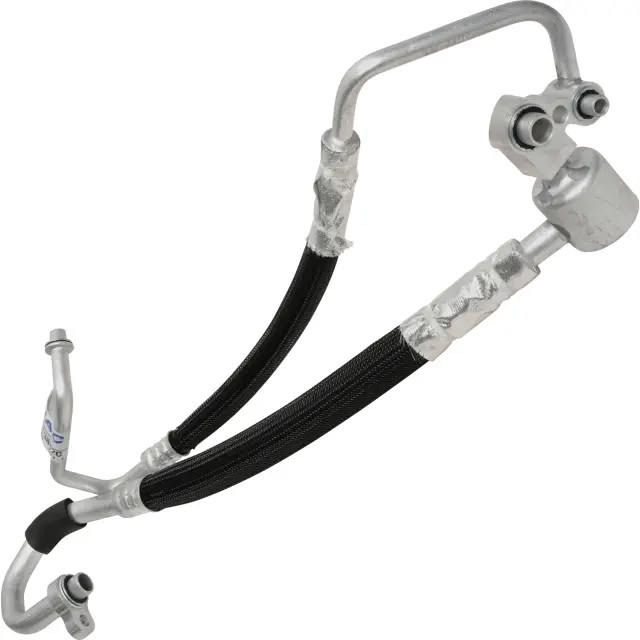
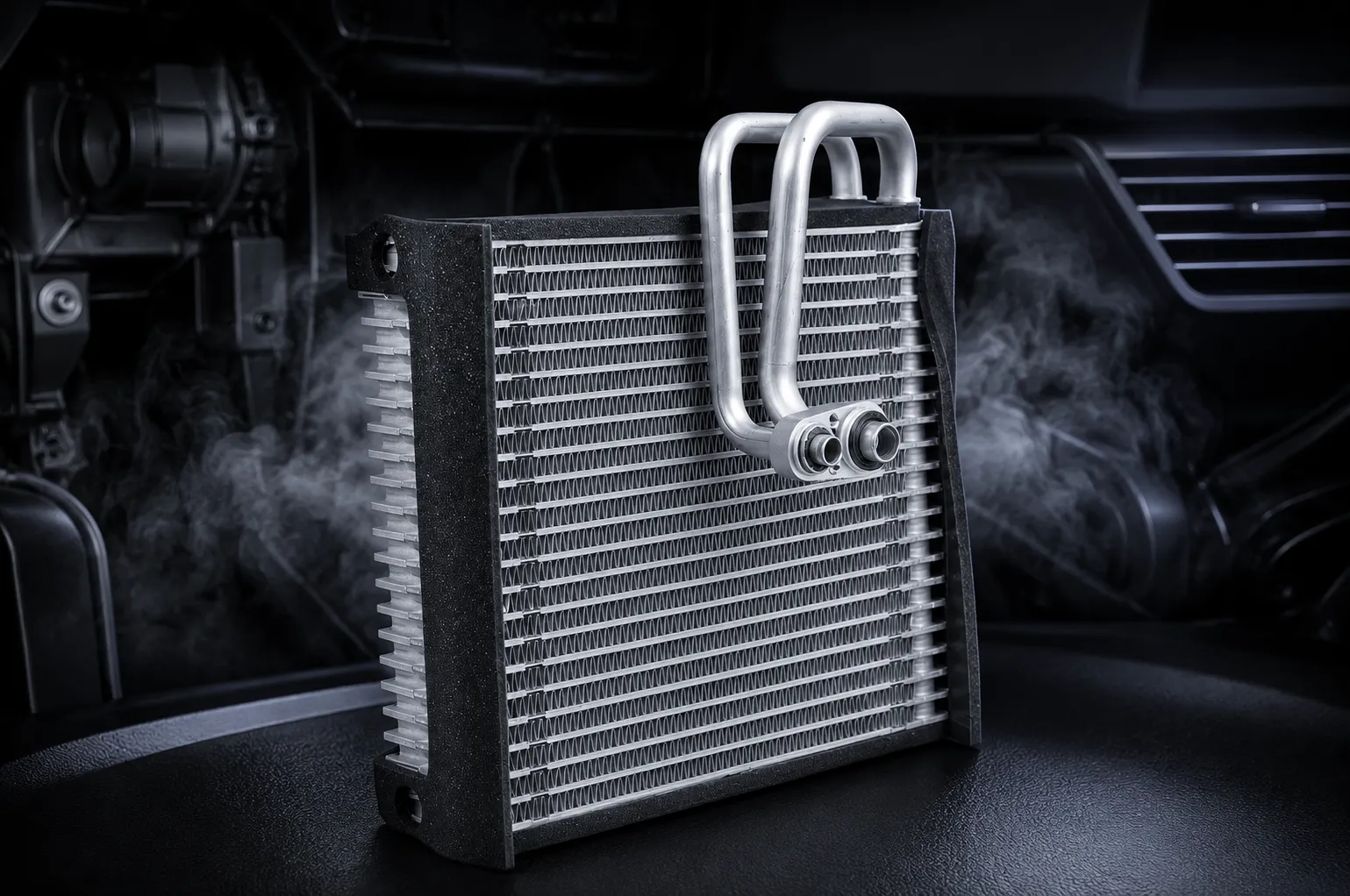
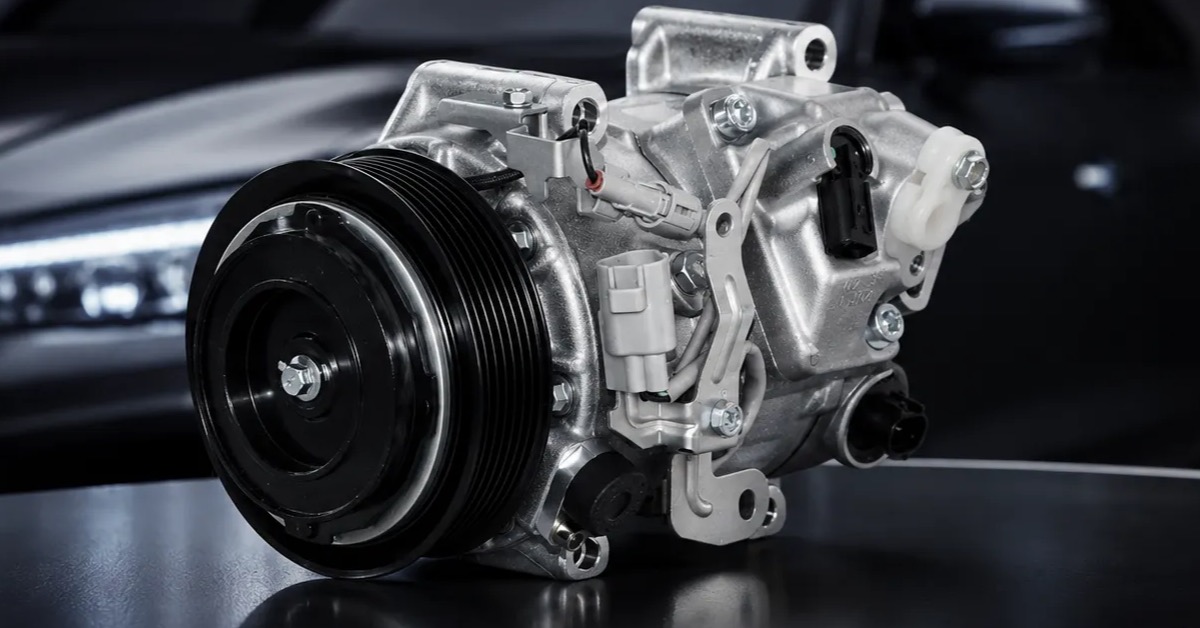
ZUA identifies automotive A/C compressors as its core manufacturing focus and supplies a wider HVAC and thermal-management portfolio. Buyers should connect its stated IATF 16949 system to the exact compressor or confirm the responsible route for other items shown on the product page.
6. Review customer and project requirements
System certification does not replace the buyer's drawing, test specification, packaging, labels, destination requirements, warranty terms, logistics rules, and customer-specific requirements. The supplier should identify, review, distribute, and update those inputs.
Audit how new requirements reach engineering, purchasing, production, quality, laboratory, packaging, and sub-suppliers. Check that obsolete revisions are removed from use.
7. Follow one product through the process
Choose a target part and follow receiving, storage, machining or forming, cleaning, subassembly, assembly, fastening, filling, inspection, testing, marking, packaging, and shipping as applicable. Compare actual practice with process flow, risk analysis, control plan, work instructions, and records.
Do not spend the audit only in a conference room. Daily records and operator actions show whether the documented system controls the real product.
8. Test control of critical characteristics
Ask how engineering and quality identify product and process risks, define prevention and detection, select equipment, set frequency, respond to abnormalities, and review capability. Trace a critical characteristic from drawing to risk analysis, control plan, instruction, gauge, record, and reaction plan.
The same characteristic should not use conflicting limits in different documents. Deviations require controlled approval and expiration.
9. Verify measurement and laboratory controls
Review equipment identification, suitability, range, resolution, calibration, verification, maintenance, fixtures, software or recipes, reference standards, environmental conditions, operators, and failed-calibration response. For external laboratories, clarify approval and report traceability.
ZUA states that its compressor operation uses helium leak detection and full-performance testing and that its laboratory supports performance, durability, vibration, noise, and after-sales analysis. Buyers should request target-model procedures and records.
10. Perform a traceability drill
Select a finished part and trace production date, line, shift or station, critical material and component lots, inspections, tests, rework, packaging, and shipment. Then select a critical lot and trace forward to finished and shipped items.
An IATF 16949 automotive parts supplier should be able to use traceability for practical containment, not only retrieve a label. Record time, gaps, affected quantity, and disposition.
11. Examine nonconforming-product control
Observe physical and electronic identification, segregation, review, concession, rework, repair, scrap, reinspection, and release. Confirm who can approve each disposition and how original failures remain visible.
ZUA reports abnormal-product isolation and Andon-based response within compressor production. During qualification, verify how the target line identifies an abnormal condition and prevents unintended shipment.
12. Review supplier and outsourced-process controls
Ask how critical suppliers are selected, approved, monitored, changed, audited, and developed. Review incoming evidence, performance, complaints, escalation, and special-process controls. When a process is outsourced, determine who owns the specification and final release.
Certificate scope does not make the entire lower-tier chain certified. The contracted supplier remains responsible for meeting agreed requirements.
13. Audit engineering and process changes
Review a recent change from request through risk assessment, validation, customer notification or approval, documents, tooling, training, stock transition, first production, and record retention. Define buyer notification triggers in the supply agreement.
Material, component, sub-supplier, design, tool, equipment, software, site, process, test, packaging, and repair changes can affect approval.
14. Evaluate complaint and corrective-action quality
Select a real complaint or internal failure and trace containment, returned-part verification, problem definition, root cause, corrective action, implementation, effectiveness, recurrence prevention, and customer response. Separate failure mechanism from management-system cause.
Good corrective action improves process controls, documents, training, error prevention, suppliers, tests, and similar products where relevant. Replacing one part is not enough.
15. Score ongoing supplier performance
Monitor quality, delivery, application accuracy, response, test evidence, change discipline, traceability, warranty analysis, and commercial support. Define thresholds, escalation, development, requalification, and exit conditions.
Certification is one input to supplier confidence. Consistent product and service performance determine whether the relationship should grow.
Use remote evidence without confusing it with an on-site audit
Remote document review can efficiently confirm certificate details, organization, process maps, selected records, test reports, and open questions. Live video may support equipment or traceability review. However, the supplier controls the camera view, timing, sample selection, and available records, so remote work has limits for observing material flow, segregation, housekeeping, operator behavior, and unplanned conditions.
For an IATF 16949 automotive parts supplier, choose on-site, remote, or hybrid verification based on product risk, changes, performance, customer requirements, and travel constraints. Record what was examined, what could not be verified, evidence retained, follow-up actions, and when an on-site visit remains necessary.
Frequently asked questions
Does IATF 16949 certification guarantee product quality?
No. It supports confidence in a quality-management system, while the exact product still requires specifications, controls, tests, validation, and monitoring.
How can a buyer verify certificate scope?
Compare the legal entity, site, product and activity wording, dates, certification information, and relation to the quoted manufacturing route.
Can a trading company use a factory's certificate?
The supply structure may include a trader, but representation must be accurate and responsibilities, site, product, testing, changes, and warranty analysis must be clear.
Should buyers still audit a certified supplier?
Audit depth depends on risk and customer requirements, but model-specific process verification is often necessary because a certificate is not product approval.
What records should be sampled during an audit?
Review target-product material, process, inspection, test, calibration, traceability, nonconforming, change, complaint, and corrective-action records.
Why perform a traceability drill?
It tests whether the supplier can identify affected parts and lots quickly enough for practical containment.
Is ZUA certified to IATF 16949?
ZUA states that its compressor manufacturing operation follows IATF 16949 and ISO 14001 management systems. Buyers should verify current certificate details and scope.
How can I request a ZUA qualification package?
Send target products, applications, forecast, certificate requirements, audit questions, and sample needs through the ZUA contact page.
Qualify an IATF 16949 automotive parts supplier through the product
The strongest IATF 16949 automotive parts supplier review connects verified certificate scope to the real site, target product, customer requirements, process controls, measurement, traceability, lower-tier suppliers, changes, failures, and performance. That approach turns certification from a document check into usable sourcing evidence.