A private label receiver drier program must protect both product function and brand identity. The component manages moisture and contamination in an automotive A/C system, so uncontrolled exposure, damaged caps, weak barrier packaging, mixed revisions, or vague shelf-life rules can create risk before installation. The box may look correct while the product inside has lost its controlled condition.
ZUA Auto Parts uses this buyer-focused framework to turn the topic into a clearer product inquiry, while application, construction, and evidence must still be confirmed for each SKU.
This guide helps distributors, importers, service networks, and aftermarket brands plan receiver drier or accumulator packaging, artwork, kitting, storage, release, and claims. Product-specific desiccant, refrigerant, port, pressure, and application requirements must be confirmed with the responsible supplier.
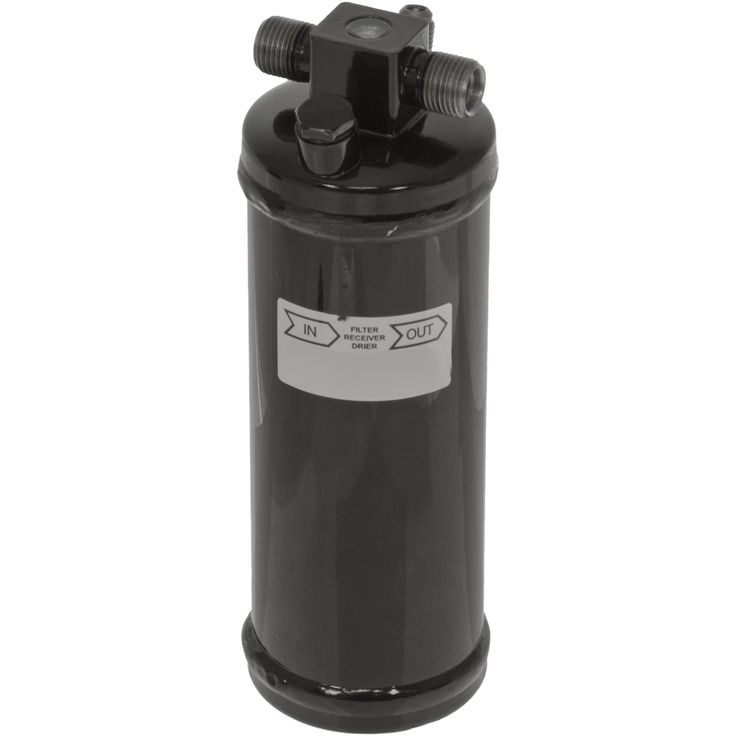
Freeze the technical product before the brand artwork
Record the internal part number, supplier part number, revision, application, OE references, inlet and outlet, port thread or connection, pressure switch or sensor provision, mounting, body construction, desiccant specification, included seals, and approved sample. Mark which cross-references are verified and which remain candidates.
Artwork should not begin from a generic product name. The product record must control the label, box, barcode, catalog listing, packing list, and claim file. Similar metal canisters can have different internal functions or connections.
Understand the moisture-exposure clock
Ask when the desiccant is installed, how the component is dried or conditioned, when ports are capped, when the unit enters barrier packaging, and which exposure limits apply during packing and installation. Define the reaction if a cap is missing, a bag is punctured, a seal is open, or storage conditions fall outside the approved range.
For a private label receiver drier, the exposure rule should be written for factory, warehouse, distributor, and installer. A simple “keep dry” statement is not enough when different teams need to decide whether a unit can be released.
Design packaging as a controlled barrier
| Packaging layer | Control purpose | Release check |
|---|---|---|
| Port caps or plugs | Protect openings and cleanliness | Correct type, seated, undamaged |
| Primary bag | Control moisture and contamination | Material, seal, puncture, opening rule |
| Unit carton | Protect product and carry identity | Part, revision, barcode, artwork |
| Master carton | Control quantity and handling | Count, label, strength, orientation |
| Pallet | Support transport and stacking | Pattern, stability, edge protection |
| Shipment record | Link lot to destination | PO, quantity, pallet, consignee |
Validate the primary barrier and seal
Specify bag material, thickness or performance basis, dimensions, sealing method, seal width, visual acceptance, leak or integrity check where required, and storage conditions. Consider sharp brackets, ports, and edges that can puncture the bag during transport.
Use production-intent parts and packing equipment. A hand-sealed sample may not represent the normal seal temperature, pressure, dwell, operator method, or line handling. Keep packaging validation linked to the product and pack revision.
Control caps, plugs, seals, and kit contents
Identify every cap, plug, O-ring, washer, bracket, sensor, instruction, and accessory included. Use a bill of pack with photographs, quantity, material or specification, and placement. Define whether service seals are new, preinstalled, bagged separately, or supplied by the installer.
A missing low-cost cap can compromise cleanliness or cause a wrong-part claim. Use poka-yoke, weight, vision, count, or a justified manual verification depending on risk and volume.
Set a defensible shelf-life rule
Shelf life should come from product, desiccant, packaging, storage, and validation evidence. Define the start event, storage temperature and humidity where applicable, unopened condition, inspection, expiry or review method, and rules after opening. Do not invent a universal shelf life for every receiver drier.
For a private label receiver drier, decide where the date or lot appears and how the warehouse interprets it. If the mark is a production date rather than an expiry date, make that distinction clear to prevent unnecessary scrapping or unsafe extension.
Build artwork from approved claims
Freeze brand name, logo, product name, part number, barcode, application wording, country-of-origin wording, warnings, installation notes, languages, contact details, recycling marks, and any required legal information. Assign an artwork revision and approval owner.
Avoid unsupported claims such as OEM, universal fit, lifetime, eco-friendly, or guaranteed protection. If the box references compatibility, maintain the source and application boundary in the catalog file.
Keep unit, carton, and digital identity synchronized
Compare the component marking, primary bag label, unit box, master carton, pallet label, ERP record, website, distributor file, invoice, and packing list. All should point to the same released part and revision. Record how superseded artwork and packaging are segregated or consumed.
Test barcode readability after printing, packing, transport simulation, and normal warehouse handling. A correct number that cannot be scanned reliably still creates picking and receiving risk.
Design warehouse rules for moisture-sensitive stock
Define receiving inspection, quarantine, storage environment, first-expire or first-in rules as applicable, carton-opening control, partial-carton handling, damaged-pack response, sample withdrawal, returns, and inventory checks. Warehouse staff need a visible rule for punctured bags and missing caps.
Do not place opened units back into saleable stock through an improvised reseal. If reconditioning is technically possible, it requires an approved process, equipment, record, and release authority.
Validate distribution damage and label durability
Test or justify vibration, impact, compression, humidity, stacking, abrasion, and route exposure for the intended pack. Inspect port protection, bag seal, carton shape, label adhesion, barcode readability, product marks, and included seals after testing.
A private label receiver drier pack should keep the component from becoming a load path and prevent brackets or ports from damaging neighboring units. Validate the pallet and consolidation pattern, not only the unit box.
Create an opening and installation instruction
Tell installers when to open the barrier, how to confirm part identity, how to protect ports, which seals to replace, how to orient the component, and what system service steps must follow the vehicle procedure. Include a warning against installing a unit with damaged protection or unknown exposure.
Keep instructions concise enough to use in a workshop. Link a QR code only to a controlled page with stable product identity and revision; a generic homepage should not replace essential instructions.
Prepare claim evidence before launch
Define fields for part number, lot, packaging revision, order, storage, bag and cap condition, installation date, vehicle, refrigerant system work, symptoms, photographs, returned part, and analysis. Separate packaging damage, wrong application, system contamination, installation exposure, and product cause.
Agree how returned moisture-sensitive components are contained and identified. The evidence should show the as-received condition before the unit is opened or cleaned for analysis.
Control private-label and supplier changes
Changes to desiccant, body, port, internal filter, welding or brazing, cap, bag, seal process, artwork, barcode, carton, included seals, production site, or responsible supplier can affect the program. Set notification, evidence, inventory separation, and reapproval rules.
Use the IATF 16949 overview for automotive quality-system context. The buyer and supplier still need a product- and packaging-specific control plan.
Discuss the program with ZUA
ZUA lists accumulators and filter driers within its current product categories. Buyers should confirm the exact receiver drier, production route, desiccant and packaging specification, validation responsibility, traceability, and change control before making private-label claims.
Review the broader ZUA product range and company capability information. Send product references, applications, artwork, forecast, packaging, destination, and evidence requirements through the ZUA contact page.
Run a first-article packaging approval
Before volume production, approve one complete pack built with released product, production caps, normal sealing equipment, final artwork, barcode, carton, included seals, and pallet method. Inspect identity, seal quality, puncture risk, component movement, label position, scanning, carton closure, and opening instructions.
Photograph the approved sequence and keep one reference pack or controlled image set for the line and warehouse. A private label receiver drier first article should record every deviation and confirm whether correction is required before printing or packing the remaining order.
Repeat the relevant checks when the component, bag, sealing equipment, artwork, carton, pack quantity, pallet pattern, site, or distribution route changes. Packaging approval belongs to a defined configuration, not to the brand name forever.
Frequently asked questions
Why does a receiver drier need moisture-barrier packaging?
The desiccant and internal cleanliness must remain controlled before installation; uncontrolled exposure can compromise the intended condition.
Can a punctured primary bag be taped and returned to stock?
Not without an approved technical disposition and reconditioning process. Quarantine the unit and follow the agreed reaction rule.
How should shelf life be defined?
Define the start event, packaging condition, storage environment, evidence basis, marking, review method, and post-opening rule.
What should appear on private-label artwork?
Use approved brand, part, barcode, application, origin, warnings, language, contact, and legal information with a controlled revision.
Should O-rings be included with every receiver drier?
Only when the approved product and service specification define them. Record exact kit contents and seal requirements.
How should opened cartons be managed?
Protect remaining sealed units, control quantity and identity, and do not treat opened primary barriers as saleable without approval.
Does ZUA list receiver driers?
ZUA lists accumulators and filter driers. Buyers should confirm the exact part, production route, packaging, and validation evidence.
What should a private-label inquiry include?
Send product references, applications, desiccant and pack requirements, artwork, barcode, forecast, destination, testing, and change expectations.
Build a private label receiver drier program around protection
A successful private label receiver drier program connects technical identity, moisture exposure, port protection, barrier packaging, shelf-life rules, artwork, kit contents, warehouse release, distribution validation, installation, claims, and change control. That discipline protects both the A/C system and the buyer's brand.